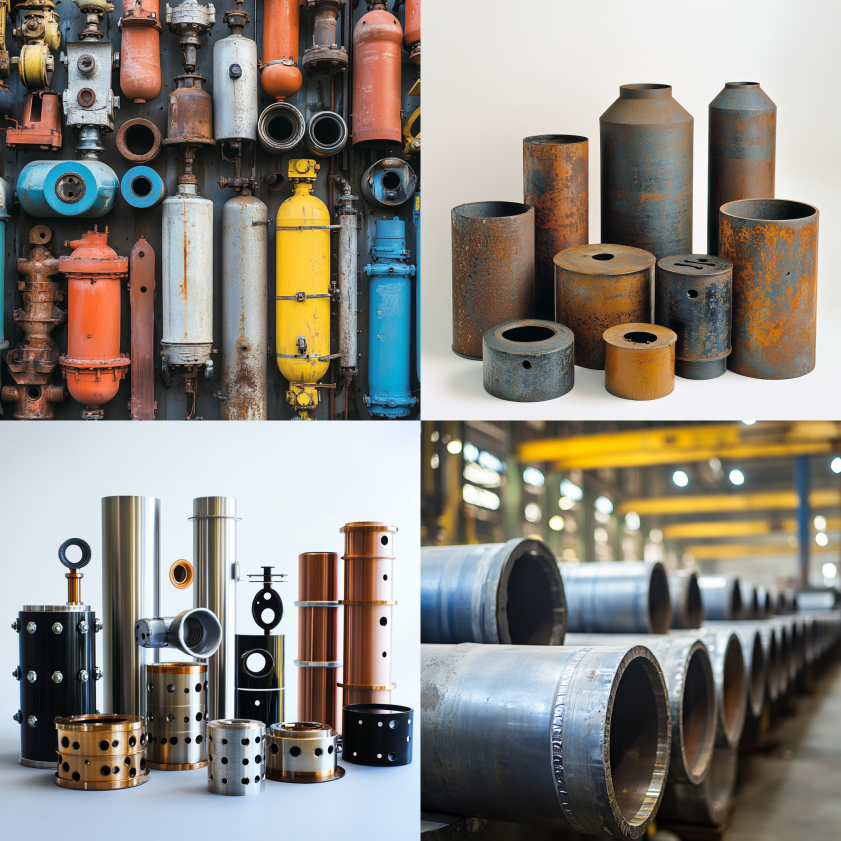
Corrosion poses a major threat to water pressure vessels, but selecting materials like stainless steel, duplex stainless, FRP, or coated carbon steel ensures long-term protection, safety, and reliability. Proper pressure vessel corrosion protection reduces maintenance costs, extends equipment lifespan, and supports regulatory compliance across industrial and municipal applications.
Selecting the Right Materials for Water Pressure Vessel Corrosion Protection
In industrial and municipal operations, few components are as vital and as vulnerable as water pressure vessels. These vessels form the backbone of systems ranging from water treatment plants and power generation facilities to manufacturing operations and municipal infrastructure. While their function is critical, their integrity is equally important. One of the biggest threats to vessel longevity and safety is corrosion.
Choosing the right corrosion-resistant materials for pressure vessels is not just a matter of durability; it impacts compliance, safety, cost-efficiency, and operational reliability. Effective pressure vessel corrosion protection strategies are essential for ensuring your equipment performs reliably for years to come. Let’s explore why corrosion resistance matters, the best materials for protection, and how to make informed choices for your applications.
Why Corrosion Resistance Matters in Water Pressure Vessels
The Role of Water Pressure Vessels in Industrial, Municipal, and Commercial Applications
Water pressure vessels stabilize and control fluid pressure in industrial, municipal, and commercial systems. They store water or process fluids under high pressure, supporting smooth operation across pumps, filtration systems, and chemical applications.
Whether in municipal water systems, power plants, chemical manufacturing, or food processing, these vessels must maintain structural integrity under fluctuating pressures, temperatures, and fluid types. Selecting the correct materials is crucial for pressure vessel corrosion protection.
The Constant Threat of Internal and External Corrosion
Water pressure vessels face both internal corrosion, caused by the fluids they contain, and external corrosion, due to environmental factors like humidity or industrial contaminants. Common corrosive agents include:
- Oxygen and salts in the water
- Acids or chemicals used in processing
- High humidity or coastal exposure
Unchecked corrosion can lead to:
- Pitting (localized corrosion)
- Crevice corrosion (from stagnant water in gaps)
- Galvanic corrosion (when dissimilar metals contact each other)
For a deeper understanding of vessel materials and chemical interactions, see Red River’s guide on pressure vessel materials.
Risks of Corrosion: Structural Failure, Leaks, Safety Hazards, and Maintenance Costs
When corrosion goes unnoticed or isn’t proactively addressed through pressure vessel corrosion protection measures the consequences can be severe:
- Structural failure: Pressure vessels can rupture under stress, especially if corrosion thins the walls or weakens welds
- Leaks: Even small leaks can result in water loss, downtime, and contamination
- Increased maintenance: Frequent inspections, patchwork repairs, and premature replacements add up quickly
- Safety risks: A failed pressure vessel can pose threats to workers, facilities, and the environment
All of this makes pressure vessel corrosion protection not just desirable, but absolutely essential in pressure vessel design.
Common Corrosion-Resistant Materials Used in Water Pressure Vessels
Selecting the right material is the first step in achieving effective pressure vessel corrosion protection. Material choice depends on application, environment, and budget.
Stainless Steel
Stainless steel is often considered the gold standard for pressure vessel corrosion protection.
- Contains 10.5%+ chromium, forming a protective passive layer
- Durable under pressure and heat
- Ideal for food-grade water systems, pharmaceuticals, and potable water tanks
- Red River provides custom stainless steel fabrication solutions for industrial needs
For example, Red River offers custom stainless steel fabrication tailored to industrial needs with superior pressure vessel corrosion protection.
Duplex Stainless Steel
Duplex stainless steel combines the strength of ferritic steel with corrosion resistance:
- Higher chromium, molybdenum, and nitrogen content
- Resistant to chloride stress corrosion cracking
- Suitable for high-pressure or saltwater environments
- Enables thinner walls and cost savings without sacrificing safety
Fiberglass Reinforced Plastic (FRP)
FRP is a lightweight, non-metallic composite:
- Resistant to acids and alkalis
- Non-conductive, eliminating rust and galvanic corrosion
- Perfect for wastewater treatment and corrosive chemical containment
Coated Carbon Steel
Carbon steel is strong and cost-effective but susceptible to corrosion. Protective coatings enhance durability:
- Epoxy, rubber, or zinc coatings provide pressure vessel corrosion protection
- Suitable for controlled environments or non-aggressive water systems
- Requires regular monitoring to maintain coating integrity
However, coating integrity must be monitored over time. Damage or wear in coatings can expose the underlying steel, compromising pressure vessel corrosion protection.
For best practices on maintaining coated and uncoated pressure vessels, consult Environmental Expert’s guide on maintenance.
Benefits of Using Corrosion-Resistant Materials
Choosing corrosion-resistant materials for your water pressure vessels brings long-term advantages that go far beyond basic pressure vessel corrosion protection.
Longevity: Extends Vessel Life and Lowers Lifecycle Costs
Materials like stainless steel and FRP extend vessel life, delaying replacements and lowering total ownership costs.
Safety: Prevents Catastrophic Failures and Protects Personnel
Effective corrosion-resistant materials help prevent catastrophic failures, keeping personnel and equipment safe.
Efficiency: Reduces Downtime, Increases Reliability
Vessels with proper protection require fewer repairs, increasing system reliability. Prefabrication and modular skid solutions can further minimize operational disruption.
Compliance: Meets Regulatory Standards for Health, Safety, and Environment
Corrosion-resistant materials help meet ASME, API, and OSHA standards, ensuring safety in potable water, industrial, and chemical applications.
Ensuring Effective Pressure Vessel Corrosion Protection
Investing in corrosion-resistant materials and protective strategies for water pressure vessels is essential for long-term operational reliability and safety. Selecting the right materials such as stainless steel, duplex stainless steel, FRP, or coated carbon steel directly influences vessel lifespan, maintenance needs, and compliance with regulations. By prioritizing proactive pressure vessel corrosion protection, organizations can minimize operational risks, reduce lifecycle costs, and ensure consistent performance across all industrial applications.
Need a reliable partner?
Red River specializes in the design and manufacturing of pressure vessels. We also fabricate related items such as prefabricated spools and skid packages.
Reach out to us today and experience the Red River difference. Where American-made products and American Values come together, we care more.
Frequently Asked Questions (FAQ)
1. What is the most effective pressure vessel corrosion protection method?
Duplex stainless steel provides superior pressure vessel corrosion protection.
2. How do I implement pressure vessel corrosion protection in existing systems?
Our pressure vessel fabrication team recommends optimal pressure vessel corrosion protection strategies.
3. What are the costs associated with pressure vessel corrosion protection?
Proper pressure vessel corrosion protection reduces long-term maintenance costs significantly.
4. How often should pressure vessel corrosion protection be inspected?
Regular monitoring ensures effective pressure vessel corrosion protection throughout lifecycle.
5. Can pressure vessel corrosion protection be retrofitted to older vessels?
Pressure vessel corrosion protection retrofitting through coatings requests a quote.
6. What industries benefit most from advanced pressure vessel corrosion protection?
Aggressive environments benefit significantly from advanced pressure vessel corrosion protection and learn secrets.
Key Takeaways
- Stainless steel, duplex stainless, FRP, and coated carbon steel each offer unique pressure vessel corrosion protection benefits depending on your application
- Long-term costs are reduced when pressure vessel corrosion protection is addressed proactively, not reactively
- Investing in pressure vessel corrosion protection is investing in safety, reliability, and operational success
- For specialized applications requiring advanced pressure vessel corrosion protection, consider our modular skids solutions that integrate multiple components into pre-tested, factory-assembled units.
Related Blog Post
Which Materials Suit Make-Up Water Service?
How Big Should Make-Up Water Tanks Be?
Make-Up Water Tanks: Design, Sizing, and Fabrication
When to Spec Equalization Tanks for Industrial Systems
How Do Equalization Tanks Balance Flow?
About Author