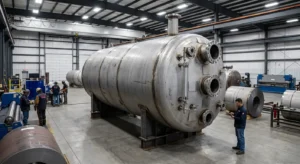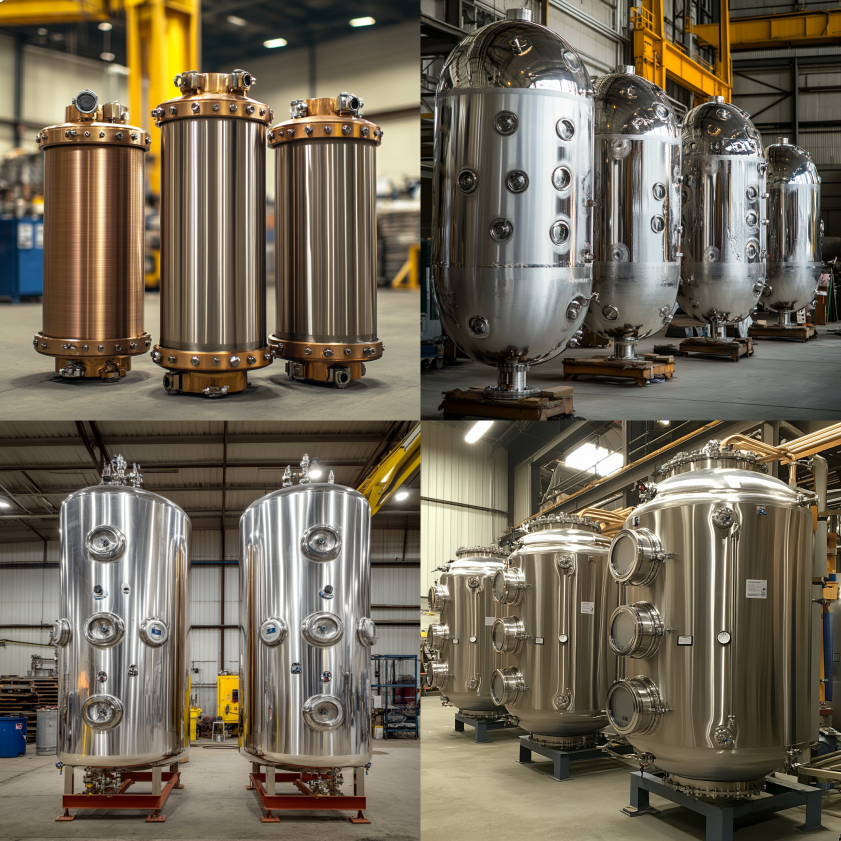
Fiberglass pressure vessels are lightweight, corrosion-resistant, and cost-effective for low-pressure, chemical environments, while stainless steel vessels excel in high-pressure, high-temperature, and sanitary applications. Choosing between fiberglass vs stainless steel pressure vessels depends on operational needs, budget, and regulatory requirements to ensure safety and long-term performance.
The Critical Decision of Pressure Vessel Material Selection
When it comes to choosing the right pressure vessel for your operation, material selection is a critical decision. Fiberglass vs stainless steel pressure vessels represents one of the most important comparisons in industrial equipment selection. These two materials are among the most commonly used for pressure vessels across a wide range of industries, including energy, water treatment, and manufacturing. Each has its own strengths and trade-offs depending on your use case, operating conditions, and budget.
In this comprehensive guide, we’ll explore the differences between fiberglass vs stainless steel pressure vessels. From performance characteristics to long-term cost implications, this article will help you make an informed decision aligned with industry standards and modern fabrication practices used in custom pressure vessel manufacturing.
Understanding Pressure Vessel Applications
What Are Pressure Vessels Used For?
A pressure vessel is a container designed to hold gases or liquids at pressures substantially different from ambient pressure. If you’re new to the concept, Red River’s guide on understanding pressure vessels definitions and thresholds provides helpful background.
Common applications include:
- Chemical processing: Storing or mixing reactive chemicals
- Oil and gas: Separators, scrubbers, and receivers (pressure vessels)
- Pharmaceutical: Hygienic processing tanks
- Food and beverage: Sanitary storage systems
- Water treatment: Corrosion-resistant filtration systems, including water tanks used as pressure vessels
Pressure vessels must withstand internal pressure, temperature fluctuations, corrosion, and mechanical stress. These demands are at the core of the fiberglass vs stainless steel pressure vessels debate.
Why Material Selection Matters
Material choice directly affects safety, lifespan, compliance, and total cost of ownership. As outlined in Red River’s resource on choosing the right material for pressure vessel fabrication, fiberglass and stainless steel respond very differently to corrosion, pressure, and heat.
Understanding these differences is essential before engaging a fabrication partner or requesting a custom quote.
Fiberglass Pressure Vessels: Comprehensive Analysis
Advantages of Fiberglass Pressure Vessels
Superior Corrosion Resistance
Fiberglass-reinforced plastic (FRP) pressure vessels are highly resistant to acids, salts, and aggressive chemicals. This makes them a strong option for chemical processing and wastewater applications where corrosion is a primary concern. In highly corrosive environments, fiberglass often outperforms metal vessels discussed in pressure vessel corrosion considerations.
Lightweight Structure Benefits
Fiberglass vessels weigh significantly less than metal alternatives, reducing transportation, installation, and structural support costs. This advantage is particularly beneficial in prefabricated systems or modular skids used in remote or space-constrained facilities.
Lower Upfront Investment
For low-pressure applications, fiberglass vessels typically cost less than stainless steel. Budget-conscious projects often combine fiberglass vessels with prefabrication services to further control costs.
Non-Conductive Safety Properties
Since fiberglass vessels are non-conductive, they’re favored in electrically sensitive environments where grounding poses safety issues when considering fiberglass vs stainless steel pressure vessels.
Stainless Steel Pressure Vessels: Detailed Evaluation
Advantages of Stainless Steel Pressure Vessels
Exceptional Mechanical Properties
Stainless steel pressure vessels offer outstanding strength, fatigue resistance, and durability. These qualities make them ideal for high-pressure gas systems, compressed air storage, and industrial processes, as described in understanding compressed air tanks as pressure vessels.
Superior Operating Range
Stainless steel vessels operate reliably across extreme pressure and temperature ranges, including steam and cryogenic environments. This capability is critical in power generation and advanced process industries, as outlined in pressure vessels in the power generation industry
Long-Term Investment Value
While stainless steel has a higher upfront cost, it often delivers superior ROI due to longevity and lower maintenance requirements. Many ASME-rated vessels last 20+ years when built under strict quality assurance standards.
Sanitary Applications Excellence
Stainless steel is the industry standard for food, beverage, biotech, and pharmaceutical applications due to its cleanability and compliance with regulatory codes. These requirements often align with ASME-certified pressure vessels and FDA expectations.
Strategic Selection Guide for Pressure Vessels
Application-Based Decision Making
Choosing between fiberglass vs stainless steel pressure vessels starts with your application:
- Corrosive chemical exposure: Fiberglass vessels are often preferred
- High pressure or high temperature: Stainless steel is the safer choice
Understanding vessel purpose is essential. Red River’s article on the purpose of a pressure vessel offers additional clarity.
Chemical exposure considerations: Fiberglass pressure vessels are usually better for settings involving aggressive or acidic chemicals that would challenge other pressure vessel materials in fiberglass vs stainless steel pressure vessels comparisons.
High-pressure/temperature conditions: Stainless steel pressure vessels are more suitable for steam, high-pressure gas, or thermal cycling applications, where fiberglass pressure vessels would fail in fiberglass vs stainless steel pressure vessels evaluations.
Financial Analysis
Fiberglass vessels can be ideal for short-term or low-stress applications with limited capital. Stainless steel vessels, however, typically provide better lifetime value for mission-critical systems. For complex projects, integrating vessels into custom metal fabrication solutions can further optimize cost and performance.
Regulatory Compliance
Many industries require compliance with ASME Boiler and Pressure Vessel Code, sanitation standards, or safety regulations. Stainless steel vessels are more commonly used in regulated environments requiring documented safety and compliance in pressure vessel design.
Fiberglass vs Stainless Steel Pressure Vessels: Making the Right Choice
The decision between fiberglass vs stainless steel pressure vessels depends on your specific operational needs. Fiberglass vessels excel in corrosive, low-pressure environments with budget constraints. Stainless steel vessels deliver superior performance in high-pressure, high-temperature, or sanitary applications. Consider the total cost of ownership, not just upfront investment, when making your fiberglass vs stainless steel pressure vessels selection.
When making this critical decision, it’s essential to work with experienced professionals who understand vessel fabrication and can guide you through the selection process. Additionally, consider whether your application might benefit from prefabricated solutions or modular skids to streamline installation and reduce costs.
Which is more corrosion-resistant, fiberglass or stainless steel? Fiberglass vessels offer superior corrosion resistance in chemical applications, especially with acidic or saline solutions, representing a key advantage in fiberglass vs stainless steel pressure vessels for chemical processing environments.
Need a reliable partner?
Red River specializes in the design and manufacturing of pressure vessels. We also fabricate related items such as prefabricated spools and skid packages.
Reach out to us today and experience the Red River difference. Where American-made products and American Values come together, we care more.
Frequently Asked Questions
1. Are fiberglass pressure vessels ASME-certified?
Not all fiberglass vessels are ASME-certified; ensure suppliers verify compliance for regulated industrial applications.
2. Can fiberglass pressure vessels handle high pressure?
Fiberglass vessels suit pressures up to 150 psi; stainless steel handles significantly higher pressures reliably.
3. Which pressure vessel type is better for outdoor use?
Stainless steel vessels resist UV and moisture, outperforming fiberglass for durable, long-lasting outdoor applications.
4. What industries prefer stainless steel pressure vessels?
Industries requiring sterility, strength, or compliance prefer stainless steel vessels over fiberglass for robustness.
5. Are fiberglass pressure vessels cheaper to maintain?
Fiberglass vessels need less maintenance, but replacement costs may exceed repairable stainless steel long-term.
6. What’s the lifespan of each type of pressure vessel?
Stainless steel vessels last 20+ years; fiberglass typically lasts 10–15 years under stress conditions.
7. Can I retrofit or repair these pressure vessels?
Stainless steel vessels can be welded; fiberglass often requires resin repair or full replacement instead.
Key Takeaways
- Fiberglass pressure vessels suit corrosive, low-pressure environments, offering lightweight, nonconductive, lower-cost performance.
- Stainless steel pressure vessels offer durability, strength, and sanitation, excelling in high-pressure applications.
- Choose fiberglass or stainless steel vessels based on chemistry, pressure, temperature, budget, and regulations.
- Consider total ownership costs, including maintenance, repairs, and replacements, not just the initial vessel price.
- For expert guidance on your specific pressure vessel needs, explore Red River’s comprehensive capabilities and solutions, or contact our team to discuss your project requirements.
Related Blog Post
Which Materials Suit Make-Up Water Service?
How Big Should Make-Up Water Tanks Be?
Make-Up Water Tanks: Design, Sizing, and Fabrication
When to Spec Equalization Tanks for Industrial Systems