Water pressure vessel failures are mainly caused by corrosion, fatigue, manufacturing defects, and over-pressurization, posing serious risks to safety and system performance. Preventive measures like proper material selection, regular inspections, robust pressure relief systems, and adherence to ASME standards significantly reduce failure risks and extend vessel lifespan.
Understanding and Preventing Critical Pressure Vessel Failures in Water Applications
Water pressure vessel failures in water applications pose serious risks, including system shutdowns, contamination, and catastrophic ruptures. The most common water pressure vessel failures result from corrosion, fatigue cracking, manufacturing defects, over-pressurization, and seal degradation.
To prevent water pressure vessel failures, implement regular inspection protocols such as monthly visual checks and annual thickness measurements. Choose appropriate materials like stainless steel 316L for chlorinated water or FRP for highly corrosive environments. Failures can also be mitigated through proper pressure relief systems with redundant valves and monitoring capabilities.
Following ASME standards ensures vessels meet rigorous safety requirements. Partner with certified manufacturers like Red River for quality fabrication and proper installation.
Preventive maintenance costs significantly less than addressing failures after they occur. By addressing potential issues early through proper material selection, regular inspections, and adherence to industry standards, you can extend vessel lifespan and maintain safe, efficient water treatment operations.
Most Common Pressure Vessel Failures in Water Applications
1. Corrosion and Rust
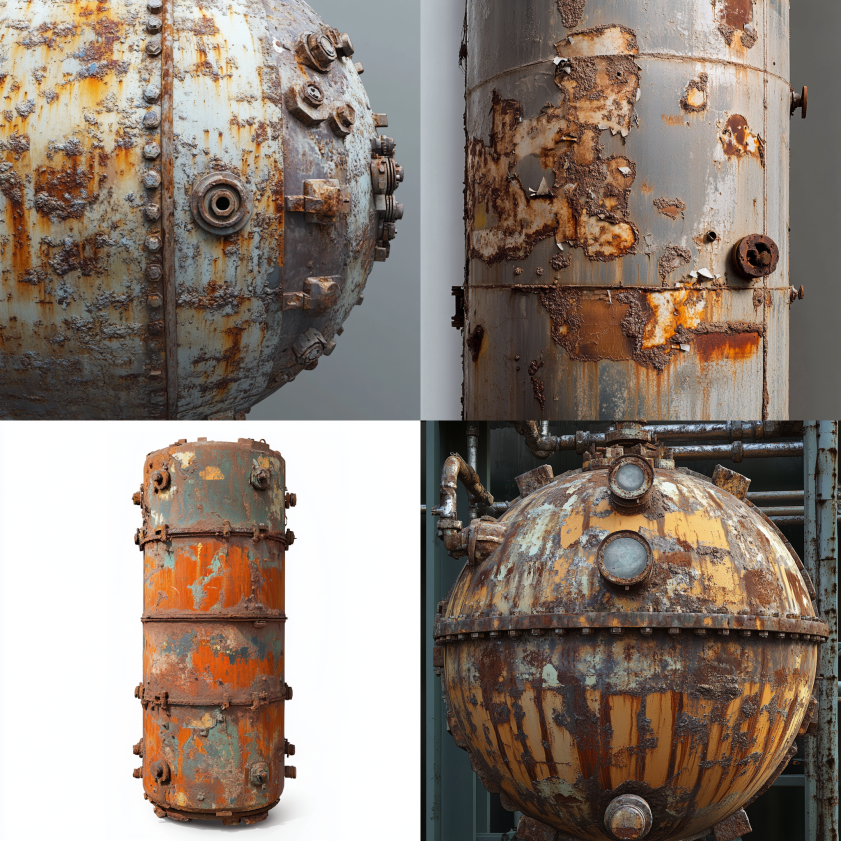
Corrosion remains the leading cause of water pressure vessel failures. Internal corrosion typically results from untreated or improperly balanced water, high chloride content, and low pH levels. External corrosion stems from environmental humidity, water leaks, and inadequate protective coatings.
As corrosion progresses, vessel walls thin, compromising structural integrity. In carbon steel vessels, wall loss can occur at rates of 0.1–0.5mm per year in aggressive environments. Advanced corrosion creates pinhole leaks that worsen into larger pressure vessel failures if left unaddressed.
Different water chemistries produce varying corrosion mechanisms. Understanding these interactions helps in selecting appropriate materials and protective measures to prevent failures. The economic impact of corrosion-related failures extends beyond replacement costs, including system downtime and regulatory violations.
2. Fatigue and Stress Cracking
Fatigue results from pressure fluctuations. Repeated expansion and contraction cycles create microscopic cracks, typically originating at weld joints or stress concentration points. Without detection, these cracks propagate until catastrophic pressure vessel failures occur.
Municipal water systems with frequent pressure changes are particularly vulnerable. Cycle counters and pressure monitoring help quantify fatigue exposure and anticipate potential failures.
Thermal cycling further compounds stress, especially in hot water systems. The interface between different materials creates vulnerable areas prone to stress corrosion cracking (SCC), even in stainless steel vessels.
3. Manufacturing Defects
Improper welds and fabrication issues contribute to failures. Common defects include incomplete weld penetration, porosity, slag inclusion, and misalignment. These flaws deteriorate under operating conditions.
ASME certification ensures proper inspection and testing. Non-destructive examination methods like radiographic testing, ultrasonic inspection, and dye penetrant testing identify hidden defects. Proper documentation of fabrication processes provides valuable reference information for preventing future failures.
Learn more about Red River’s prefabrication capabilities and modular skids.
4. Over-Pressurization
Over-pressurization from pump malfunctions, failed relief valves, blocked discharge lines, or operational errors can cause violent ruptures. High-pressure systems require properly sized relief valves and pressure monitoring. Digital monitoring with automated shutdown provides additional protection.
Water hammer effects from sudden valve closures create pressure surges. Surge tanks and slow-closing valves mitigate these risks.
5. Seal and Gasket Failures
Compromised sealing components frequently lead to water leakage, pressure loss, and contamination. Temperature fluctuations, chemical exposure, and improper installation contribute to seal degradation. Selecting appropriate sealing materials compatible with specific water chemistry extends service life.
Prevention Strategies for Pressure Vessel Failures in Water Applications
Regular Maintenance and Inspections
Systematic inspection protocols prevent failures. A comprehensive program includes monthly visual inspections, quarterly pressure testing, and annual ultrasonic thickness measurements.
Early detection significantly reduces risks and extends vessel lifespan. Documentation of inspection findings helps identify degradation patterns before they become critical.
Material Selection for Water Applications
Choosing appropriate materials prevents pressure vessel failures in water applications. Stainless steel 316L works well for chlorinated or brackish water, while fiberglass-reinforced plastic (FRP) excels in corrosive environments. Epoxy-lined carbon steel offers cost-effective protection for many applications.
Material selection must align with specific water chemistry, pH levels, and operating temperatures. Our pressure vessels are manufactured with optimal materials for each specific application.
The initial cost of corrosion-resistant materials is typically offset by extended service life and reduced maintenance requirements.
Implementing Pressure Relief Systems
Effective pressure control prevents catastrophic pressure vessel failures in water applications. Key components include redundant pressure relief valves, rupture discs at strategic locations, and digital pressure monitoring systems.
These safeguards provide critical protection against over-pressurization events. Our pulsation dampeners can also help manage pressure fluctuations in water systems.
Modern systems incorporate automated alerts that notify operators of abnormal pressure conditions before they reach critical levels, allowing for preventive action.
Adhering to ASME and Industry Standards
Compliance with established codes prevents pressure vessel failures in water applications. ASME Section VIII establishes design parameters, while certified fabrication processes and documented testing procedures ensure quality construction.
Working with ASME-certified manufacturers ensures vessels meet rigorous safety and performance standards. Learn about our commitment to quality through our solutions page.
Regulatory compliance isn’t just about legal requirements it represents decades of engineering knowledge developed to prevent failures and protect users.
Final Thoughts
Pressure vessel failures in water applications are largely preventable through proper understanding of failure mechanisms and implementation of preventive measures. By addressing corrosion, fatigue, manufacturing quality, pressure control, and material selection, operators can significantly reduce failure risks.
Investing in quality materials, regular maintenance, and partnerships with reputable manufacturers ensures both safety and long-term performance of pressure vessels in water applications. For comprehensive pressure vessel solutions, contact us or request a quote.
The cost of prevention is invariably lower than the cost of failure, making proactive maintenance and quality equipment essential for water treatment systems.
Preventing Pressure Vessel Failures in Water Applications
Pressure vessel failures in water applications can be prevented through regular inspections, appropriate material selection, and robust pressure management systems. Following ASME standards and implementing preventive maintenance significantly reduces risks. The investment in prevention is always less costly than addressing failures after they occur.
Need a reliable partner?
Red River specializes in the design and manufacturing of pressure vessels. We also fabricate related items such as prefabricated spools and skid packages.
Reach out to us today and experience the Red River difference. Where American-made products and American Values come together, we care more.
Frequently Asked Questions
1. What signs indicate potential pressure vessel failures in water applications?
Look for visible corrosion, external leaks, unusual noises, pressure fluctuations, and valve malfunctions.
2. How frequently should water system pressure vessels be inspected?
Conduct visual inspections monthly, pressure tests quarterly, and comprehensive evaluations annually.
3. Can pressure vessels that have experienced partial failures in water applications be repaired?
Minor issues like surface corrosion may be repairable, but significant damage typically requires vessel replacement.
4. What materials best resist pressure vessel failures in water applications?
Stainless steel 316L, FRP, and properly lined carbon steel offer excellent corrosion resistance for water applications.
5. What standards govern prevention of pressure vessel failures in water applications?
The ASME Boiler and Pressure Vessel Code provides comprehensive guidelines for design, manufacturing, and testing.
Key Takeaways
- Water pressure vessel failures in water applications most commonly result from corrosion, fatigue, manufacturing defects, and over-pressurization
- Regular inspection protocols significantly reduce water pressure vessel failures risks
- Material selection must align with specific water chemistry and operating conditions to prevent water pressure vessel failures
- ASME certification ensures vessels meet rigorous safety standards and resist water pressure vessel failures
- Partnering with experienced manufacturers like Red River provides long-term reliability in preventing water pressure vessel failures in water applications.
Related Blog Post
Can Condensate Storage Improve Reliability?
Where Do Condensate Tanks Fit in a Steam System?
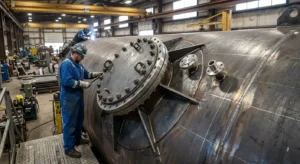
Which Nozzles Simplify Maintenance on Pressure Vessels?
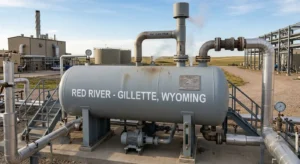
How to Vent Condensate Tanks in Steam Systems