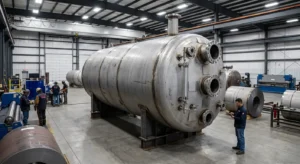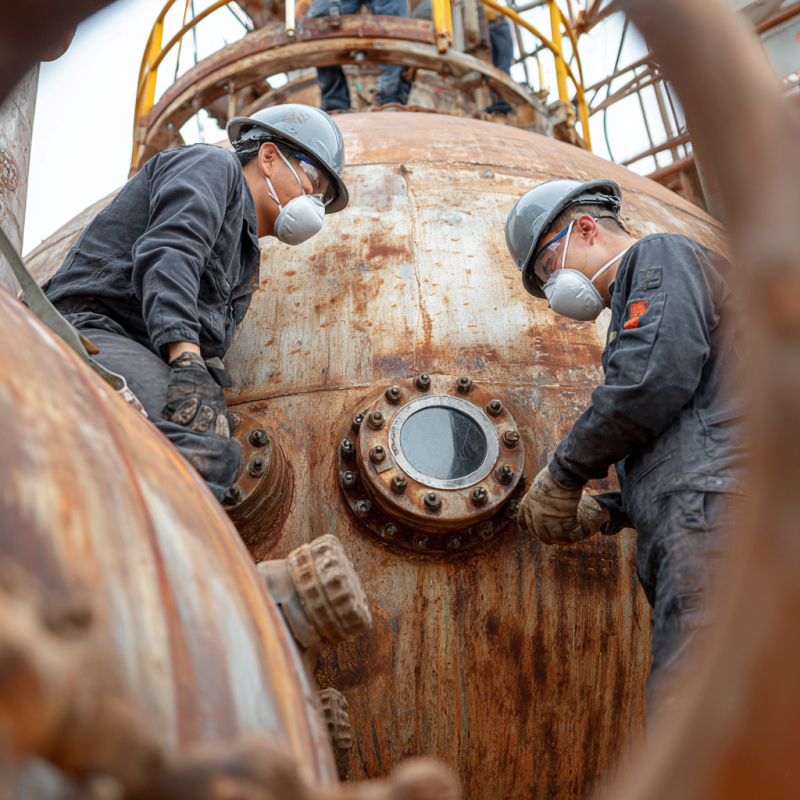
Pressure vessels typically get external inspections yearly (more often in harsh conditions) and internal inspections every few years since they require shutdown. The exact schedule depends on vessel design/materials, operating intensity, environment, and local codes use ASME-certified partners and a digital log to stay compliant and reduce downtime.
Understanding How Often Pressure Vessels Should Be Inspected
If you find yourself wondering how often pressure vessels should be inspected, you’re asking a critical question that impacts safety, compliance, and long-term cost control. Pressure vessels are essential assets across industries, and maintaining them properly helps prevent failures, protect personnel, and ensure regulatory compliance. As discussed throughout the Red River Team’s extensive knowledge base on pressure vessels, inspections are a cornerstone of responsible ownership.
According to Red River, a trusted provider of ASME-certified pressure vessels, staying ahead of inspection schedules not only reduces unplanned downtime but also extends equipment lifespan. A proactive inspection program supports both operational efficiency and workplace safety.
How often should pressure vessels be inspected
Most inspection requirements are governed by recognized standards and codes, including ASME and jurisdictional regulations. While annual external inspections are common, the exact frequency depends on several variables outlined in Red River’s comprehensive guide to pressure vessel inspection.
Key considerations include:
- Vessel type and operating pressure (see definitions and thresholds)
- Exposure to corrosive media or water (water presence considerations)
- Thermal cycling and operational stress
- Applicable industry and regional regulations
Typically, external inspections occur every 12 months, while internal inspections may be required every 3–5 years. Internal inspections often coincide with planned shutdowns, as they may require taking the vessel out of service. Facilities operating in power generation, for example, frequently coordinate inspections with turbine maintenance cycles (pressure vessels in power generation).
Factors affecting inspection schedules
Inspection frequency is not one-size-fits-all. A few key variables influence how often your pressure vessels should be checked:
Design and materials
Material selection plays a major role in durability. Stainless steel or specialty alloys can provide superior corrosion resistance compared to carbon steel. Red River explores these material considerations in detail in its guide on choosing the right material for pressure vessel fabrication and choosing the best steel for pressure vessels.
Working environment
Vessels exposed to humidity, chemicals, or water systems often require more frequent inspections. Applications such as compressed air tanks and air receiver tanks are especially sensitive to moisture-related degradation.
Operational intensity
High-pressure cycles, fluctuating temperatures, and continuous operation accelerate wear. Systems such as water heaters and domestic water systems often fall under stricter inspection scrutiny due to frequent use.
Evolving regulations
Inspection standards change as technology and research advance. Red River emphasizes the importance of aligning inspection programs with current best practices in safety and compliance in pressure vessel design and quality assurance in custom pressure tank manufacturing.
Tips to simplify inspections
The inspection process can feel daunting, but the good news is that this is easier than it sounds when you plan:
Integrate prefabrication
Prefabricated vessels and systems often include standardized access points and inspection-friendly designs. Red River explains these advantages in its overview of prefabrication and modular skids.
Combine maintenance tasks
Coordinating inspections with fabrication or repair work, such as welding or retrofits, reduces downtime. Understanding the broader fabrication process helps teams plan inspections more efficiently.
Work with certified partners
Collaborating with experienced manufacturers ensures proper documentation, traceability, and compliance. Red River’s expertise in pressure vessel manufacturing and metal fabrication supports smoother inspection and repair cycles.
Embrace a digital maintenance log
Tracking inspection history digitally helps forecast future inspections and avoid compliance gaps. Many organizations align this approach with broader asset management strategies discussed in Red River’s guide to metal fabrication.
Stay engaged with safety improvements
Red River emphasizes continuous improvement and a safe work culture. Encourage your team to report any anomalies immediately. Early detection can save you a headache later.
How Often Should Pressure Vessels Be Inspected
At the end of the day, the optimal inspection schedule varies for each operation. Industry codes typically suggest an annual external check, along with a more in-depth inspection on a multi-year basis. By pairing these guidelines with your vessel’s design specifications and usage patterns, you can remain compliant while minimizing costly surprises. Regular communication with reliable manufacturing and maintenance partners supports a proactive approach that protects your team’s safety and keeps production running smoothly. Understanding how often pressure vessels should be inspected also helps organizations plan maintenance budgets, reduce downtime, and extend the overall lifespan of their equipment.
Partner With Experts to Schedule Your Pressure Vessel Inspections Today
Don’t risk compliance issues or safety hazards. Work with trusted, ASME-certified professionals who know exactly how often pressure vessels should be inspected to match your industry’s needs.
Contact Red River now to protect your operations and extend your equipment’s life.
Frequently Asked Questions
1. What is pressure vessel manufacturing inspection?
It is the process of verifying that a pressure vessel is designed, fabricated, and tested according to safety and quality standards like ASME codes. Inspectors check materials, welds, and pressure tests to ensure the vessel can safely handle its intended operating conditions.
2. How do you inspect a pressure vessel?
While a basic external check can be done in-house, internal inspections typically require specialized training and equipment. Consider working with pressure vessel manufacturing inspection experts for a thorough review.
3. What is an ASME pressure vessel?
An ASME pressure vessel has been designed, built, and tested in compliance with the ASME code. These vessels meet rigorous safety and performance requirements, making them widely accepted across industries.
4. What are ASME pressure vessel manufacturers?
They are companies certified by the American Society of Mechanical Engineers (ASME) to design and build vessels that meet ASME Boiler and Pressure Vessel Code standards. Working with them ensures compliance, quality, and easier inspections.
5. What is a stainless steel pressure vessel?
It is a vessel made from stainless steel, which provides high resistance to corrosion, extreme temperatures, and chemicals. Stainless steel vessels often require less frequent maintenance compared to carbon steel options.
6. What materials are used in pressure vessel fabrication?
Common materials include carbon steel, stainless steel, and specialized alloys. The choice depends on the vessel’s operating pressure, temperature, and the type of substances it will store or process.
Key takeaways
- Annual external checks are common but might need adjustment for harsh conditions.
- Internal inspections often occur every few years, depending on usage.
- Certified partners, especially ASME-approved manufacturers, streamline compliance.
- A well-maintained digital log reduces guesswork and helps you stay on schedule.
- Prefabricated vessels cut back on inspection time and potential on-site risks.
Related Blog Post
Which Materials Suit Make-Up Water Service?
How Big Should Make-Up Water Tanks Be?
Make-Up Water Tanks: Design, Sizing, and Fabrication
When to Spec Equalization Tanks for Industrial Systems