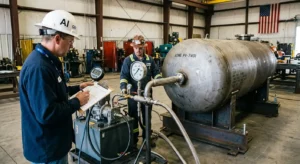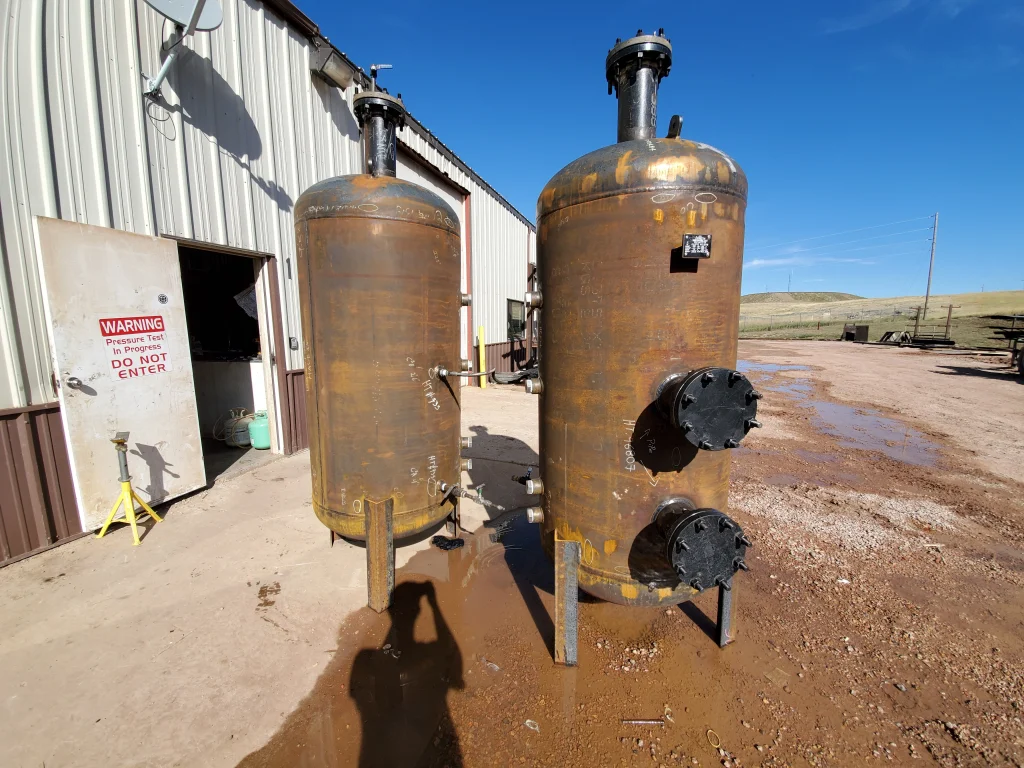
Pressure vessel failures occur through mechanisms such as over-pressurization, corrosion, fatigue, creep, and brittle or ductile fracture, often driven by material limits, operating conditions, and maintenance gaps. Understanding these failure types and implementing proper design, inspection, and maintenance practices is critical to preventing catastrophic accidents and extending vessel life
Introduction to types of failures in Pressure Vessels
Pressure vessels play an indispensable role in countless industries around the world. From petrochemical plants and power generation stations to pharmaceutical factories and food processing units, these closed containers are designed to hold gases or liquids at a pressure substantially different from the ambient pressure. Their primary function may seem straightforward, but the science behind their design, manufacturing, and operation is anything but simple. Ensuring the safety and efficiency of pressure vessels isn’t just about following design specifications or using the right materials; it’s also about understanding the myriad ways they can fail. Recognizing the early signs of these failure modes and understanding their causes can not only prevent potential disasters but also optimize performance and prolong vessel life. In this article, we’ll explore the different types of pressure vessel failures, delving deep into their causes, and discussing strategies for prevention.
Brief Background on Pressure Vessels
At their core, pressure vessels are industrial containers designed to hold liquids or gases under varying pressures, often far beyond standard atmospheric conditions. While they may seem simple in shape typically cylindrical, spherical, or a combination their design requires sophisticated engineering, material science, and physics. They must resist internal and external forces, withstand temperature changes, and maintain structural integrity for extended periods, often in challenging industrial environments.
Pressure vessels are indispensable across modern industry. Despite their prevalence, the catastrophic consequences of failure make inspection and maintenance essential. Engineers must account for stress distributions, fatigue life, corrosion, and thermal expansion to ensure vessels operate safely under all anticipated conditions.
Definition and Primary Functions
A pressure vessel can be defined as a closed container designed to safely contain substances under pressure. This pressure may be internally generated, such as by compressed gases or chemical reactions, or externally applied, such as underwater or in pressurized systems. The precise purpose of a vessel often dictates its design, material selection, and maintenance protocols.
Primary functions include:
- Heat Exchange: Many pressure vessels function as heat exchangers, transferring thermal energy between fluids at high pressures.
- Separation of Components: In the chemical and petrochemical industries, pressure vessels separate substances, such as oil, gas, and water, under controlled conditions.
- Storage Containers: They act as storage tanks for gases like oxygen, nitrogen, hydrogen, and liquefied natural gas, which require containment at high pressures.
- Chemical Reactors: In industrial chemistry, vessels provide controlled environments for reactions, often under elevated pressures and temperatures, to improve efficiency and yield.
The design of pressure vessels ensures that these functions are achieved safely, with minimal risk of leakage, rupture, or contamination.
Materials Used
Selecting the right material for a pressure vessel fabrication is a balancing act, taking into account mechanical strength, corrosion resistance, thermal conductivity, and cost. The material must withstand operational conditions without failure over its intended lifespan.
Common materials include:
- Carbon Steel: Widely used due to its affordability and strength; suitable for moderate pressure and temperature applications.
- Stainless Steel: Offers excellent corrosion resistance, making it ideal for handling chemical, food, or moisture-prone environments and aggressive agents.
- Alloys (Hastelloy, Inconel): Specialized alloys are used in extreme conditions, such as high temperatures, highly corrosive media, or nuclear applications. They resist oxidation, cracking, and chemical attack.
Material choice is critical not only for operational performance but also for safety. For instance, using a low-grade steel in a high-temperature chemical reactor could result in deformation, cracking, or catastrophic failure.
Industries of Application
Pressure vessels are found in virtually every sector that involves fluid storage, heating, or chemical processing. Key industries include:
- Oil and Gas: For refining, distillation, and storage of hydrocarbons under controlled pressures.
- Chemical Industry: For conducting reactions under pressure, mixing chemicals safely, and separating components.
- Power Plants: Essential in steam generation systems, boilers, and high-pressure water systems.
- Pharmaceuticals: Used in sterilization, fermentation, and chemical processing.
- Food and Beverage: In breweries, dairy processing, and carbonation systems.
- Refrigeration Systems: To contain refrigerants under pressure for cooling purposes.
- Aerospace: Critical in fuel tanks, propulsion systems, and pressurized cabins.
The versatility of pressure vessels is a testament to their robust engineering and adaptability to varied operational environments.
Primary Causes of Pressure Vessel Failures
Despite their careful design and manufacturing, pressure vessels remain vulnerable to failures due to extreme operational conditions, material limitations, and human error. Understanding the root causes is crucial for risk mitigation and ensuring safe operation.
Excessive Internal or External Pressures
Description: Pressure vessels are designed to operate within defined pressure ranges. Deviations from these limits, whether due to overfilling, blocked outlets, or environmental pressures, can compromise structural integrity.
Effects: Over-pressurization may cause permanent deformation, rupture, or catastrophic explosions, endangering personnel and property.
Corrosive Environments
Description: Corrosion arises from internal substances or external environmental factors like moisture, chemicals, or oxygen.
Effects: Corrosion weakens vessel walls, thins materials, and can ultimately cause leaks or structural failure.
Material Defects or Degradation
Description: Even high-quality materials can have microscopic defects, inclusions, or impurities. Over time, wear, fatigue, or chemical attack can degrade the material.
Effects: Reduced structural strength increases vulnerability to cracking, leaks, and complete failure.
Improper Operation or Maintenance
Description: Operator errors such as incorrect heating or cooling, combined with infrequent inspections, can compromise safety.
Effects: Undetected wear and tear reduces lifespan and increases failure risk.
Thermal Stresses
Description: Rapid temperature changes or operation outside designed temperature ranges can induce significant stress in the material.
Effects: Can lead to fatigue, cracking, and weakening of the vessel structure.
Poor Design or Construction
Description: Incorrect material selection, design flaws, or substandard construction techniques can make a vessel unsafe from the start.
Effects: Increased likelihood of early failures, leaks, or structural issues.
Different Types of Failure in Pressure Vessels
Brittle Fracture
Brittle fracture is abrupt, with little or no warning, making it particularly dangerous.
Definition and Characteristics:
Brittle fracture occurs when a material breaks without significant plastic deformation, “snapping” rather than stretching. Fracture surfaces are sharp, shiny, or cleaved. Failure can be explosive.
Causes:
- Low Temperature: Materials lose ductility in cold environments.
- Material Flaws: Voids or inclusions concentrate stress, increasing failure risk.
- High-Impact Loads: Sudden shocks can trigger fracture.
- Residual Stresses: Stresses left over from manufacturing processes can exacerbate brittleness.
Prevention Strategies:
- Select ductile materials suitable for operating conditions.
- Perform regular inspections for defects.
- Avoid rapid temperature changes.
- Install safeguards against impacts.
- Apply post-weld heat treatments to relieve residual stresses.
Ductile Fracture
Ductile fracture involves significant plastic deformation, often showing warning signs before failure.
Definition and Characteristics:
Material stretches or “necks” before breaking. Fracture surfaces are dull or fibrous, with visible deformation around the fracture site.
Causes:
- Excessive stress exceeding yield strength.
- High strain rates.
- Thermal stresses combined with mechanical loading.
- Material imperfections under prolonged stress.
Prevention Strategies:
- Use materials with high ductility.
- Monitor operational parameters to maintain stress within limits.
- Conduct regular inspections for deformation.
- Apply stress-relief treatments such as annealing.
- Train operators on gradual loading and operational safety.
Creep Failure
Creep is the slow, time-dependent deformation under stress, particularly at high temperatures.
Definition and Characteristics:
- Primary creep: Slow initial deformation.
- Secondary creep: Steady-state deformation.
- Tertiary creep: Accelerated deformation leading to failure.
Causes:
- High-temperature exposure.
- Constant applied stress.
- Material microstructure and alloy properties.
Effects:
- Gradual distortion of the vessel.
- Reduced material strength and ductility.
- Microstructural evolution, such as voids or grain boundary sliding.
Prevention Strategies:
- Use high-temperature creep-resistant materials.
- Operate below material stress and temperature limits.
- Conduct continuous monitoring and periodic inspections.
- Apply life assessment techniques like rupture life prediction.
Fatigue Failure
Fatigue results from repeated or cyclic stresses, gradually initiating and propagating cracks.
Definition and Characteristics:
- Progressive, localized damage under cyclic loading.
- Crack initiation, propagation, and eventual sudden fracture.
- Fracture surfaces show “beach marks” indicating cyclic loading.
Causes:
- Fluctuating stresses below material yield strength.
- Material defects serving as crack initiation sites.
- Corrosive environments accelerating crack growth.
- Thermal cycling causing fatigue.
Effects:
- Microscopic cracks form and grow over time.
- Potential sudden, catastrophic fracture.
Prevention Strategies:
- Design vessels to minimize stress concentrators.
- Choose high fatigue-resistance materials.
- Monitor operational parameters to minimize stress fluctuations.
- Perform routine inspections and apply surface treatments.
Corrosion-Induced Failures
Corrosion weakens materials silently, often unnoticed until failure occurs.
Definition and Characteristics:
- Electrochemical degradation due to environmental interaction.
- Manifestations include pitting, surface corrosion, intergranular attack, and stress-corrosion cracking.
Types and Causes:
- General corrosion: Uniform thinning.
- Pitting corrosion: Localized cavities caused by aggressive ions.
- Galvanic corrosion: Dissimilar metals accelerate corrosion.
- Intergranular corrosion: Grain boundary attacks.
- Stress-corrosion cracking (SCC): Tensile stress plus corrosive environment.
- Erosion-corrosion: Accelerated attack due to fluid motion.
Effects:
- Reduced wall thickness.
- Localized weaknesses acting as stress concentrators.
- Leakage and structural compromise.
Prevention Strategies:
- Use corrosion-resistant materials.
- Apply coatings or linings.
- Employ cathodic protection.
- Conduct regular cleaning and environmental control.
- Design vessels to avoid crevices and stagnant areas.
Over-Pressurization
Over-pressurization is one of the most direct and dangerous threats to pressure vessels.
Definition and Characteristics:
- Occurs when internal pressure exceeds the vessel’s design limit.
- Can cause rapid deformation, bulging, or explosive rupture.
Causes:
- System malfunctions or faulty pressure relief devices.
- Operator errors like overfilling or blocked outlets.
- External heat sources causing rapid expansion.
- Uncontrolled exothermic reactions.
Effects:
- Deformation and bulging.
- Material fatigue from repeated events.
- Explosive rupture, risking lives and infrastructure.
Prevention Strategies:
- Install and maintain pressure relief devices.
- Implement monitoring and alarm systems.
- Train operators in proper procedures.
- Conduct regular maintenance and inspections.
- Incorporate safety margins in design and follow industry codes.
Importance of Regular Inspection and Maintenance
Pressure vessels are integral to safe and efficient industrial operations. Regular inspection and maintenance are essential to prevent failures, extend lifespan, and maintain safety.
Why Regular Inspection is Crucial:
- Early Detection: Minor issues can be identified before escalation.
- Safety Compliance: Ensures adherence to regulatory standards.
- Optimal Performance: Maintains operational efficiency.
- Lifespan Extension: Correcting issues early prolongs vessel life.
Maintenance Beyond Inspection:
- Restorative Action: Repairs restore vessel condition.
- Preventive Measures: Cleaning, lubrication, and component replacement prevent issues.
- Reliability Assurance: Minimizes unexpected breakdowns.
- Cost Savings: Prevents costly replacements and downtime.
Key Areas of Focus:
- Wall thickness and erosion monitoring.
- Weld inspections for cracks or defects.
- Safety device verification.
- Internal examination for corrosion or deposition.
- Operational parameter monitoring.
Implementation Strategies:
- Scheduled inspections and maintenance.
- Documentation for accountability.
- Training crews in latest standards and techniques.
- Feedback loops for continuous improvement in maintenance practices.
Red River LLC’s Pressure Vessel Expertise
At Red River LLC, we provide full-cycle services including prefabrication, modular skid assembly, and custom metal fabrication. Our ASME-certified vessels meet industry standards and undergo rigorous quality assurance protocols to ensure maximum reliability and safety.
For inquiries or quotes, visit our contact page or request a quote.
Frequently Asked Questions
1. What are the common types of failure in pressure vessels?
The most common types of failure in pressure vessels include overpressure, corrosion, fatigue, stress corrosion cracking, and brittle fracture. Overpressure occurs when the vessel’s internal pressure exceeds its design limit, potentially causing rupture. Corrosion leads to material degradation due to chemical reactions with the environment. Fatigue results from repeated stress cycles, causing cracks that can lead to failure. Stress corrosion cracking combines the effects of tensile stress and a corrosive environment, leading to crack propagation. Brittle fracture involves the sudden cracking of materials at stress levels below the yield strength, especially at low temperatures.
2. How can overpressure be prevented in pressure vessels?
Preventing overpressure involves incorporating safety devices such as pressure relief valves and rupture disks that activate to release excess pressure. Regular maintenance and inspection of these devices ensure their proper function. Implementing strict operational controls and training for personnel on the vessel’s operational limits and handling procedures also play a crucial role in preventing overpressure.
3. What measures can be taken to minimize corrosion in pressure vessels?
Minimizing corrosion in pressure vessels requires selecting corrosion-resistant materials and applying protective coatings. Implementing cathodic protection, using corrosion inhibitors, and controlling the operating environment to reduce exposure to corrosive substances are also effective strategies. Regular inspections help identify early signs of corrosion for timely intervention.
4. How can fatigue-related failures be mitigated in pressure vessels?
Mitigating fatigue-related failures involves designing vessels to withstand the expected stress cycles during their service life, using materials with high fatigue strength, and avoiding sharp corners that can act as stress concentrators. Regular monitoring for early detection of fatigue cracks and controlling operational practices to reduce stress variations can also help prevent fatigue failures.
5. What are the best practices to prevent stress corrosion cracking in pressure vessels?
Preventing stress corrosion cracking involves selecting materials resistant to both the operational environment and stress corrosion cracking. Designing to minimize tensile stresses, using stress-relief treatments, and controlling the chemical composition of the environment in contact with the vessel can significantly reduce the risk. Regular inspections for early detection of cracking are also crucial.
Key Takeaways
- Common pressure vessel failures include brittle fracture, ductile fracture, fatigue, creep, corrosion, and over-pressurization.
- Many failures stem from excessive pressure, thermal stress, corrosive environments, material defects, or poor operation.
- Early detection through regular inspection and preventive maintenance greatly reduces failure risk.
- Proper material selection, design standards, safety devices, and operator training are essential for long-term vessel safety.
Related Blog Post
Condensate Tanks: Types, Fabrication, and ASME Code
Which Tests Validate Deaeration in Pressure Systems?
Equalization Tanks: Design, Sizing, and Fabrication
What Are Thermal Storage Testing Standards for TES Vessels?