Pressure vessel safety violations can lead to catastrophic failures, legal trouble, and financial loss. The most common issues include poor maintenance, wrong material choices, and failure to follow ASME standards. To stay compliant, conduct regular audits, train staff, and use certified fabricators. Red River helps ensure your pressure vessels are safe, compliant, and built to last.
Pressure Vessel Safety Violations
At Red River, we take pride in upholding the highest standards of safety in pressure vessel manufacturing. Ensuring compliance with industry regulations is critical for the safety of your operation, and understanding common safety violations is the first step to avoiding costly mistakes. Below, we break down the top pressure vessel safety violations and offer expert tips on how to prevent them.
Inadequate Maintenance and Inspections
Regular inspections and maintenance are essential to keep pressure vessels operating safely. One of the most frequent safety violations is neglecting these routine checks, which can lead to corrosion, cracking, or worse, catastrophic failure. At Red River, we recommend preventive maintenance schedules to identify and address potential issues before they escalate. Learn more about our Pressure Vessel Maintenance Approach.
How to Prevent Violations
- Routine Safety Audits: Regular safety audits help in identifying potential problems early. You can learn more about this in our article on Safety Audits.
- Proper Maintenance Schedules: A timely maintenance schedule can prevent unforeseen failures.
Improper Material Selection
Using the wrong materials is a significant safety violation in pressure vessel construction. The material used must be suitable for the vessel’s specific pressure and temperature conditions, or it can lead to structural failure. At Red River, we ensure that every pressure vessel we manufacture uses the correct material grades, meeting ASME Section VIII standards. Our team will help you choose the best materials to handle your system’s unique demands, ensuring both performance and safety. This means fewer risks and greater peace of mind. Discover how we ensure material integrity on our Pressure Vessel Manufacturing page.
Failure to Follow ASME Code Standards
Non-compliance with ASME Section VIII is another common issue. These industry standards are in place to protect your operation, and failing to meet them not only increases the risk of accidents but also legal consequences. Red River is committed to full compliance. Every vessel we manufacture meets or exceeds ASME code requirements. By choosing us, you’re not only getting top-quality pressure vessels but also the confidence that comes with knowing they are fully compliant. We’ve built our reputation on safety and reliability, so you can trust that your project is in the best hands. See our full capabilities to understand how we meet and exceed regulatory expectations.
How to Prevent Pressure Vessel Safety Violations
Preventing pressure vessel safety violations requires a proactive approach, and here’s how you can ensure compliance and safety.
Conduct Regular Safety Audits
Regular safety audits are critical for identifying potential issues before they turn into costly problems. Implementing these audits involves setting up a schedule, assigning trained personnel, and documenting findings for ongoing improvements. At Red River, we can assist in establishing these protocols, ensuring your facility remains compliant. For detailed federal inspection directives, consult OSHA Enforcement Directive STD 01-10-001.
Train Personnel on Safety Standards
Employee training plays a crucial role in preventing safety violations. Ensuring your team understands the safety standards surrounding pressure vessels is essential. Training should cover everything from basic operation to specific ASME codes, emergency procedures, and maintenance best practices. Investing in ongoing education helps reduce errors and creates a culture of safety across your workforce.
Use of Certified Pressure Vessel Fabricators
Working with ASME-certified fabricators is non-negotiable when it comes to compliance and safety. Certified manufacturers, like Red River, follow stringent standards to ensure pressure vessels meet safety and quality requirements. Our expertise ensures that every vessel is built to handle the demands of your industry, reducing the risk of violations. Discover why certification matters.
Consequences of Pressure Vessel Safety Violations
Pressure vessel safety violations can have severe and far-reaching consequences. Ignoring proper standards puts your operation, employees, and business at significant risk.
Risk of Industrial Accidents
One of the most serious outcomes of pressure vessel violations is the increased risk of industrial accidents. Failure to maintain, inspect, or properly construct pressure vessels can lead to catastrophic incidents like explosions, toxic leaks, or equipment failure. These hazards not only threaten lives but also disrupt operations, leading to costly downtime and damage to infrastructure. At Red River, we prioritize safety in every vessel we manufacture, ensuring compliance to minimize these risks.
Legal and Financial Repercussions
The legal and financial consequences of safety violations can cripple a business. Failing to meet federal codes like 46 CFR Part 54 can lead to shutdowns, fines, and legal action. Regulatory agencies such as OSHA and the ASME enforce strict penalties for non-compliance, including hefty fines, shutdowns, and legal actions. Beyond direct costs, businesses also face potential lawsuits, increased insurance premiums, and reputational damage that can affect future contracts and partnerships. Choosing a reliable partner like Red River means ensuring your pressure vessels meet or exceed safety standards, protecting you from costly legal and financial fallout. We help safeguard your business by delivering fully compliant, high-quality pressure vessels designed to keep your operation running smoothly.
Ensure Your Pressure Vessels Meet the Highest Safety Standards
Don’t let safety violations jeopardize your operation. Trust Red River to design, manufacture, and maintain pressure vessels that meet or exceed all regulatory requirements. Our certified experts are ready to guide you through every step of ensuring compliance and safety.
Contact us today to schedule a consultation and safeguard your business.
Frequently Asked Questions
1. What are the most common causes of pressure vessel failures?
Pressure vessel failures typically occur due to a combination of factors, including material fatigue, corrosion, improper welding, and overpressure conditions. Fatigue can develop over time as the vessel undergoes repeated stress cycles, leading to cracks and eventual failure. Corrosion, both internal and external, weakens the vessel’s structure, while improper welding techniques may create weak points that can rupture under stress. Overpressure, caused by incorrect operational procedures or malfunctioning safety devices, is another common cause of vessel failure.
2. How can I ensure my pressure vessel complies with safety standards?
To ensure your pressure vessel complies with safety standards, it’s essential to follow several key steps:
- Use ASME-certified fabricators to ensure the vessel meets regulatory requirements.
- Conduct regular inspections and audits to identify potential issues early.
- Implement a preventive maintenance plan that addresses wear, corrosion, and other degradation over time.
- Train employees thoroughly on safety protocols and operation procedures. By maintaining proper documentation and keeping up-to-date with relevant regulations, you can avoid compliance issues and ensure long-term safety.
3. What is the role of pressure relief devices in preventing safety violations?
Pressure relief devices, such as safety valves or rupture disks, play a critical role in preventing overpressure conditions that could lead to a vessel rupture or explosion. These devices are designed to release excess pressure automatically when it exceeds a pre-set limit, protecting the vessel from failure. Regular testing and maintenance of these devices are essential to ensure they function properly in emergencies. Failure to maintain relief devices can result in pressure build-up, which is a common cause of safety violations and accidents.
4. How often should pressure vessels be inspected to avoid safety violations?
The frequency of pressure vessel inspections depends on several factors, including the vessel’s operating conditions, material, and the type of industry it is used in. Generally, ASME recommends that pressure vessels undergo an external inspection at least once every year and a thorough internal inspection every five years. However, vessels operating under severe conditions, such as extreme temperatures or corrosive environments, may require more frequent inspections. Regular audits and inspections are critical in identifying potential issues early and maintaining compliance with safety standards.
5. What are the long-term consequences of ignoring minor pressure vessel safety violations?
Ignoring even minor safety violations in pressure vessels can have severe long-term consequences. Small issues, such as minor cracks, improper welds, or slight corrosion, may seem insignificant at first but can rapidly worsen over time. As these small defects grow, they compromise the integrity of the vessel, potentially leading to catastrophic failure. Moreover, failure to address minor violations can result in increased scrutiny from regulatory agencies, leading to fines, shutdowns, and reputational damage. Long-term neglect of safety protocols can also significantly increase repair and replacement costs, as the vessel may need extensive repairs or even complete replacement if minor issues are left unresolved.
Key Takeaways
- Routine maintenance and inspections are critical to prevent failures and ensure regulatory compliance.
- Material selection matters use only ASME-approved materials suitable for your operating conditions.
- Non-compliance with ASME codes can lead to accidents, lawsuits, and costly penalties.
- Certified fabricators like Red River ensure vessels are built to exact safety standards.
- Training your team on safety protocols is just as important as technical compliance.
- Ignoring small violations today can cause major operational and financial damage tomorrow.
Related Blog Post
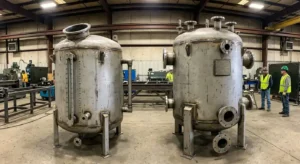
Condensate Tanks: Types, Fabrication, and ASME Code
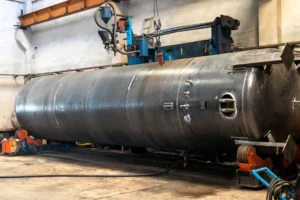
Which Tests Validate Deaeration in Pressure Systems?
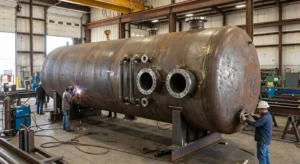
Equalization Tanks: Design, Sizing, and Fabrication
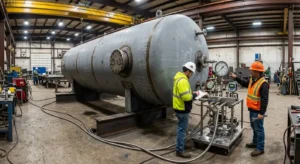
What Are Thermal Storage Testing Standards for TES Vessels?
What Hydro Tests Are Required for Pressure Vessels?
- Pipe Thickness in Pressure Vessels: Why It Matters for Safety and Reliability
- Understanding the Difference Between Pipes and Pressure Vessels
- Difference Between Piping Systems and Pressure Vessels
- Pressure Vessel and Pipe Testing
- Pressure Vessels vs Piping Systems Cost
- Understanding the Differences Between Pipes and Pressure Vessels
About Author