

EU Water Regulations set strict expectations for how water is protected, treated, and used in industrial and public systems. These rules influence equipment design, material selection, wastewater handling, and long-term maintenance planning. For industries that rely on pressure vessels in water-related processes, compliance supports safe operation and helps prevent contamination. RedRiver LLC builds pressure vessels and fabricated systems that align with recognized safety codes and support EU Water Regulations in real-world use.
Understanding EU Water Regulations
EU water regulations are some of the strictest in the world toward ensuring water quality and safety. While appreciating that those engaging in heavy industries such as oil and gas, power generation, and biogas depend on clean and compliant water systems, we believe at Red River that adherence to these regulations is essential. The European Union water directives exist to provide safe water, minimize contamination levels, and safeguard humans and the environment. What are these, exactly? And how do the EU water directives affect companies relying on pressure vessels and water filtration systems?
Background About EU Water Directives
Two of the most important requirements are the EU Drinking Water Directive (DWD) and the Water Framework Directive (WFD), which have provided the framework for European water regulations. DWD particularly focuses on water, which is fit for human consumption and aims to make it reach quality standards. WFD, however, focuses on an integrated approach toward the management of water resources to address the problem of pollution in those resources and sustain ecological health in Europe as a whole.
Why EU Water Quality Standards Matter
Why should a U.S.-based pressure vessel manufacturer care about EU water quality standards? The answer lies in compliance: as more industries expand into international markets, it is more crucial than ever to meet EU water regulations. Whether you work in the oil and gas industry or have a power generation venture, using pressure vessels that meet European Union water quality control might just open new doors for you while ensuring you are sticking to global best practices. At Red River, our vessels are constructed to not only meet ASME standards but also align with EU guidelines on water safety where applicable.
Key Objectives of European Water Policies
The rules of European Union water governance target an environment that is safer and healthier through reductions in pollution, protecting ecosystems, and ensuring strict environmental compliance of industries. For a manufacturer like RedRiver, this means putting in place high safety standards and quality control in all the pressure vessels we manufacture. This way, it benefits our customers in complying with the use of EU water management policies while maximizing operational efficiency and keeping the environment safe.
EU Key Directives on Water Quality
The European Union, through its member states, has some of the most strict regulatory measures on water quality and safety. Two key directives, specifically DWD and WFD, illustrate the stringent guidelines in the treatment and control of pollution and the preservation of the ecosystem that affects industries using the water system, including those that employ pressure vessels for filtering and separation.
Explanation of Drinking Water Directive
The Drinking Water Directive refers to the quality specifications regarding all drinking water intended for human consumption. It demands that there be tests, monitoring, and reporting under many different grounds to ensure that drinking water is and remains safe and clean.
Water Framework Directive: A Conceptual Overview
The Water Framework Directive is a directive given in the European Union and the EU member states regarding the management of water across Europe. The objective behind the WFD is the quality improvement of river flows, lakes, coastal waters, and groundwaters.
How EU Water Regulations Affect Industries
EU water regulations cover aspects of maintaining a high quality and safety standard, and very much the affected industries are those that function on water processes. For manufacturers, especially in pressure vessel manufacturing, it is crucial to observe these regulations. Industries such as oil and gas, power generation, and biogas are also affected where strict guidelines have barred contributions to water pollution and environmental degradation.
Manufacturers’ Compliance Requirements
EU-based manufacturers and exporters have strict guidelines to adhere to regarding water safety. The Drinking Water Directive (DWD) and the Water Framework Directive (WFD) form a binding element for all manufacturers and detail how water quality should be tested, monitored, and subsequently treated.
Environmental Consequences of EU Water Policies
The emphasis of the EU water policies is clearly environmental: antipollution, sustainable use, and natural resources for water. These policies also require industries to take responsibilities towards their usage and water wastage. Manufacturers observe a lower environmental footprint when they align with EU standards on quality control of water as such operations tend to optimize their processes, making the environment cleaner and healthier.
EU Water Regulations Support Safe Water and Safe Systems
EU Water Regulations protect water quality and require industries to manage water responsibly from intake through discharge. For organizations using pressure vessels in water processes, compliance depends on safe construction, corrosion resistance, and consistent lifecycle oversight. Recognized frameworks, such as ASME safety rules, help meet the structural side of compliance, while disciplined inspection protects water quality over time. RedRiver LLC builds pressure vessels and fabricated systems that support EU Water Regulations through reliable design, qualified fabrication, and practical service readiness.
Need a reliable partner?
Red River specializes in the design and manufacturing of pressure vessels. We also fabricate related items such as prefabricated spools and skid packages.
Reach Out to us today and experience the Red River difference. Where American Made and American Values come together, we care more.
FAQs
1. What does the Water Framework Directive do?
The Water Framework Directive promotes sustainable water use and reduces pollution in rivers, lakes, groundwater, and coastal waters. It sets ecological and chemical objectives that guide how industries manage water systems.
2. How do EU Water Regulations affect pressure vessel design?
EU Water Regulations require vessels used in water service to prevent contamination and resist corrosion. This influences material selection, internal finishes, fabrication quality, and inspection access.
3. How do pressure vessels comply with safety regulations over time?
Pressure vessels comply through correct design, recognized code-based fabrication, pre-service testing, and ongoing inspection. Documentation and trend tracking verify that safety margins remain intact.
4. How often do pressure vessels need to be inspected in water systems?
Inspection frequency depends on service severity, corrosion risk, and operating history. More aggressive water environments require more frequent checks than stable, low-risk systems.
5. What is ASME code for pressure vessel safety and why does it matter for water service?
ASME code provides rules for thickness, allowable stress, welding, and testing so vessels can safely contain pressure. Water systems rely on this structural safety to prevent leaks and contamination.
6. What should be included in a pressure vessel inspection checklist for water service?
A checklist should cover visual condition, thickness readings, weld integrity, nozzle and connection checks, internal deposit review, operating history, and recorded results for trend comparison.
Key Takeaways
- EU Water Regulations protect water quality and shape industrial equipment requirements.
- Pressure Vessel Safety Standards and Compliance ensure vessels can safely contain pressurized water.
- ASME safety rules support structural integrity that aligns with EU Water Regulations.
- Pressure Vessel Inspection and Maintenance keeps water-service vessels compliant long term.
Related Blog Post
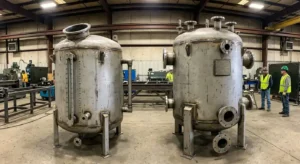
Condensate Tanks: Types, Fabrication, and ASME Code
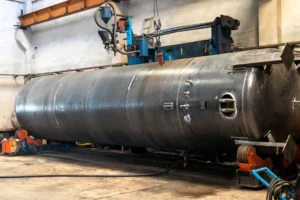
Which Tests Validate Deaeration in Pressure Systems?
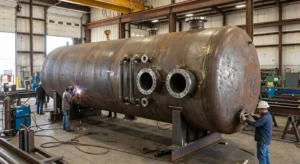
Equalization Tanks: Design, Sizing, and Fabrication
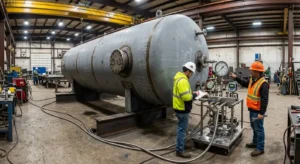
What Are Thermal Storage Testing Standards for TES Vessels?
What Hydro Tests Are Required for Pressure Vessels?
- Regulation 5 for private water supplies: What Owners and Operators Need to Know
- Compliance with Regulation 4 for ASME Pressure Vessels: What It Means for Safe, Reliable Operations
- Water Regulations and Their Industrial Impact
- What Are WRAS Water Regulations? Compliance & Safety Guide
- Understanding Water Level Control Systems
- Understanding EPA Standards | Red River Compliance
About Author



