Water Regulation 26, issued by the U.S. Environmental Protection Agency (EPA), safeguards water systems from contamination, protecting public health and ensuring operational reliability across high-risk industries like oil & gas, utilities, and manufacturing. It mandates strict separation of water types, durable equipment, and regular inspections. According to the American Water Works Association, cross-contamination incidents result in over $500 million in annual mitigation costs. Non-compliance risks fines, lawsuits, and shutdowns. Red River’s ASME-certified pressure vessels are built to meet these standards, offering safety, compliance, and peace of mind.
Why Water Regulation 26 Is Important To Water Safety
At Red River, we recognize the critical role of Water Regulation 26 in maintaining the safety and quality of water systems. This regulation not only ensures compliance but also protects public health and the well-being of communities. At its core, Water Regulation 26 prioritizes safety and reliability. For instance, a 2023 audit of a municipal plant in Texas found that improper system separation led to $250,000 in fines and water service disruptions. Ultimately, firms can uphold these values with precision and dedication. This regulation is enforced by the EPA, ensuring companies remain accountable.
Compliance for Water Quality
Water Regulation 26 focuses on preventing cross-contamination and degradation of water systems. By adhering to this regulation, firms can safeguard the public water supply and protect their operations. Specifically, the regulation mandates:
- Backflow prevention devices such as RPZ valves
- Physical separation of potable and non-potable systems
- Use of NSF-certified, corrosion-resistant materials
- Annual system inspection and documentation
At Red River, we offer modular, ASME-certified pressure vessels tailored to meet these compliance requirements. Our custom-built systems are designed to prevent cross-contamination and deliver reliable water safety solutions.
Industries Hit by Water Regulation 26
Water Regulation 26 applies to a wide range of industries:
- Oil refineries
- Public utilities
- Power generation
- Commercial works
- Mineral extraction
In oil refineries, failure to isolate hazardous water led to a 2021 incident in Louisiana, resulting in system-wide contamination and a $1.5M EPA penalty. Any company involved in water storage or transportation must understand and comply with these standards. At Red River, we provide pressure vessels that meet or exceed industry standards, ensuring safety in diverse sectors.
The Impact of Regulation 26 on Contamination Prevention
One of the primary objectives of Water Regulation 26 is contamination prevention. In particular, this regulation is especially vital for systems managing hazardous substances or handling cross-flow risks. As a result, compliance not only improves water safety but also minimizes potential hazards to public health.
At Red River, our pressure vessels and modular solutions are engineered to meet these strict requirements, ensuring safety at every stage of operation.
How to Comply with Water Regulation 26: Step-by-Step
To comply with Water Regulation 26, companies must meet several basic conditions:
- Conduct an initial system audit using certified inspectors
- Identify cross-connection and backflow risks
- Install backflow prevention assemblies (e.g., RPZ, double-check valves)
- Use only durable, corrosion-resistant, and ASME/NSF-compliant materials
- Maintain documented inspection logs and test reports
- Schedule inspections every 12 months or more frequently for hazardous operations
At Red River, our ASME-certified systems are built to exceed these standards, providing peace of mind for our clients.
Why Many Companies Struggle with Regulation 26
Many companies face challenges in maintaining compliance due to:
- Technical complexities in retrofitting legacy systems
- High upfront cost of compliant infrastructure
- Limited in-house regulatory expertise
- Gaps in inspection and documentation processes
However, Red River offers cost-effective solutions to reduce non-compliance risks. By prioritizing a proactive approach, we help companies meet regulatory demands without compromising operational efficiency.
Best Practices in Implementing Water Regulation 26
Achieving compliance involves:
- Regular system audits by certified professionals
- Investing in certified, corrosion-resistant materials and designs
- Maintaining clear documentation of system changes and inspections
- Implementing a preventive maintenance schedule based on EPA guidelines
Working with reliable partners like Red River ensures your system is built to last and remains fully compliant. We also recommend implementing FAQ schema markup and Article schema to enhance search visibility.
Benefits of Compliance under Water Regulation 26
Long-Term Safety and Efficiency
Compliance ensures both safety and operational efficiency. Businesses can prevent contamination, equipment failure, and costly repairs. Regularly inspected pressure vessels help minimize downtime and extend system lifespan.
At Red River, our high-quality, ASME-certified pressure vessels allow clients to operate smoothly without excessive maintenance costs. Compliance reduces emergencies and operational risks.
Avoidance of Fines and Legal Cases
Non-compliance with Water Regulation 26 can result in:
- Heavy fines
- Operational shutdowns
- Lawsuits
- Damaged reputation
Maintaining compliance keeps your business on solid legal ground and safeguards your industry standing. Red River’s systems are engineered for absolute safety and regulatory adherence.
Experience the Red River Difference in Water Safety
Navigating the complexities of Water Regulation 26 requires more than just equipment; it requires a partner dedicated to your operational integrity. At Red River, we combine American-made quality with precision engineering to ensure your systems are safe, compliant, and efficient.
Don’t risk the heavy fines or operational shutdowns associated with non-compliance. Our ASME-certified pressure vessels and modular solutions are built to exceed EPA standards, providing you with total peace of mind and long-term reliability.
Ready to secure your infrastructure? Connect with our expert team today to discuss your custom compliance needs and discover why industries across the nation trust Red River to protect their most vital water systems.
Frequently Asked Questions
1. What is the main objective of Water Regulation 26?
Water Regulation 26 aims to protect water systems from contamination, especially in industries exposed to hazardous substances. It ensures quality water through design controls, material use, and system integrity. For example, it demands pressure vessels that resist backflow and corrosion, supported by third-party certifications such as NSF or ASME.
2. Which sectors are most affected by Water Regulation 26?
Industries handling chemicals, wastes, or hazardous materials are most affected:
- Oil and gas
- Chemical manufacturing
- Biogas
- Public utilities
- Power generation
These sectors must adhere strictly to maintain water safety and system reliability, especially in regulated jurisdictions.
3. How often should systems be inspected for compliance?
Systems are typically inspected annually. However, high-risk installations may require quarterly checks under ASME Section VIII or EPA cross-connection control standards. Equipment like pressure vessels, pipelines, and valves must be examined thoroughly by certified inspectors.
4. What are the consequences of non-compliance?
Failure to comply results in:
- Steep fines
- Shutdown of operations
- Lawsuits
- Damaged reputation
To avoid penalties, conduct regular inspections, train staff, and use regulation-approved materials and assemblies.
5. How does Water Regulation 26 impact pressure vessel manufacturing?
It dictates standards for design and materials to prevent contamination. Pressure vessels must:
- Resist corrosion
- Prevent backflow
- Comply with ASME, NSF, and EPA standards
Routine maintenance and working with experienced manufacturers like Red River ensure long-term compliance.
Key Takeaways
- Water Regulation 26 prevents contamination in high-risk industries
- Compliance reduces legal risks, downtime, and public health hazards
- Core compliance practices: inspections, certified vessels, proper design
- Affected industries: oil & gas, power, utilities, chemical processing
- Red River provides ASME-certified solutions for full compliance
Related Blog Post
Pressure Vessel Design & Engineering: Concept to Launch
What is Pressure Vessel Design and Engineering: Code-Ready Guide
What are the Key Factors in Pressure Vessel Engineering
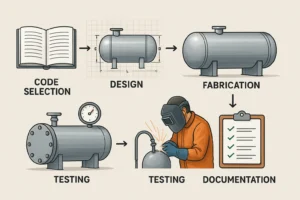
How Do You Design a Pressure Vessel: A Step-By-Step Guide
What is Pressure Vessel Fabrication and Manufacturing
- Regulation 5 for private water supplies: What Owners and Operators Need to Know
- Compliance with Regulation 4 for ASME Pressure Vessels: What It Means for Safe, Reliable Operations
- Water Regulations and Their Industrial Impact
- EU Water Regulations: Key Directives and Industrial Impact
- What Are WRAS Water Regulations? Compliance & Safety Guide
- Understanding Water Regulations Fluid Categories | Red River
About Author