Diesel pressure vessel filter separators protect engines by removing water and contaminants, but common mistakes like neglecting water levels, skipping maintenance, or using the wrong filters can reduce their effectiveness. Consistent monitoring, environment-specific setups, and proper maintenance ensure reliable fuel filtration and longer engine life.
Why Diesel Pressure Vessel Filter Separator Practices Matter
Many operators who use a diesel pressure vessel filter separator rely on it every day for clean, water-free diesel fuel. Yet it’s all too easy to slip into habits that shorten the life of your diesel pressure vessel filter separator or let contaminants pass unchecked. You’ll find that consistent best practices can make a big difference. In this article, you’ll discover pitfalls to avoid, ways to adapt your diesel pressure vessel filter separator to your environment, and maintenance strategies that help you keep your fuel lines clear and your engines running smoothly.
Review the Diesel Pressure Vessel Filter Separator
A solid understanding of how your separator works can protect you from downtime and expensive fixes. Essentially, a diesel pressure vessel filter separator encloses specialized filter media inside a rugged container, often built to meet ASME pressure vessel codes and standards. It aims to remove both solid contaminants and water from diesel before the fuel progresses through your system.
If you’re new to these devices, you can take a deeper look at the basics by checking out what is a diesel pressure vessel filter separator. In many models, a diesel pressure vessel filter separator allows diesel to enter the vessel and travel around filter elements that capture debris. The water then settles at the bottom, ready for manual or automatic draining, ensuring the diesel pressure vessel filter separator continues to protect your engine. This process helps extend the life span of your engine’s components and lowers chances of surprise breakdowns due to fuel contamination.
Designs vary based on application size and industry demands. Large maritime or industrial setups may use a diesel pressure vessel filter separator with higher flow capacities and multi-stage filtration. Smaller systems such as those on construction sites often rely on a diesel pressure vessel filter separator with replaceable filter cartridges, making upkeep straightforward. Yet whether the diesel pressure vessel filter separator is big or small, each one has the same intent: keep water from mixing with your diesel and stop rust, particles, or microbes from reaching your engine.
Key elements to look for in a well-constructed diesel pressure vessel filter separator include sturdy welds, tight seals, and smart fluid flow designs. Gaskets and welded joints on a diesel pressure vessel filter separator should be able to handle both internal pressure and environmental stresses. A uniform interior flow path also helps ensure consistent filtration, preventing weak spots where contaminants could slip through. For more insights into vessel design, see safety and compliance in pressure vessel design. By prioritizing these aspects, your diesel pressure vessel filter separator can deliver reliable, long-term performance.
With an overview of the diesel pressure vessel filter separator’s purpose, it becomes easier to see how certain missteps can creep in. By recognizing how a diesel pressure vessel filter separator functions at a foundational level, you’ll be prepared to spot warning signs. This knowledge allows you to prevent minor oversights in your diesel pressure vessel filter separator from escalating into bigger, costlier problems.
Understand Your Operational Environment
Your diesel pressure vessel filter separator depends heavily on the conditions it faces each day. Temperature, humidity, and even altitude can shape how well a diesel pressure vessel filter separator eliminates water from the diesel stream. In colder areas, diesel can thicken and lower the flow rate, giving water droplets a chance to accumulate inside the filter housing. In warmer, humid areas, you might see more condensation in the vessel, which can further challenge the diesel pressure vessel filter separator and lead to additional water buildup.
Higher elevations can slightly reduce the internal vessel pressure, altering the flow profile and potentially influencing how diesel interacts with the filter media in a diesel pressure vessel filter separator. In some instances, that small shift can matter if your diesel pressure vessel filter separator or filter capacity is already at its limit. Good news, though environmental challenges usually require only modest design adjustments, such as choosing different alloys to stave off corrosion, selecting coalescer filters, or adding insulation or heaters to keep your diesel pressure vessel filter separator performing efficiently even in cold climates.
If your site is especially dusty or dirty, you’ll likely need more frequent checks on the diesel pressure vessel filter separator. Dust, sand, or airborne debris often makes its way into the fueling process, accelerating clogging in the diesel pressure vessel filter separator filter medium. Conversely, a clean indoor facility can often extend filter life. But ignoring the conditions you run in whether it’s harsh weather or heavy particulate matter can rapidly degrade the effectiveness of your diesel pressure vessel filter separator.
When in doubt, consult with an industry expert or a specialized manufacturer. Red River, known for advanced industrial solutions, stresses that every location has unique demands (Red River). Maybe you’re handling large temperature swings in an oilfield operation, or your diesel pressure vessel filter separator is working on a coastal platform exposed to salt-laden air. In either scenario, you can fine-tune your diesel pressure vessel filter separator design and maintenance intervals to ensure steady filtration. By matching your diesel pressure vessel filter separator build to your environment, you reduce the chance of costly interruptions and maintain better control over water and contaminants in your fuel.
Spot Common Pitfalls
Effective filtration is not just about selecting the right diesel pressure vessel filter separator. It’s also about avoiding careless mistakes that can damage your diesel pressure vessel filter separator’s performance over time. Below are some of the most frequent errors that operators make and how you can steer clear of them.
Failing to Monitor Water Levels
One of the biggest oversights is forgetting to check how much water has accumulated in the diesel pressure vessel filter separator. When water rises to a certain point, it can reach the filter media or spill into the clean fuel flow, nullifying your diesel pressure vessel filter separator’s filtration efforts. Simple visual inspections can solve this. Many separators feature sight glasses or electronic sensors, so it’s wise to integrate daily or weekly checks into your routine.
If you catch water levels creeping up, prompt draining prevents contamination and potential damage. This small step often saves big money in the long term. Once you stay on top of it, you’ll spot gradual increases before anything spirals out of control.
Using Filters Not Suited to Your Fuel
Filter media must match the type of fuel and contaminants you encounter. Some filters excel at trapping very fine particles, while others specialize in coalescing water droplets. Using the wrong filter can lead to either repeated clogging or poor filtering both of which undermine your diesel supply’s quality. For more details, review fuel filter vessel water separator.
Skipping Routine Inspections and Maintenance
Many operators assume their separators “just work,” especially when setup is straightforward. But tiny issues can fester. A gasket might begin to leak. A filter can start getting clogged. Regular upkeep like monthly or quarterly inspections can expose early signs of trouble. Learn more at pressure vessel manufacturing and inspections.
Neglecting Proper Drainage Systems
Even if your main filters perform flawlessly, you still have to remove the water they collect. That’s where the separator’s drainage mechanism comes in. Whether it’s a manual valve or an automatic float system, it’s essential to keep it functioning correctly. Damaged or clogged drain lines can let water seep back into your fuel.
Perform simple checks under normal operating pressure. Open and close the drain, watching for abnormal sounds or unexpected pressure drops. If you see any sign of corrosion or blockage, fix it promptly. You don’t want your freshly separated water slipping back into the diesel or, worse yet, leaking out where it can cause additional hazards.
Overlooking Prefabrication Quality
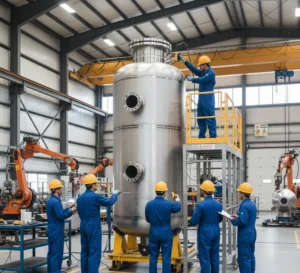
In certain sectors, an entire diesel filter module can be prefabricated off-site, then shipped for direct installation. This approach often cuts down on the chance of assembly errors in the field. Red River highlights that prefabrication helps reduce on-site exposure hours and improve overall craftsmanship, because controlled production environments boost consistency.
Still, if you overlook proper quality checks on the prefabricated unit, installation hiccups might follow. For instance, a misaligned nozzle or subpar weld could lead to leaks or hamper the drainage process. Before you commit to a prefabricated module, gauge the reputation of the builder and confirm that they use rigorous fabrication standards.
Improve Separator Performance
Once you know the common culprits, you can take practical steps to boost the effectiveness of your filter separator. Even minor changes can yield a more dependable supply of clean diesel.
Schedule Filter Changes Based on Real Data.
A differential pressure gauge gives you measurable proof of filter load. As debris and water build up, pressure on the outlet side changes. Track these numbers so you can replace the filter right when it’s needed, rather than swapping it by guesswork or, conversely, pushing it too long.
Adopt Advanced Coalescer Elements When Needed.
If your diesel regularly contains a high volume of water, coalescer filters help gather water droplets into larger clusters, making them easier to remove. Though these specialized elements can cost more initially, they often save you money by reducing engine wear and prolonging filter life.
Try Routine Sampling and Lab Testing.
A quick sample of fuel at the diesel pressure vessel filter separator inlet and outlet can reveal whether contaminants are slipping through. Simple lab analyses or on-site test kits measure water content and particulate levels, helping you monitor your diesel pressure vessel filter separator’s performance. These tests keep you alert to changes in fuel quality, especially if you suspect your fuel supplier or on-site conditions have shifted.
Use a purposeful drainage plan.
Ensure that separated water drains to a safe holding area where it can’t re-enter the fuel system. In large industrial settings, consider routing the drain line into a sealed containment unit. Routine checks confirm that no reverse leakage is happening. This extra bit of planning can make a big difference in safeguarding clean fuel.
Consult with Specialists for Custom Solutions.
Standard off-the-shelf vessels won’t always meet the unique demands of oilfields, marine docks, or remote construction sites. Companies like Red River provide custom or OEM separators that factor in everything from anticipated temperature swings to flow-rate requirements. If your operation is complex or mission-critical, a tailored solution ensures you’re fully covered.
By taking these steps proactively, you’ll see more consistent filtration results. Even small upgrades like more frequent sampling or better-suited filter cartridges can lead to fewer breakdowns and lower maintenance bills. Think of these measures as an investment in smooth operations, rather than fixes you apply after problems occur.
Diesel Pressure Vessel Filter Separator Best Practices
You’ve learned that a diesel pressure vessel filter separator thrives on consistent supervision, correct filter choice, and an environment-focused setup. Paying closer attention to draining water, checking for leaks, and monitoring filter health might seem tedious at first, but these efforts spare you from costlier issues down the line.
A regular maintenance schedule fueled by real data rather than guesswork helps you catch minor red flags early. If local conditions push your system’s limits, explore a custom-built vessel. By shaping the design to your actual needs, you avoid many headaches before they begin.
Although surprises can still happen like a sudden contamination from a poorly handled fuel delivery you’ll be equipped with the knowledge and routines to respond quickly. By using the right combination of technology and prefabrication, you’ll protect your engines, maintain tighter control over fuel costs, and keep your operation on track day after day.
Take Action with Diesel Pressure Vessel Filter Separator Solutions
Partner with specialists like Red River to ensure your diesel pressure vessel filter separator is built, maintained, and optimized for peak performance. Contact us today to protect your investment and keep your operations running without interruption.
Frequently Asked Questions
1. What is a diesel pressure vessel filter separator?
A diesel pressure vessel filter separator is a specialized filtration unit designed to remove water, dirt, and other contaminants from diesel fuel under pressure. Built as a pressure-rated vessel, it ensures reliable operation in demanding environments like power plants, marine systems, and industrial fuel handling facilities, helping to protect engines and equipment from premature wear or failure.
2. How does a diesel pressure vessel separator work?
It works by passing diesel fuel through multiple filtration stages inside a pressure vessel. First, a coalescer element captures fine particles and forces water droplets to merge and separate. Then, a separator stage removes the coalesced water, while fine filters trap any remaining solids. The result is clean diesel that meets strict engine and industrial standards.
3. Why use a diesel fuel water separator vessel?
Using a diesel fuel water separator vessel prevents water and contaminants from causing corrosion, injector failure, microbial growth, and efficiency loss in engines or fuel systems. By ensuring fuel purity, it extends equipment life, reduces downtime, and helps maintain compliance with operational and safety requirements.
4. Do I need a different separator for industrial diesel applications?
Yes, industrial scenarios often require larger flow capacities and heavier-duty vessels. For more on this topic, see industrial fuel water separator vessel. Selecting a separator rated for your application improves its reliability under higher demands.
5. Are diesel pressure vessel filter separators always ASME certified?
Not invariably. Some industries mandate ASME certification for safety and quality, while others do not. Check out asme pressure vessel separator to learn more about why certification can matter.
6. Is prefabrication really worth it?
Prefabricated modules arrive tested and ready to install. If onsite construction is complex or your location is remote, a prefabricated route can save you time and reduce errors that sometimes occur during field assembly.
Key Takeaway
- Regularly check and drain water to prevent internal damage.
- Use filters that match your fuel and contamination profile.
- Track performance data to optimize your maintenance schedule.
- Consider custom or prefabricated vessels for specialized environments.
- Enforce a proactive mindset, so small issues never become big ones.
Related Blog Post
Pressure Vessel Design & Engineering: Concept to Launch
What is Pressure Vessel Design and Engineering: Code-Ready Guide
What are the Key Factors in Pressure Vessel Engineering
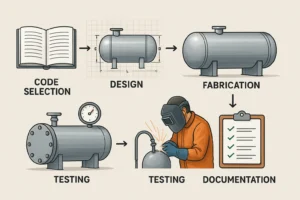
How Do You Design a Pressure Vessel: A Step-By-Step Guide
What is Pressure Vessel Fabrication and Manufacturing
- Gas Turbine Fuel Water Separator Vessel Guide
- Top Reasons to Use a Fuel Oil Pressure Vessel Separator, Red River
- Fuel Filter Vessel Water Separator: RedRiver LLC
- What Is an ASME Pressure Vessel Separator and Why You Need It
- Maximize Performance with ASME Pressure Vessel Separator
- What to Know Before Buying an Industrial Fuel Water Separator Vessel
About Author