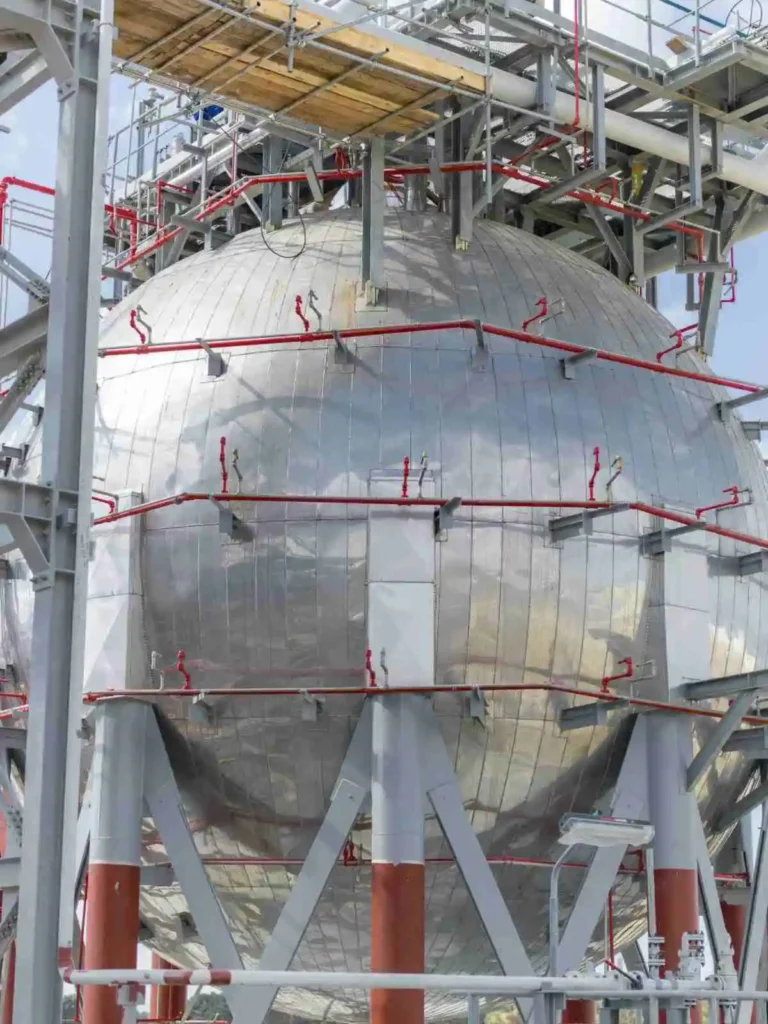
A gas turbine fuel water separator vessel protects turbines by removing water and impurities from fuel. It helps prevent corrosion, reduce downtime, and extend equipment life.
Why a Gas Turbine Fuel Water Separator Vessel Matters
Every part of a gas turbine system must operate flawlessly for optimal performance. A gas turbine fuel water separator vessel is vital, removing water and contaminants before fuel enters the turbine. Using a gas turbine fuel water separator vessel ensures reliable operation, preventing corrosion and efficiency loss. Proper selection, installation, and maintenance are crucial. Additionally, prefabrication of these vessels streamlines the process, reducing on-site work and minimizing delays. Investing in a quality gas turbine fuel water separator vessel not only protects your equipment but also enhances overall system reliability, ensuring your turbine operates safely and efficiently.
Understanding Gas Turbine Fuel Water Separator Vessel
When you rely on a turbine for power generation or industrial processes, the quality of your fuel must remain consistently high. Even small amounts of moisture or contaminants can reduce efficiency and increase maintenance costs. A gas turbine fuel water separator vessel is specifically designed to remove water from the fuel stream, protecting against corrosion and downtime. Using a gas turbine fuel water separator vessel ensures your system runs reliably, maintaining performance and extending equipment life. Investing in a quality fuel water separator vessel is essential for safeguarding your turbine and reducing maintenance challenges.
Water often sneaks into fuel supply channels during storage, transfer, and handling. Left unchecked, that moisture can damage a turbine’s internal components or cause combustion problems. According to Red River, a gas turbine fuel water separator vessel is essential for removing water and contaminants effectively. Installing a gas turbine fuel water separator vessel ensures reliable operation, minimizes downtime, and protects critical turbine parts. Red River emphasizes that investing in a quality system not only safeguards your equipment but also maintains consistent performance, keeping industrial processes running smoothly and efficiently.
Robust vessel design extends turbine component lifespan. A gas turbine fuel water separator vessel removes water, ensuring cleaner, more efficient fuel and reducing fouling. Choosing the right gas turbine fuel water separator vessel optimizes performance, minimizes maintenance, and enhances reliability. Understanding vessel design helps operators select solutions that keep turbines running safely and efficiently, whether small or large.
How These Vessels Work in Summary
- Fuel enters the vessel under pressure.
- Internal elements, often coalescers or filter cartridges, cause water droplets to merge.
- Gravity settles the heavier water to the bottom, leaving purified fuel at the top.
- Water is drained periodically, ensuring your fuel line stays dry and safe.
Every detail matters in turbine operation, from size to internal coating. A gas turbine fuel water separator vessel ensures fuel stays clean, boosting efficiency. Installing a gas turbine fuel water separator vessel protects components under high loads, while a gas turbine fuel water separator vessel complements other systems like what is a diesel pressure vessel filter separator, enhancing overall reliability and performance.
Recognize the Importance of Water Removal
Water is the enemy of gas turbine performance. Moisture contaminates fuel, causing corrosion, microbial growth, and partial combustion. Even a small film of water can disrupt air-fuel mixing, triggering inefficiencies or damaging hot-section parts. Eliminating moisture is a top priority for gas turbine operators. A gas turbine fuel water separator vessel removes water effectively, and a gas turbine fuel water separator vessel protects turbine components. Using a gas turbine fuel water separator vessel is preventative, reducing downtime, while a quality gas turbine fuel water separator vessel ensures consistent, efficient operation for reliable performance.
Key Reasons to Remove Water
- Corrosion control: Water encourages rust in storage tanks and fuel lines, especially if your system operates under fluctuating temperatures.
- Higher efficiency: Dry fuel burns more uniformly, boosting your turbine’s overall performance.
- Reduced contamination: Water often carries other contaminants like sediment, salts, and microorganisms. Removing moisture cuts down on all of those, too.
- Lower maintenance costs: Cleaner fuel translates into longer intervals between filter changes, fewer breakdowns, and decreased wear-and-tear across your system.
Balancing performance with cost can be tricky, but ignoring water infiltration is costly. A gas turbine fuel water separator vessel removes moisture, protecting your system. Installing a gas turbine fuel water separator vessel prevents clogs and corrosion. Choosing the right gas turbine fuel water separator vessel now saves expensive downtime later, while a quality gas turbine fuel water separator vessel ensures long-term, reliable turbine operation.
Explore Key Design and Performance Factors
Choosing a suitable separator vessel requires more than size consideration. A gas turbine fuel water separator vessel ensures optimal flow and protects against contaminants. Proper selection of a gas turbine fuel water separator vessel based on pressure, material, and orientation enhances reliability. Installing a gas turbine fuel water separator vessel maximizes efficiency, safeguards components, and maintains consistent turbine performance.
Flow and Pressure Requirements
Choosing a suitable separator vessel requires more than size consideration. A gas turbine fuel water separator vessel ensures efficient removal of water and contaminants. Selecting the right gas turbine fuel water separator vessel based on flow, pressure, and material enhances turbine reliability. Installing a gas turbine fuel water separator vessel protects components, optimizes performance, and extends operational lifespan.
Flow Rate Parameters:
- Normal operating flow: The expected average flow in your daily operations
- Peak flow: The maximum flow during startup or surges
- Turn-down ratio: The flexibility to handle lower-than-usual flow when the turbine isn’t running at full capacity
Pressure Considerations:
- Maximum allowable working pressure (MAWP)
- Typical pressure drops across internal filters or coalescers
- Safety factors for handling transients or spikes
Layout and Orientation
In many applications, a horizontal gas turbine fuel water separator vessel handles high-volume flow, giving moisture space to settle. Vertical designs suit smaller footprints and easier draining. Red River’s expertise ensures each configuration performs efficiently. Selecting the right gas turbine fuel water separator vessel depends on space, maintenance, and draining needs. A properly designed gas turbine fuel water separator vessel maximizes reliability, protects components, and maintains optimal turbine performance.
Materials and Linings
Material selection depends on fuel chemistry, temperature, and corrosive compounds. Options include carbon steel, stainless steel, and specialized alloys. Internal coatings like epoxy reduce corrosion and extend vessel life. Learn about metal fabrications for industrial applications.
Filtration Elements
Inside each gas turbine fuel water separator vessel, cartridges or coalescers capture impurities and merge water droplets. The media can be synthetic, cellulose, or specialized microfibers. Choosing the right gas turbine fuel water separator vessel ensures easy inspection and replacement, reducing lifecycle costs. A well-maintained gas turbine fuel water separator vessel protects turbine components, improves fuel quality, and maximizes overall system reliability and performance.
Consider Prefabrication Benefits
Prefabrication has become popular in industrial construction because it reduces onsite labor and errors. Using a gas turbine fuel water separator vessel in a prefabricated setup ensures quality and consistency. Red River supports building a gas turbine fuel water separator vessel offsite for easier installation and reliability. A properly prefabricated gas turbine fuel water separator vessel minimizes downtime, enhances safety, and ensures optimal performance within the overall system.
Why Prefabrication Works
- Reduced error rates: A controlled environment, consistent workflows, and skilled fabricators can minimize mistakes.
- Lower onsite exposure: Prefab can cut total project time onsite, reducing safety risks and insurance costs.
- Faster turnaround: Parallel activities (such as site preparation) can happen while modules are constructed offsite, speeding up overall schedule.
- Improved integration: Modules are tested before shipping, meaning you know they fit together by the time they arrive.
When considering your gas turbine fuel water separator vessel, ask if it can be delivered as part of a packaged skid. A modular approach often bundles the vessel, pumps, piping, and instrumentation together, so you can essentially “plug and play” onsite. According to Red River’s prefabrication insights, clients see fewer change orders and reduced project timelines when adopting this strategy.
Balancing Costs and Quality
Some operators hesitate on prefabrication due to shipping costs or modular complexity. However, using a gas turbine fuel water separator vessel prefabricated offsite reduces labor and errors. A properly designed gas turbine fuel water separator vessel streamlines construction schedules and logistics. Combining prefabrication with advanced modeling ensures your gas turbine fuel water separator vessel meets exact specifications, enhancing reliability and efficiency before installation.
Evaluate Materials and ASME Compliance
Choosing the right gas turbine fuel water separator vessel often goes hand in hand with meeting or exceeding ASME (American Society of Mechanical Engineers) standards. These codes influence everything from weld integrity to allowable stress on materials. Whenever your fuel system involves high pressures (which is typical for turbines), you want to ensure the vessel is certified.
Why ASME?
ASME compliance isn’t just a paperwork exercise. Vessels with an ASME stamp have undergone rigorous testing and documentation. The code ensures your separator will handle operating demands safely, even at higher pressures or variable temperature ranges. Using an ASME pressure vessel can:
- Guarantee design integrity for your working environment
- Provide a clear track record of quality and testing
- Ease regulatory inspections, especially in strict jurisdictions
- Offer peace of mind for your engineering and safety teams
If you want to learn more about how these separators are certified, you might explore how does an asme certified pressure vessel separator work. Understanding that process helps you appreciate the safety margins and engineering diligence built into these vessels.
Material Selections
Carbon steel is a common choice for many industrial fuel-water separators. It’s economical, reliable, and suits a wide range of fuels. Where corrosion resistance is a concern—especially if your fuel has corrosive additives or you’re operating in a marine environment—you might consider stainless steel or even exotic metals like duplex or super duplex stainless steels. Each option carries its own cost and performance profile. Balancing the investment against your operational needs is key. Keep in mind that regular inspections and potential recoating could extend the life of your chosen material.
Beyond Metals
In some scenarios, you might choose internal linings or polymer-based materials that enhance corrosion resistance. The manufacturing approach can include specialized coatings to meet your fuel’s chemical profile. This is common in applications where water frequently contains dissolved salts that hasten corrosion rates. Red River has produced many custom or OEM pressure vessels with the right internal lining to handle challenging conditions. Whether you need an epoxy layer or additional cladding, your supplier should be able to tailor solutions that fit your specific environment.
Adopt Best Practices for Installation and Maintenance
A well-chosen gas turbine fuel water separator vessel will only perform its best if you install and maintain it properly. That includes the site layout, piping configuration, draining procedures, and ongoing inspection protocols.
Installation Guidelines
- Check orientation: If your vessel is vertical, make sure your foundation and anchor points support that design safely. For horizontal vessels, confirm you have enough pad space.
- Align with flow direction: Follow the arrows or guidelines on the vessel. Installing it incorrectly can impair water separation.
- Include bypass lines: A bypass or maintenance line lets you service the vessel without shutting down the entire turbine system.
- Use proper gaskets and seals: Minor leaks now can become bigger issues later. Double-check all flanges and manway connections.
- Build in drain and vent points: Water that accumulates at the base of the separator must be drained out safely.
Maintenance Essentials
Even the best-designed separator vessel needs ongoing upkeep. The internal coalescers or filters can become fouled over time, especially if your fuel source isn’t pristine. Plan your routine maintenance schedule around the severity of your duty cycle. Some operators check and replace elements monthly, others might do so quarterly.
- Inspect drain lines: If water can’t flow out easily, it will accumulate and reduce the vessel’s effectiveness.
- Check for corrosion: Tiny rust spots inside, especially near weld seams, can grow. Catching them early is much cheaper than repairing major damage.
- Monitor differential pressure: Many separators include gauges that measure the pressure drop across the coalescer. A steady rise often signals a clogged filter.
- Keep spares on hand: Replacement filter cartridges and gaskets can significantly cut downtime if you have them readily available.
- Follow OEM guidelines: Every vessel has unique design specifics, so refer to the manuals provided by the manufacturer for best results.
Maintaining your separator in good working order is part of an overall strategy to prevent fuel contamination. You can read more in advanced guides, such as why do gas turbines need fuel water separator vessels.
Choosing the Right Gas Turbine Fuel Water Separator Vessel
Selecting the right vessel for your gas turbine application is no small matter. From material selection and pressure ratings to design orientation and maintenance, every aspect requires both practical and technical scrutiny. Your ultimate payoff is substantial: improved turbine reliability, higher efficiency, and fewer emergency shutdowns.
If you work with a knowledgeable supplier, your final system could be a prefabricated module that arrives on-site ready to plug into your existing infrastructure. Prefabrication can simplify the entire project, and ASME-compliant builds ensure you’re covered for pressure and safety requirements. In the end, an effective gas turbine fuel water separator vessel helps keep your operations humming, giving you the confidence that your energy output remains steady and your maintenance budget stays predictable.
Partner with RedRiver LLC for Reliable Separator Solutions
RedRiver LLC engineers custom gas turbine fuel water separator vessels for oil and gas, water treatment, and renewable applications. With advanced prefabrication and ASME-certified designs, RedRiver delivers safe, efficient, and cost-effective solutions.
Frequently Asked Questions
1. What is a gas turbine fuel water separator vessel?
A gas turbine fuel water separator vessel is a device that removes water and contaminants from fuel before it reaches the turbine.
2. How does a gas turbine fuel water separator vessel work?
It separates water and impurities from fuel using gravity, centrifugal force, and filters, allowing clean fuel to flow to the turbine.
3. Why do gas turbines need fuel water separator vessels?
Gas turbines need them to prevent corrosion, blockages, and reduced efficiency caused by water or contaminants in the fuel.
4. Do I need a separate pre-filter before the separator vessel?
In some setups, a pre-filter can extend the life of your vessel’s internal elements by trapping larger debris first. It’s a common practice when dealing with very dirty or unprocessed fuels.
5. How can I tell if my separator vessel is underperforming?
Common signs include a rise in pressure drop across the unit, visible water in fuel samples, or more frequent turbine maintenance due to fouling or corrosion. Monitor these indicators and schedule maintenance if any red flags appear.
6. Is an epoxy lining necessary for every application?
Not necessarily. Your need for epoxy or other internal coatings depends on your fuel’s chemistry and whether you anticipate rapid corrosion. Discuss your specific conditions with the manufacturer.
7. How does modular construction affect long-term vessel maintenance?
Modular construction simplifies the initial installation and potentially makes major replacements or upgrades easier. The entire skid can be removed or serviced in a controlled shop environment if needed.
Key Takeaway
- Thorough water removal is crucial for safeguarding gas turbines against corrosion, combustion inefficiency, and unplanned downtime.
- The design of a separator vessel, from size to orientation,directly impacts how effectively it handles your specific flow rate and pressure.
- Prefabrication can save time and money, allowing parallel site prep and equipment builds while reducing error rates and on-site risks.
- ASME certification provides confidence in the vessel’s pressure integrity, quality, and long-term reliability.
- Regular maintenance, including routine drainage, filter changes, and corrosion checks, is essential for sustaining peak separator performance.
Related Blog Post
Can Condensate Storage Improve Reliability?
Where Do Condensate Tanks Fit in a Steam System?
Which Nozzles Simplify Maintenance on Pressure Vessels?
How to Vent Condensate Tanks in Steam Systems
How Do Baffle Layouts Affect Stratification in TES Tanks?
- Top Reasons to Use a Fuel Oil Pressure Vessel Separator, Red River
- What Is an ASME Pressure Vessel Separator and Why You Need It
- Maximize Performance with ASME Pressure Vessel Separator
- Fuel Filter Vessel Water Separator: RedRiver LLC
- What to Know Before Buying an Industrial Fuel Water Separator Vessel
- Diesel Pressure Vessel Filter Separator – Red River LLC
About Author