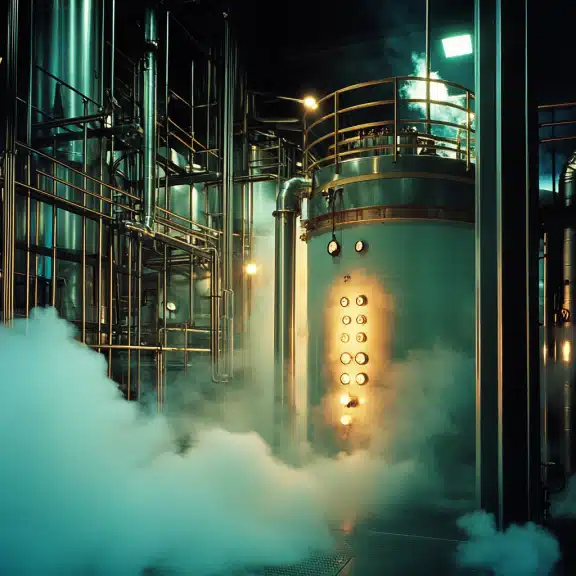
Cryogenic tank venting is the controlled release of vapor to prevent overpressure and ensure safety. It’s caused by factors like temperature fluctuations, pressure buildup, and insulation quality. This guide covers why venting happens, how to manage it, and what safety protocols and regulatory standards apply. Key tactics include using high-performance insulation, maintaining relief valves, and optimizing venting systems to reduce losses and emissions.
Cryogenic Tank Venting: What It Is, Why It Happens & How to Control It
Venting is the intentional release of vapor from cryogenic tanks, a necessary process to prevent pressure buildup and ensure operational safety. This guide explains the causes, technical mechanisms, and best practices for managing cryogenic storage from pressure relief systems to insulation efficiency.
Importance of Addressing Venting in Cryogenic Storage
Addressing venting in cryogenic storage is crucial for maintaining operational performance and protection. Proper venting procedures help regulate pressure, prevent tank damage, and ensure the integrity of stored substances. Understanding the dynamics of venting is essential for effective cryogenic tank control.
Failing to manage venting effectively can result in product loss, equipment failure, and even safety hazards. Regulatory frameworks such as the ASME Boiler & Pressure Vessel Code and CGA S-1.3 outline minimum standards for vent sizing and pressure management in cryogenic systems. Understanding these standards is key to compliance and performance.
Factors Influencing Cryogenic Tank Venting
Temperature Fluctuations and Their Impact
Understanding how temperature changes affect vaporization rates is critical especially in the context of cryogenic tank pressurization, which can significantly increase venting frequency under suboptimal conditions. Temperature fluctuations can cause variations in vapor pressure in internal cryogenic tanks, leading to the want for venting to maintain the finest conditions. Temperature increases accelerate liquid boil-off, raising internal vapor pressure. For example, a 10°C rise in ambient temperature can double the vaporization rate of liquid nitrogen, depending on insulation performance. Operators should monitor temperature gradients across tank walls and use temperature-compensated control valves when feasible.
Pressure Buildup in Cryogenic Tanks
Pressure buildup in cryogenic tanks can arise due to factors like ambient temperature adjustments, filling and emptying operations, and heat transfer from external assets. Proper pressure relief mechanisms and valves are vital to prevent overpressurization and ensure safe operation.
Type and Quality of Insulation Materials
Materials such as perlite, vacuum-jacketed systems, and multi-layer insulation (MLI) offer varying levels of thermal resistance. High-grade MLI can reduce boil-off rates by up to 50% compared to older single-layer systems. Selection should be based on tank size, location, and holding time. The kind and quality of insulation materials used in cryogenic tanks play a crucial role in minimizing heat transfer and pressure rise.
Technical Considerations in Cryogenic Tank Venting
Pressure Relief Valve Functionality
Pressure alleviation valves are critical components in cryogenic tank venting systems. These valves robotically launch excess pressure to save your storage harm and make sure of secure operation. Understanding the functionality and preservation requirements of pressure remedy valves is crucial for powerful venting management. Pressure relief valves should be sized according to standards like API 520/521 or CGA S-1.3. Valves must be tested regularly to ensure they open within tolerance, typically ±10% of set pressure. Documenting valve maintenance helps with audit readiness and safety compliance.
Venting Mechanisms and Systems
Various venting mechanisms and systems are utilized in cryogenic tanks, including manual and automatic venting structures. Choosing the correct venting device depends on factors such as tank size, application requirements, and safety concerns. Regular inspection and renovation of venting systems are essential to ensure reliability and effectiveness. Explore more about understanding the working principle of cryogenic tanks for additional technical insights.
Safety Protocols and Regulations
Safety protocols and regulations govern the design, operation, and maintenance of cryogenic tank venting systems. Compliance with OSHA 1910.101, CGA guidelines, and local EPA emission reporting rules is essential. Operators should document venting frequency, relief valve actuation, and emissions as part of their process safety management program.
Partner with Experts for Safe, Efficient Cryogenic Storage
Ensure your cryogenic tanks operate safely and efficiently with Red River’s industry-leading pressure vessels and engineered solutions. From precision venting systems to complete skid packages, we deliver American-made quality and reliability you can trust.
Contact Red River today to optimize your storage, reduce losses, and experience the difference of a partner who puts safety and performance first.
Frequently Asked Questions
1. How do temperature fluctuations affect cryogenic tank venting?
Temperature fluctuations can significantly impact cryogenic tank venting. When the ambient temperature rises, the temperature inside the tank can also boom, causing the saved liquid to vaporize and create excess pressure. This pressure buildup can also necessitate venting to preserve secure working conditions in the tank.
2. What protection measures are in place to save you from overpressurization of cryogenic tanks?
Cryogenic tanks are prepared with protection mechanisms along with pressure comfort valves, which routinely launch extra pressure to save you from overpressurization. These valves are designed to open at a predetermined pressure threshold, permitting the release of vapor until the pressure returns to safe stages.
3. How can operators minimize the environmental effect of cryogenic tank venting?
Operators can minimize the environmental impact of cryogenic tank venting by way of enforcing green venting strategies and adhering to environmental policies. This may also consist of shooting and recycling vented gases, using environmentally friendly insulation materials, and tracking emissions to ensure compliance with regulatory standards.
4. What are the regulatory necessities for coping with cryogenic tank venting?
Regulatory requirements for managing cryogenic tank venting range depending on the vicinity and industry requirements. However, not unusual guidelines may additionally consist of hints for pressure comfort valve sizing, venting frequency, emissions monitoring, and reporting necessities. Operators ought to make certain compliance with those guidelines to hold safe and environmentally responsible operations.
5. Can cryogenic tank venting be eliminated?
While it can no longer be feasible to eliminate cryogenic tank venting, operators can put in force diverse measures to minimize venting losses. This can also consist of optimizing insulation, improving pressure manipulation systems, reducing temperature fluctuations, and imposing green venting strategies. By using these measures, operators can mitigate venting losses and optimize the efficiency of cryogenic tank operations.
Key Takeaways
- Venting is a safety-critical process in cryogenic storage, triggered by pressure buildup due to temperature fluctuations and external heat gain.
- Proper insulation and pressure relief mechanisms are the first lines of defense against excessive venting.
- Monitoring ambient temperature changes and tank pressure levels is essential for minimizing unnecessary vapor loss.
- Regulatory compliance with standards such as CGA S-1.3, ASME Section VIII, and OSHA 1910.101 ensures both safety and environmental responsibility.
- Upgrading venting systems and implementing vapor recovery technologies can reduce emissions and improve operational efficiency.
- Regular maintenance of relief valves and adherence to safety protocols are essential for risk mitigation.
Related Blog Post
Condensate Tanks: Types, Fabrication, and ASME Code
Which Tests Validate Deaeration in Pressure Systems?
Equalization Tanks: Design, Sizing, and Fabrication
What Are Thermal Storage Testing Standards for TES Vessels?
What Hydro Tests Are Required for Pressure Vessels?
About Author