

Cryogenic environments require specialized pressure transmitters that can withstand extremely low temperatures. Choosing the right pressure transmitter involves considering factors like temperature range, material compatibility, accuracy, and pressure range. Different types of pressure transmitters, such as piezoresistive, capacitive, differential, and absolute, offer unique benefits for cryogenic applications.
Understanding Cryogenic Environments
Cryogenic operations involve working at extremely low temperatures, typically below -150°C (-238°F), where conventional materials and devices may fail. Industries such as aerospace, scientific research, and energy rely on cryogenic technologies for applications like liquefied natural gas (LNG) production, rocket propulsion, and advanced imaging. For a deeper dive into handling ultra-low temperature systems, see our guide on understanding cryogenic vessels.
Importance of Choosing the Right Pressure Transmitter
Selecting the correct pressure transmitter for cryogenic service is critical. Using inappropriate devices can compromise measurement accuracy, system reliability, and overall safety. Careful consideration of specific operational factors is essential to ensure optimal performance. For background on how pressure vessels interact with extreme environments, check understanding pressure vessels.
Factors to Consider
Temperature Range
Cryogenic systems demand pressure transmitters that can handle severe low-temperature conditions without performance degradation. Choosing transmitters rated for appropriate temperature ranges ensures measurement reliability. For insights on insulating and managing low-temperature fluids, explore our ultimate guide to cryogenic tank insulation.
Material Compatibility
Pressure transmitters must be made from materials compatible with cryogenic temperatures to avoid degradation or malfunction. Common materials include chrome steel, nickel alloys, and specialized polymers. For guidance on material selection for extreme environments, see comprehensive guide to material selection for pressure vessel design.
Accuracy and Precision
Precise pressure measurement is crucial in cryogenic operations to maintain safety and operational efficiency. Devices should maintain high accuracy even with temperature fluctuations common in these systems. Learn more about ensuring accuracy in vessel applications at understanding the efficiency of a 2-phase separator.
Pressure Range
Cryogenic systems operate within defined pressure ranges, so selecting transmitters that accommodate these variations is necessary for reliability and performance. For related context on system pressures, review understanding the maximum allowable working pressure of a vessel.
Types of Pressure Transmitters for Cryogenic Service
Piezoresistive Pressure Transmitters
Piezoresistive transmitters make use of the piezoresistive effect to measure pressure modifications. They provide excessive accuracy and reliability in cryogenic packages however may additionally require extra insulation to mitigate temperature outcomes.
Capacitive Pressure Transmitters
Capacitive transmitters degree pressure adjustments with the aid of detecting variations in capacitance. While appropriate for cryogenic carriers, they may require specialized substances and insulation to preserve accuracy and reliability at low temperatures.
Differential Pressure Transmitters
Differential pressure transmitters compare pressure versions between two factors, making them useful for tracking waft fees and degree measurements in cryogenic systems. Proper insulation and fabric choice are important for top-rated overall performance.
Absolute Pressure Transmitters
Absolute pressure transmitters have degree pressure relative to absolute zero, making them appropriate for cryogenic packages in which precise pressure references are required. However, insulation and cloth compatibility are important concerns.
For an overview of vessel types and their applications in pressure-critical systems, see understanding the three main types of pressure vessels.
Partner with Experts in Cryogenic Pressure Solutions
Ensure your operations stay safe, precise, and reliable in extreme low-temperature environments. At Red River, we specialize in designing and manufacturing pressure vessels and related components like prefabricated spools and skid packages, tailored for demanding cryogenic applications.
Contact us today to discover how our American-made solutions combine quality, innovation, and care to meet your toughest cryogenic challenges.
Frequently Asked Questions
1. How do cryogenic temperatures have an effect on pressure vessel overall performance?
Cryogenic temperatures can drastically impact pressure vessel performance due to material properties and thermal expansion. At extraordinarily low temperatures, substances may additionally emerge as brittle, main to capability failure below pressure. Additionally, thermal expansion and contraction can affect dimensional stability and integrity, requiring careful cloth selection and design concerns to mitigate these outcomes.
2. What materials are suitable for pressure vessels in cryogenic packages?
Materials for cryogenic pressure vessels have to show off low-temperature sturdiness, resistance to embrittlement, and compatibility with cryogenic fluids. Common substances consist of austenitic stainless steels, aluminum alloys, nickel alloys, and specialized low-temperature carbon steels. Each fabric gives precise blessings and barriers, relying on the precise utility requirements.
3. How do pressure transmitters keep accuracy in cryogenic environments?
Pressure transmitters for cryogenic service appoint specialized materials, insulation, and calibration techniques to maintain accuracy at low temperatures. Additionally, some transmitters utilize repayment algorithms to account for temperature versions and ensure consistent overall performance. Proper setup and periodic calibration also are important for retaining accuracy over the years.
4. What are the everyday pressure stages encountered in cryogenic systems?
Cryogenic structures can perform at an extensive range of pressures, relying on specific software. Pressure stages may additionally range from atmospheric pressure to several thousand pounds in step with rectangular inch (psi), relying on factors such as the sort of cryogenic fluid, storage conditions, and procedure necessities.
5. Are there specific safety issues for cryogenic pressure vessels?
Yes, protection issues for cryogenic pressure vessels consist of the right insulation to save you bloodless burns, ok ventilation to mitigate oxygen displacement risks, and pressure remedy devices to prevent overpressurization. Additionally, ordinary inspection, protection, and training on managing cryogenic fluids are critical to decrease dangers and ensure secure operations.
Key Takeaways:
- Cryogenic environments demand pressure transmitters that can endure low temperatures and offer high accuracy and reliability.
- Key factors to consider when selecting pressure transmitters include temperature range, material compatibility, accuracy, and pressure range.
- Types of pressure transmitters such as piezoresistive, capacitive, differential, and absolute each have specific applications in cryogenic systems.
- Material selection for pressure vessels and transmitters is crucial to prevent degradation at low temperatures and ensure safe, reliable performance.
- Regular maintenance, insulation, and training are vital to ensure safety and efficiency in cryogenic systems.
Related Blog Post
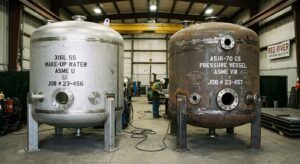
Which Materials Suit Make-Up Water Service?
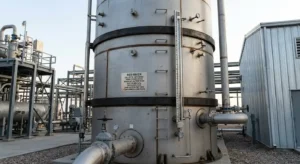
How Big Should Make-Up Water Tanks Be?
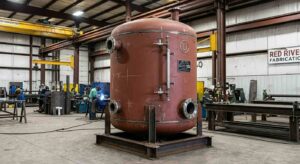
Make-Up Water Tanks: Design, Sizing, and Fabrication
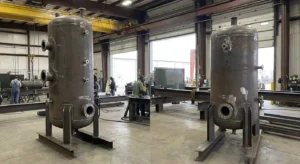
When to Spec Equalization Tanks for Industrial Systems
How Do Equalization Tanks Balance Flow?
About Author



