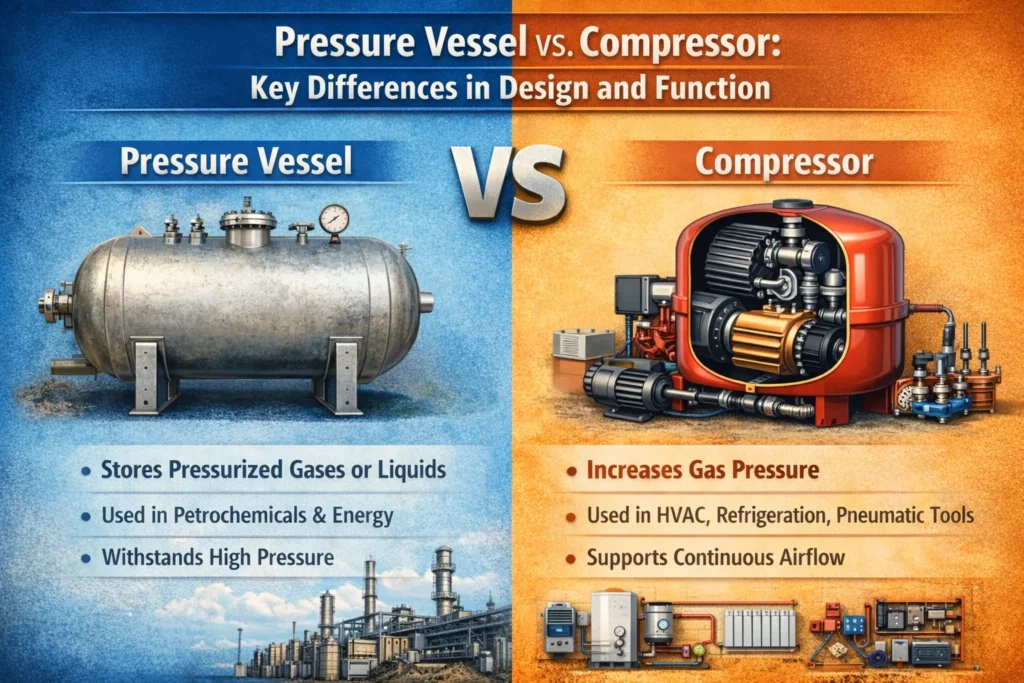
In many industrial systems, both pressure vessels and compressors are essential components, but they serve vastly different purposes. Pressure vessels store pressurized liquids or gases, while compressors increase the pressure of gases by reducing their volume. Understanding the core functions and applications of each will help industries make informed decisions when selecting the right equipment in the context of Pressure Vessel vs. Compressor.
Understanding the Core Functions of Pressure Vessels and Compressors
Pressure Vessels
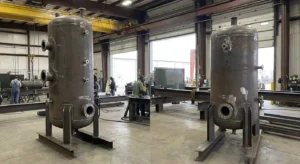
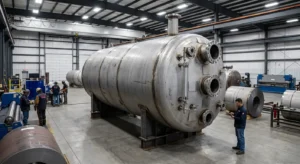
Pressure vessels are specialized containers designed to safely hold liquids or gases under high pressure. Used across industries like petrochemicals, manufacturing, and energy, they are integral for processes requiring the storage of pressurized substances. For a deeper dive into industrial applications, you can explore our services page.
Compressors
Compressors are machines that take in air or gas and compress it, increasing the pressure before moving it to another location. These machines are vital in systems requiring continuous airflow, like HVAC systems or pneumatic tools. For more on compressors in industrial systems, read our blog on compressor maintenance.
Key Operational Differences: Pressure Vessels vs Compressors
Pressure Vessels
Their primary job is to securely contain gases or liquids under pressure, ensuring safety during processes that require pressurized substances.
Compressors
Compressors focus on increasing the pressure of gases and ensuring their efficient movement. They are essential for systems like refrigeration, air conditioning, and industrial air tools that require a constant flow of compressed air.
Design Considerations and Functionality
Pressure Vessel Design
Pressure vessels are designed to withstand immense internal pressure, using materials like carbon steel, stainless steel, and alloys. Their wall thickness and material choice depend on the pressure they need to handle.
Compressor Design
Compressors consist of moving parts that require motor power to compress air or gas. These machines are designed for applications needing quick pressure changes, such as refrigeration or pneumatic systems. If you’re looking for custom compressor designs, take a look at our design services.
Application Areas: Where Pressure Vessels and Compressors are Used
Pressure Vessel Applications
Found in chemical processing, brewing, food production, and energy industries, pressure vessels safely store liquids and gases under pressure, supporting numerous industrial applications.
Compressor Applications
Compressors are used in systems that require continuous airflow, including HVAC systems, refrigeration systems, and pneumatic tools. They ensure the movement of air and gas at required pressures. For more on HVAC-related services, check out our blog on HVAC systems optimization.
Maintenance Best Practices for Pressure Vessels and Compressors
Pressure Vessel Maintenance
Regular inspections are crucial due to the high stresses they endure. Proper maintenance, including safety valves and pressure checks, ensures their reliability and safety. For more details on our maintenance services, visit our page.
Compressor Maintenance
Compressors require regular maintenance, such as replacing worn parts and maintaining proper lubrication, to ensure consistent performance and prevent system failure. Explore more about our compressor maintenance offerings in our service page.
Materials and Construction: The Building Blocks of Pressure Vessels and Compressors
Pressure Vessel Components
Constructed from strong materials like carbon steel and stainless steel, these vessels are engineered to withstand high pressures and harsh environments without compromising safety.
Compressor Components
Compressor parts are made from durable metals like cast iron, steel, and aluminum, designed to endure the intense stress of compression while maintaining long-lasting reliability.
System Integration: Pressure Vessels and Compressors in Action
Pressure Vessels in Industrial Systems
In systems like steam generation or chemical plants, pressure vessels work alongside equipment like boilers and condensers to safely store pressurized fluids for energy production or chemical reactions.
Compressors in Operational Systems
Compressors are key players in refrigeration systems, HVAC, and pneumatic tools, compressing gas or air to ensure efficient operation and functioning in these systems.
Energy Consumption: How Pressure Vessels and Compressors Impact Efficiency
Energy Use in Pressure Vessels
While pressure vessels are not major energy consumers, they are part of larger energy-consuming systems like steam generation. Their efficiency and insulation can help reduce energy consumption.
Energy Use in Compressors
Compressors are substantial energy consumers, requiring significant power to compress gas or air. However, newer, energy-efficient models are reducing operating costs and energy footprints.
Advancements in Technology: Improving the Durability and Efficiency of Pressure Vessels and Compressors
Pressure Vessel Innovations
Advancements in material science and design have made modern pressure vessels safer, more durable, and more efficient, requiring less maintenance and offering better long-term value.
Compressor Innovations
Modern compressors have evolved to become quieter, more energy-efficient, and more adaptable. Features like smart technology adjust compressor output based on demand, prolonging the life of these machines.
Sustainability Focus: Eco-Friendly Solutions for Pressure Vessels and Compressors
Sustainable Pressure Vessels
Pressure vessels are increasingly being used in eco-friendly applications such as energy storage, water purification, and wastewater treatment, supporting sustainable industrial processes.
Green Compressors
Today’s compressors are designed with sustainability in mind, utilizing refrigerants with low environmental impact and energy-efficient technology to minimize carbon footprints and reduce emissions. Manufacturers are also exploring ways to make compressors both highly functional and environmentally responsible.
The Evolution of Pressure Vessels and Compressors in Modern Industry
Pressure vessels and compressors are at the forefront of industrial innovation, evolving to meet modern needs. Their roles continue to grow, supporting industries and helping power essential systems worldwide.
Your Trusted Partner in Pressure Vessel & Compressor Solutions
When selecting the right equipment for your needs, Red River is your trusted partner. We specialize in the design, manufacturing, and fabrication of pressure vessels, compressors, and related systems. Whether you need pressure vessels for high-pressure applications or compressors for continuous airflow, we deliver reliable, high-quality solutions. Reach Out to Us Today. Experience the Red River difference, an American-made product, American values. We prioritize your needs and provide tailored solutions that support your operations efficiently.
Frequently Asked Questions
1. What is the primary difference between a pressure vessel and a compressor?
A pressure vessel stores fluids under pressure, maintaining containment for gases or liquids. A compressor increases the pressure of a gas by reducing its volume.
2. Can a pressure vessel be used as a compressor or vice versa?
No, pressure vessels and compressors serve distinct purposes. Pressure vessels store pressurized fluids, while compressors create and maintain pressure, making them non-interchangeable.
3. What are the safety considerations for operating pressure vessels and compressors?
Both require regular maintenance and safety protocols. Pressure vessels must include safety valves, while compressors need proper ventilation and cooling systems to prevent overheating.
4. How do you determine the right size and type of pressure vessel or compressor for a specific application?
Selection depends on factors such as fluid volume, desired pressure levels, and gas flow rates. Consulting with engineers ensures equipment matches operational needs.
5. Are there any legal or regulatory standards that govern the use of pressure vessels and compressors?
Yes, various standards govern their design, construction, and maintenance, ensuring safety and compliance. Regulations vary by country and industry.
Key Takeaways
- Pressure vessels store pressurized fluids for safe containment, while compressors increase gas pressure and facilitate its movement through systems.
- Pressure vessels are primarily used in storage and safe containment, whereas compressors are essential for continuous airflow and gas pressurization.
- Both pressure vessels and compressors require regular maintenance, with safety features like valves and ventilation systems to ensure safe operation.
- Modern innovations in both pressure vessels and compressors have improved energy efficiency, durability, and sustainability.
- Selecting the right equipment requires understanding specific operational needs, such as gas flow, volume, and pressure levels.
Related Blog Post
Which Materials Suit Make-Up Water Service?
How Big Should Make-Up Water Tanks Be?
Make-Up Water Tanks: Design, Sizing, and Fabrication
When to Spec Equalization Tanks for Industrial Systems
How Do Equalization Tanks Balance Flow?
No subpillar set for this blog post.