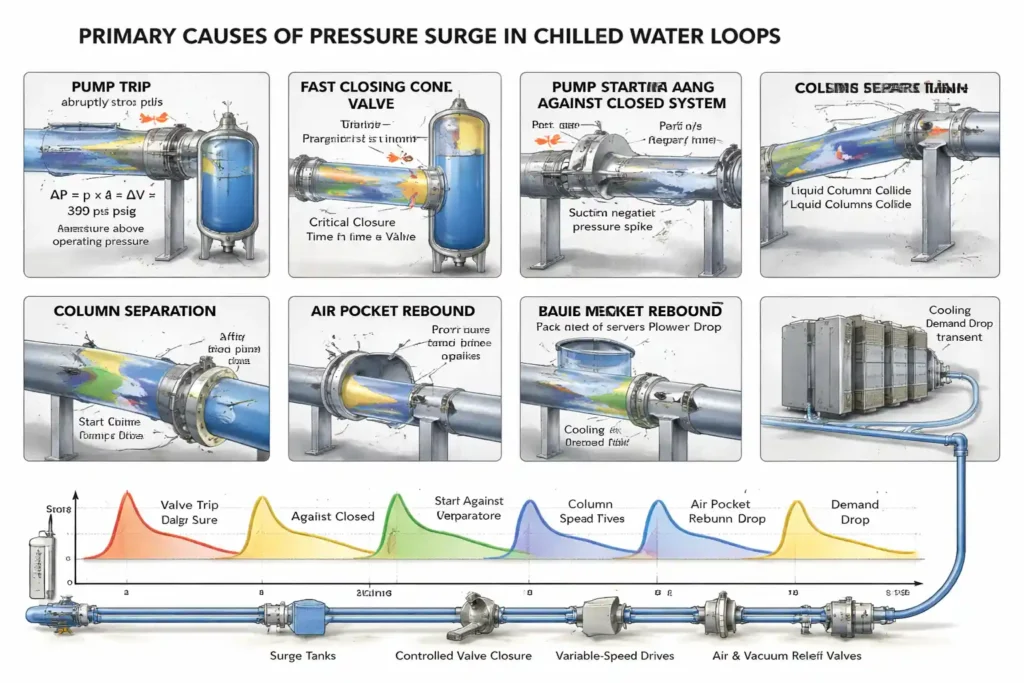
Pressure surge in cooling loops occurs when pumps stop, valves close too quickly, or flow changes outpace system response, creating water hammer pressure waves. This guide for engineers, facility managers, and data center operators explains surge causes, how to estimate severity, and how to prevent equipment damage. Left unmanaged, surge can cause catastrophic pipe, pump, or valve failure in milliseconds.
The Physics of Pressure Surge in Liquid Systems
What causes pressure surge in cooling loops? In chilled water and cooling water systems, rapid changes in flow velocity can generate destructive pressure waves that travel through piping at the speed of sound. Events such as pump trips, fast valve closures, sudden load changes, and column separation create transient pressure spikes capable of exceeding the pressure rating of pumps, valves, and piping within milliseconds. Understanding the root causes of pressure surge is critical for mechanical engineers, facility managers, and data center operators who need to prevent water hammer damage, reduce downtime, and maintain reliable cooling system operation.
Primary Causes of Pressure Surge in Cooling Loops
Several common events can cause pressure surge in chilled water and cooling water systems, each creating different pressure transient patterns and equipment risks, highlighting the importance of cooling water hammer prevention in system design and operation.
Pump Trip or Sudden Shutdown
Pump trips are one of the most severe causes of pressure surge. When a pump suddenly stops because of a power failure, motor fault, or emergency shutdown, flow velocity drops rapidly and creates a water hammer pulse that travels through the piping system. In low-inertia variable-speed pumps, this pressure spike can occur almost instantly.
Fast Valve Closure
Control valves, isolation valves, and check valves that close too quickly can generate water hammer. If valve closure occurs faster than the system’s critical closure time, the moving fluid column is forced to stop abruptly, producing a damaging pressure spike.
Pump Start Against a Closed System
Starting a pump against a closed or nearly closed valve rapidly accelerates the fluid column, creating pressure surges on both the suction and discharge sides of the system. Variable-frequency drives (VFDs) help reduce this risk by gradually ramping pump speed.
Column Separation and Rejoining
When system pressure drops below the fluid vapor pressure, vapor pockets can form inside the pipeline. As pressure returns, the separated liquid columns collide violently, often creating secondary surge events more severe than the initial pressure wave.
Rapid Flow Demand Changes
Sudden cooling demand changes common in data centers and industrial facilities can force the system to adjust flow faster than the loop can respond. These rapid flow shifts create transient pressure fluctuations throughout the piping network, making transient pressure analysis important for identifying surge risk and protecting critical equipment.
Air Pocket Collapse
Air trapped in high points or stagnant sections of piping can compress during a surge event and then rebound, releasing additional pressure waves into the system. Instead of absorbing surge energy, accumulated air pockets can amplify pressure spikes.
How Surge Severity Varies by System Type
Not all cooling loops experience the same level of pressure surge risk. Surge severity depends on several key system characteristics.
Flow Velocity
Flow velocity is the most important factor because surge pressure increases directly with changes in fluid velocity. Higher-velocity systems store more kinetic energy in the moving fluid, which results in significantly larger pressure spikes during pump trips or rapid valve closures. Even small increases in design velocity can dramatically raise the severity of water hammer events.
Pipeline Length
Longer pipelines contain a larger mass of moving fluid and therefore store more total kinetic energy. As a result, pressure surges not only travel farther but can also last longer as pressure waves reflect through the system. This increases the likelihood of multiple surge interactions at valves, fittings, and branch connections across the loop.
System Inertia
System inertia refers to how slowly a pump decelerates after shutdown. Pumps with high rotating inertia slow down more gradually, reducing the rate of velocity change and helping to limit surge intensity. In contrast, low-inertia variable-speed pumps commonly used in data centers can stop very quickly during power loss, creating sharper and more severe pressure transients.
Multiple Pump Operation
In systems with parallel pumps, surge can occur when one pump trips while others continue operating. The remaining pumps continue pushing flow into a suddenly unbalanced system, causing rapid flow redistribution and pressure fluctuations throughout the loop. These transient conditions can amplify surge effects and stress piping, valves, and fittings if not properly managed.
Surge Protection Methods for Cooling Loops
Several methods are used to reduce pressure surge in chilled water and cooling water systems.
- Surge Tanks: Surge tanks absorb pressure waves by providing additional volume for fluid expansion during transient events. They are one of the most effective protection methods for large cooling loops.
- Controlled Valve Closure: Slowing valve closure time reduces the sudden deceleration of flow that causes water hammer. Programmable actuators and staged closing sequences are commonly used to minimize surge.
- Variable-Speed Drives (VFDs): VFDs reduce surge by gradually ramping pump speed during startup and shutdown. This lowers the rate of velocity change and reduces pressure spikes.
- Air and Vacuum Relief Valves: Air release and vacuum relief valves prevent trapped air buildup and reduce the risk of column separation and secondary surge events. These valves are especially important at pipeline high points.
Surge Protection Equipment Comparison Table
| Protection Method | Best For | Main Benefit | Limitation |
| Surge Tank | Large loops | Absorbs pressure waves | Requires space |
| VFD | Pump startup/shutdown | Reduces velocity change | Limited during power failure |
| Air/Vacuum Valve | High points | Prevents column separation | Requires maintenance |
| Slow-Closing Valve | Isolation events | Reduces water hammer | Slower emergency response |
Final Thoughts: What Causes Pressure Surge in Cooling Loops?
Pressure surge in cooling loops is a predictable hydraulic event caused by rapid changes in fluid velocity, not a random system anomaly. Pump trips, fast valve closures, column separation, and sudden load shifts can all generate pressure spikes severe enough to damage piping, pumps, valves, and critical cooling infrastructure if surge protection is not properly designed. By understanding surge mechanics, evaluating system risk factors, and applying the correct combination of surge mitigation methods, engineers and facility operators can significantly improve cooling system reliability, safety, and long-term equipment life.
Protect Your Cooling System From Pressure Surge
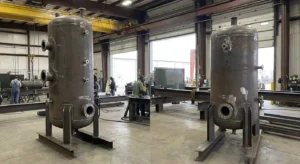
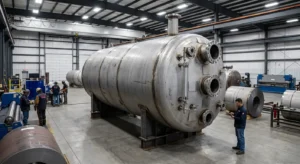
Pressure surge can damage pumps, valves, and piping in seconds, but the right protection strategy can prevent costly failures and downtime. Red River fabricates ASME U-stamp certified surge tanks and pressure vessels engineered for chilled water and cooling loop applications, helping engineers and facility teams keep critical systems protected and operating reliably.
Contact Red River today or call our team to discuss surge protection solutions, vessel sizing, and custom-engineered cooling system support for your project.
Frequently Asked Questions
1. How do surge tanks protect pumps and valves?
Surge tanks absorb pressure waves by providing extra volume for fluid expansion, reducing pressure spikes before they reach equipment.
2. Which NDE methods apply to surge tanks?
Common ASME-required inspections include visual inspection, RT or UT weld testing, and hydrostatic pressure testing.
3. What is a water hammer and how does it relate to pressure surge?
A water hammer is a sudden pressure surge caused by rapid fluid deceleration, usually from pump trips or fast valve closures.
4.How do you calculate the pressure spike from a pump trip?
Pressure surge is estimated using the Joukowsky equation:
ΔP=ρaΔV\Delta P = \rho a \Delta VΔP=ρaΔV
5. Why are data centers particularly vulnerable to pressure surge?
Data centers use high-flow chilled water systems with rapid load changes, fast valves, and low-inertia pumps that increase surge risk.
Key Takeaways
- Pressure surge occurs when rapid flow changes convert fluid momentum into pressure spikes.
- Common causes include pump trips, fast valve closure, column separation, and sudden flow demand changes.
- Data centers face higher surge risk due to high flow rates and rapid system changes.
- Flow velocity is one of the biggest factors affecting surge severity.
- Surge tanks, VFDs, controlled valve closure, and relief valves help reduce surge damage.
Related Blog Post
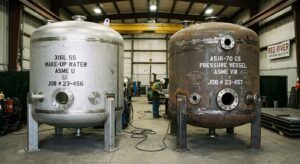
Which Materials Suit Make-Up Water Service?
How Big Should Make-Up Water Tanks Be?
Make-Up Water Tanks: Design, Sizing, and Fabrication
When to Spec Equalization Tanks for Industrial Systems
How Do Equalization Tanks Balance Flow?
About Author