
Compressed air systems are essential across many industries—from manufacturing to healthcare—and maintaining air quality is paramount. One critical component ensuring dry, contaminant-free air is the desiccant air dryer. But like all mechanical systems, these dryers
Don’t last forever.
If you’ve found yourself asking, “How long does a desiccant air dryer last?”, you’re in the right place. In this comprehensive guide, we’ll cover average lifespans, what impacts longevity, how to extend it, and best maintenance practices to ensure you get the most out of your investment.
A desiccant air dryer removes moisture from compressed air using a desiccant material—typically activated alumina, silica gel, or molecular sieves. These dryers are essential in environments requiring ultra-dry air, such as pharmaceutical production, paint spraying, or electronics manufacturing.
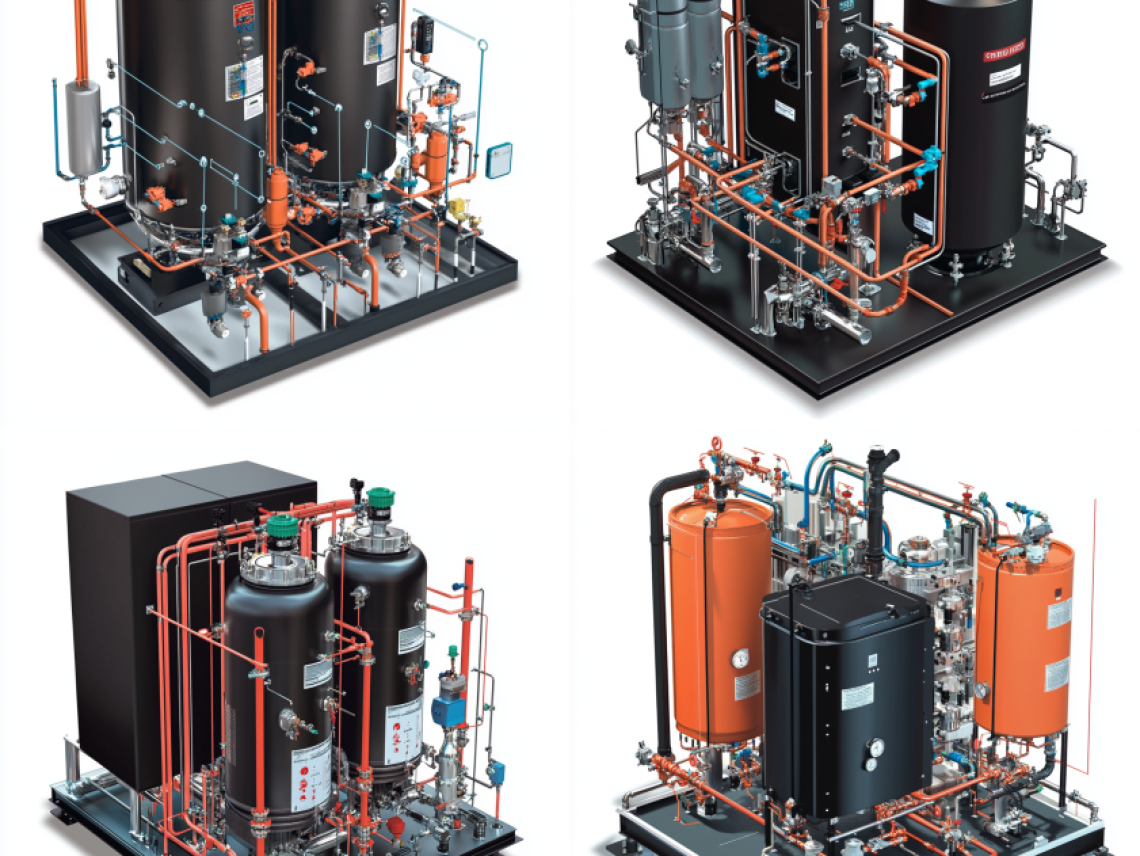
Desiccant dryers operate using twin towers filled with desiccant. While one tower dries the air, the other regenerates, either through heat or purge air. This cycle ensures continuous drying capacity, even in demanding industrial applications.
There are two primary types of desiccant dryers:
Understanding the type of system you use is key to predicting its service life.
Generally, desiccant air dryers last 3 to 10 years, depending on use and maintenance. Some well-maintained systems can exceed a decade, while others might fail prematurely due to poor air quality or irregular service intervals.
Most manufacturers offer guidance on expected service life and provide warranties ranging from 1 to 5 years. However, real-world performance depends heavily on operational conditions, not just product specs.
For example, Atlas Copco notes that desiccant lifespan depends largely on inlet conditions and the air demand source.
A system running 24/7 will naturally experience faster wear than one used intermittently. High duty cycles lead to quicker desiccant saturation and regeneration fatigue.
Environmental extremes—such as high humidity, dust, or corrosive air—can degrade the desiccant material and mechanical components.
Oil, particulates, and water vapor from upstream compressors can contaminate the desiccant. Using pre-filters and coalescing filters is critical to protecting your dryer.
According to the Compressed Air and Gas Institute, poor inlet air quality is among the leading causes of air dryer failure.
Infrequent desiccant replacement, neglecting filters, and failing to monitor dew points can reduce the dryer’s effective life.
Some materials have longer operational lives than others:
Routine desiccant analysis or dew point monitoring helps predict when replacement is needed.
Monthly and quarterly inspections should include:
Don’t wait until the system fails. Replace desiccant based on running hours and dew point trends, not just manufacturer timelines.
Install high-efficiency coalescing filters upstream to remove oil and particulates that damage the desiccant.
Oversizing or undersizing dryers leads to inefficiency and excessive cycling. Make sure the dryer is properly matched to your system’s flow rates.
An unstable dew point is often the first sign of trouble. Dew point monitors and alarms can flag issues early.
Scheduled servicing from experienced professionals, like the team at Red River, ensures that your dryer is always working at peak efficiency and prevents avoidable breakdowns.
A desiccant air dryer is a long-term investment that plays a vital role in maintaining clean, dry air for critical applications. While the average lifespan ranges from 3 to 10 years, factors like maintenance, usage, and environmental conditions ultimately determine how long your system will last.
Being proactive—monitoring dew points, replacing desiccant, and maintaining upstream filtration—can significantly extend the life of your dryer. Whether you’re operating in a food plant or a heavy manufacturing facility, understanding the wear points in your air system helps avoid expensive downtime.
Red River specializes in the design and manufacturing of pressure vessels. We also fabricate related items such as prefabricated spools and skid packages.
Reach out to us today and experience the Red River difference. Where American-made products and American Values come together, we care more.
Desiccant typically needs replacement every 3–5 years, depending on your system’s load, air quality, and environment.
Look for:
Alarm triggers or service lights
Yes, but it must be designed for outdoor use with proper enclosure, drainage, and temperature control.
Install dew point meters, track energy use, and monitor purge cycle efficiency. Regular servicing also helps catch issues early.
If the unit is over 7 years old and experiencing regular failures, replacement may offer better ROI in energy savings and reliability.
Some desiccants can be regenerated; others must be disposed of according to local environmental regulations. Partner with a certified waste handler.
Yes. Trusted brands often offer better design, support, and parts availability, leading to longer service life and reliability.
In the realm of industrial solutions, Red River emerges as a pioneer, offering a diverse range of custom-engineered products and facilities. Among our specialties is the design and production of Custom/OEM Pressure Vessels, meticulously crafted to meet individual client requirements, ensuring performance under various pressure conditions. Our expertise extends to the domain of prefabrication, where Red River leads with distinction.
The company excels in creating prefabricated facilities, modules, and packages, reinforcing its stance as a forerunner in innovation and quality. This proficiency is further mirrored in their Modular Skids offering, where they provide an array of Modular Fabricated Skid Packages and Packaged equipment. Each piece is tailored to client specifications, underlining their commitment to delivering precision and excellence in every project they undertake.


