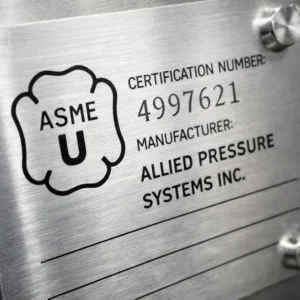
ASME U stamp certification marking on industrial pressure vessel nameplate showing code compliance

What Are the Different Types of Pressure Vessel Codes for Compliance?

Pressure vessel codes set minimum safety rules so vessels don’t fail. ASME BPVC (Section VIII) is the main U.S. build code; API 510 and NBIC cover in-service inspection and repairs. Other regions use equivalents (e.g., EU PED/EN, CSA B51). Stay compliant by matching the right code and buying a stamped vessel (U/U2). What Are the Different Types of Pressure Vessel Codes? A Complete Guide for Buyers and Engineers Many industries rely on pressure vessels to store and process gases or
Read More »
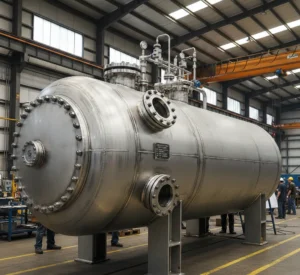
Industrial steel pressure vessel with ASME certification stamps, showing welded seams and flanges in a factory setting

What Is ASME Pressure Vessel Code? Key Insights for You

The ASME BPVC is the global safety code for pressure vessels covering design, materials, welding, testing, inspection, and certification to prevent leaks/ruptures. Most industrial vessels over -15 psi must follow it; Section VIII is the main pressure-vessel section (Div 1/2/3 by pressure level), and the 2025 update aims to clarify rules and improve layout. What is ASME pressure vessel code You’ve probably seen or heard about heavy-duty containers that hold gases or liquids under pressure. If you’ve ever wondered how

Read More »
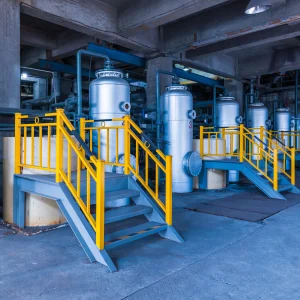
Industrial pressure vessels in manufacturing facility showing safety compliance and code standards

What Are Pressure Vessel Codes? Ensure Quality and Safety

The ASME BPVC is the main safety code for pressure vessels (usually >15 psi), setting rules for design, materials, welding, inspection/testing, and certification to prevent leaks/explosions. Section VIII is the core for most vessels; Section II covers materials. The 2025 update aims to clarify requirements and improve usability. What Are Pressure Vessel Codes and Why They Could Save Lives You’ve probably seen the phrase “what are pressure vessel codes”  in safety manuals or technical specs. These codes are far more

Read More »
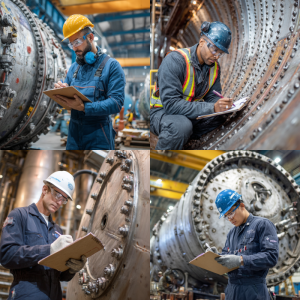
Pressure vessel inspection for safety compliance

What Are Pressure Vessel Safety Standards? Compliance and Safety

Pressure vessel safety standards are critical for preventing accidents and ensuring compliance with regulations like ASME and OSHA. This guide covers the core principles, inspection protocols, and fabrication requirements to keep your systems safe and certified. Pressure Vessel Safety Standards: What You Must Know Pressure vessels play a vital role in industries such as oil and gas, power generation, and chemical processing. Their ability to safely contain high-pressure gases or liquids makes adherence to pressure vessel safety standards not just

Read More »
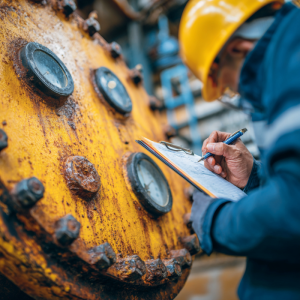
Engineer inspecting pressure vessel material for compliance

Smart Strategies on How to Choose Materials for Pressure Vessels

Choosing materials for pressure vessels involves evaluating operating pressures, temperature ranges, and corrosion risks to ensure safety and longevity. Common materials include carbon steel for general use, stainless steel for corrosive environments, and nickel alloys for high-temperature or chemically aggressive conditions. Always ensure compliance with regulatory codes like ASME and conduct regular inspections to maintain vessel integrity. How to Choose Materials for Pressure Vessels Your choice of materials for a pressure vessel can make or break the safety and longevity

Read More »
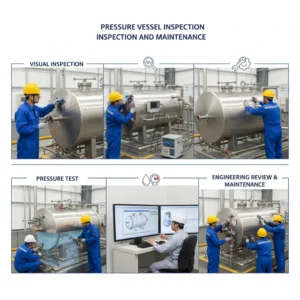
Pressure Vessel Inspection and Maintenance guide for safety and compliance

Pressure Vessel Inspection and Maintenance: RedRiver LLC

Pressure vessel inspection and maintenance keep equipment safe, code-compliant, and performing reliably over the long term. This guide outlines inspection schedules, key checklist items, and proper procedures while highlighting how safety standards shape ongoing care. It also introduces how RedRiver LLC supports teams with expert fabrication, inspection, and full compliance solutions. Understanding Pressure Vessel Inspection and Maintenance for Long Term Safety Pressure Vessel Inspection and Maintenance supports safe operation by making sure vessels remain structurally sound, code compliant, and prepared

Read More »