
The Ultimate Guide on How to Weld in 1G Position
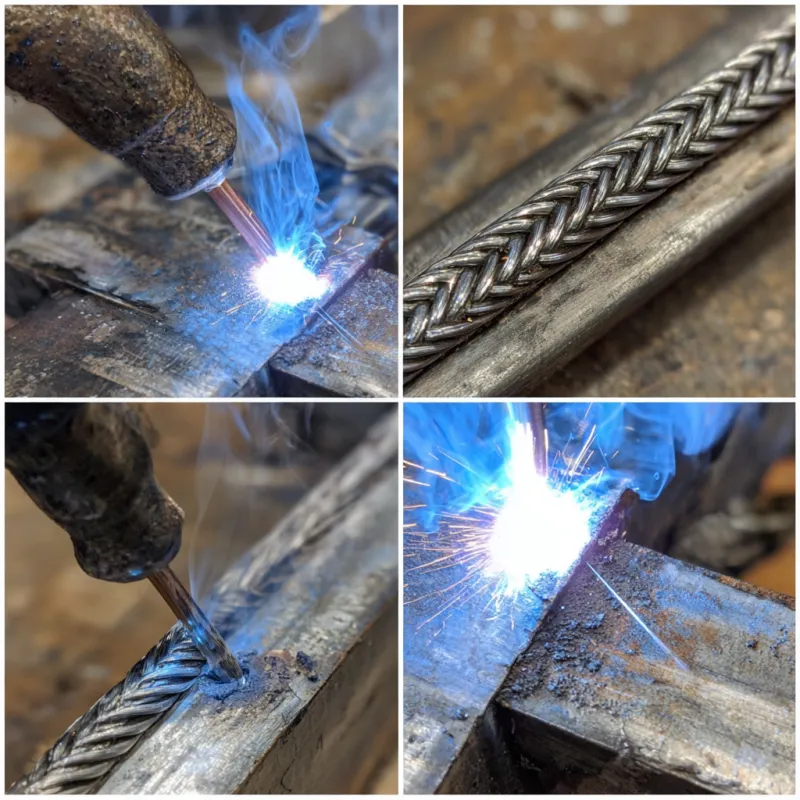
The 1G welding position is a flat or horizontal setup that’s ideal for beginners, providing stability, clear visibility, and easier control over the weld puddle. Mastering 1G builds foundational skills like bead consistency, arc control, and heat management, preparing welders for more advanced positions and projects. Master the Basics of How to Weld in 1G […]
What Does 1G Mean in Welding? Key Insights You Should Know
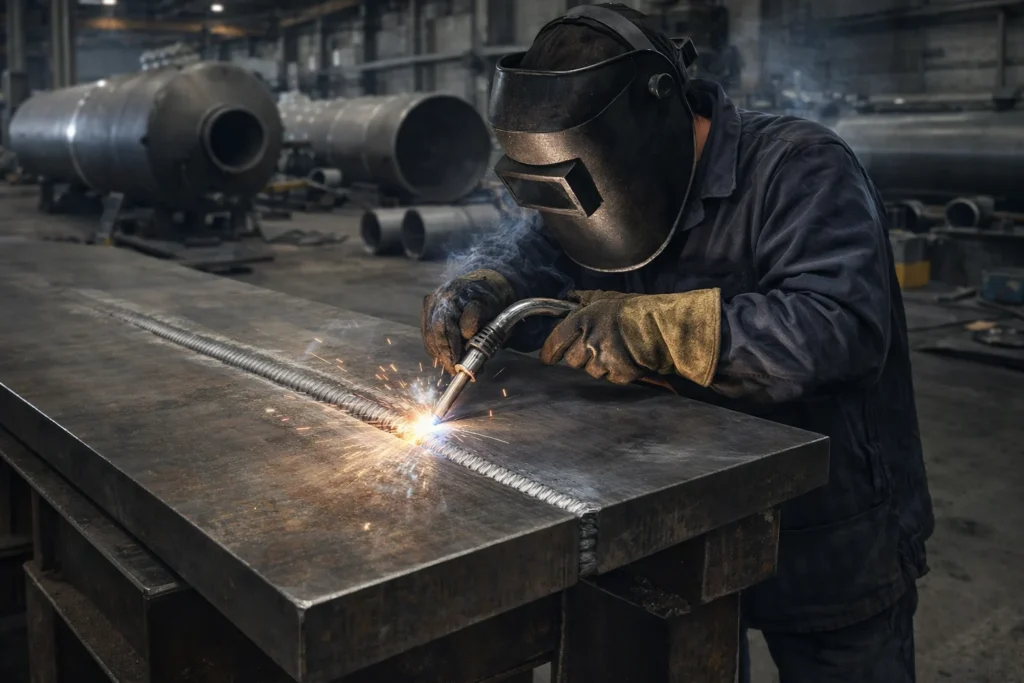
1G in welding means the flat groove position, where the workpiece lies horizontally and the weld is made from above, making it the easiest and most stable position to learn. It’s important because mastering 1G builds fundamental skills like puddle control and travel speed that are essential for advancing to more complex welding positions. Understanding […]
What Is 1G Welding Position? Key Facts You Should Know
The 1G welding position is a flat or horizontal groove setup that’s beginner-friendly, providing stability, clear puddle visibility, and easier control over heat, travel speed, and bead consistency. Mastering 1G builds essential skills and confidence, creating a foundation for progressing to more advanced positions like 2G, 3G, or 6G. Understanding What Is 1G Welding Position […]
Why is 6G Welding Position Important in Your Career
The 6G welding position, with a pipe fixed at a 45° angle, is the most challenging and proves mastery of overhead, vertical, and horizontal techniques in a single weld. Achieving 6G certification demonstrates skill, adaptability, and precision, boosting employability and opening doors to high-stakes industrial projects. Understanding Why is 6G Welding Position Important A warm […]
How to Weld in 6G Position: Mastering the Art
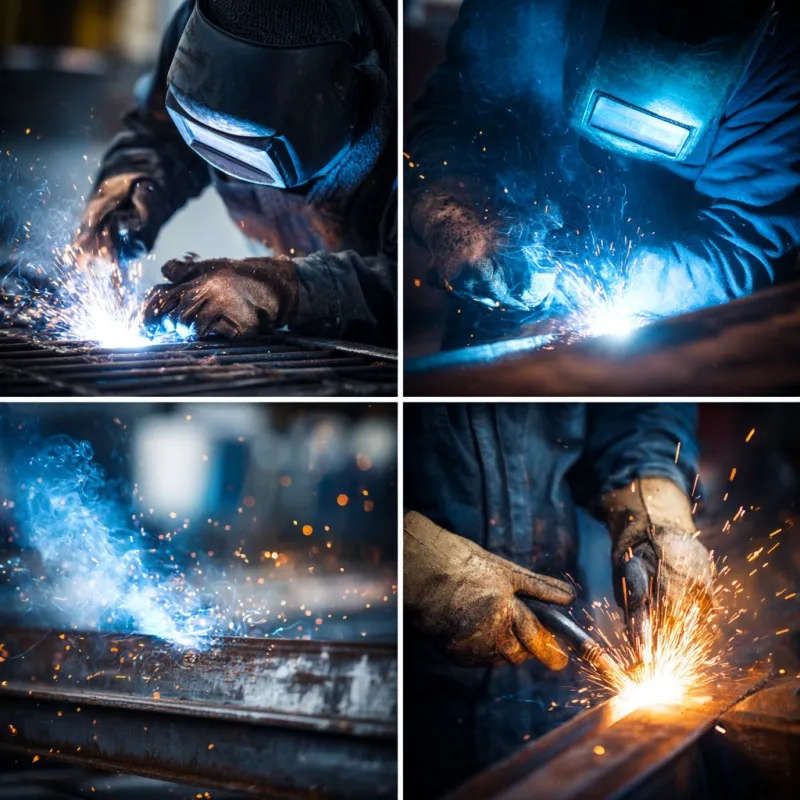
The 6G welding position fixes a pipe at a 45° angle, requiring welds in multiple orientations and full circumferential coverage, making it a key skill for advanced pipework. Mastery involves proper equipment, joint prep, technique, and safety, and demonstrates adaptability, precision, and readiness for complex industrial projects. Why Learning How to Weld in 6G Position […]
Which Welding Position Is the Easiest?
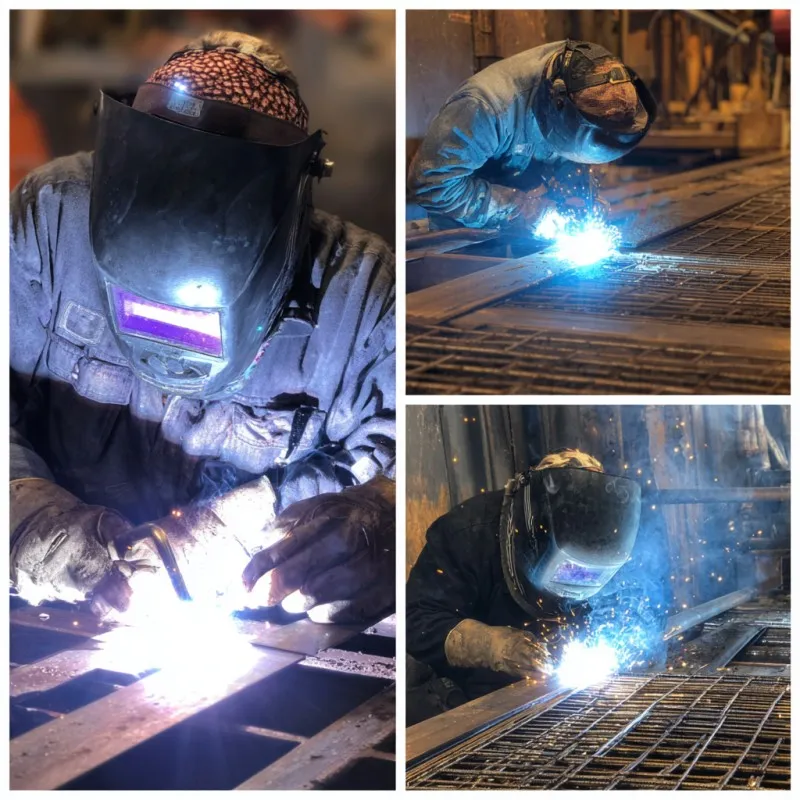
The flat (1G) welding position is the easiest for beginners because it provides a level surface, better visibility, and easier control of the weld pool. Mastering flat welding builds foundational skills that make progressing to horizontal, vertical, and overhead positions safer and more effective. Understanding Which Welding Position Is the Easiest If you are just […]
The Essential Guide: How Many Types of Welding Positions Are There?
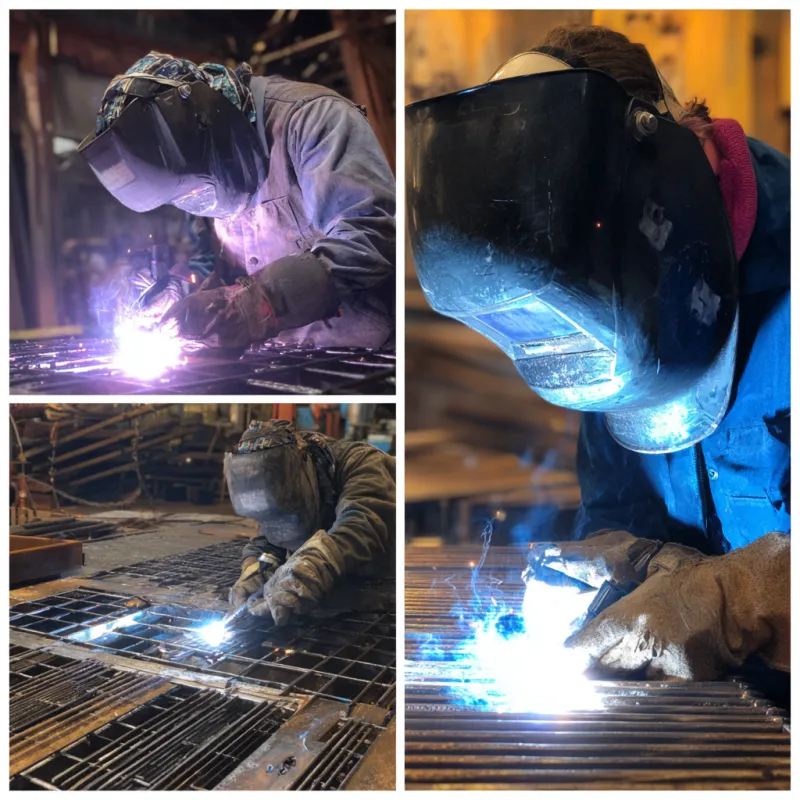
There are six main groove welding positions (1G–6G) and four fillet positions (1F–4F), each testing different angles and skills. Beginners should start with the flat 1G position to build fundamentals before progressing to horizontal, vertical, overhead, and advanced pipe positions like 5G and 6G. Understanding How Many Types of Welding Positions Are There When learning […]
What Are the Different Welding Position Types and Their Benefits?
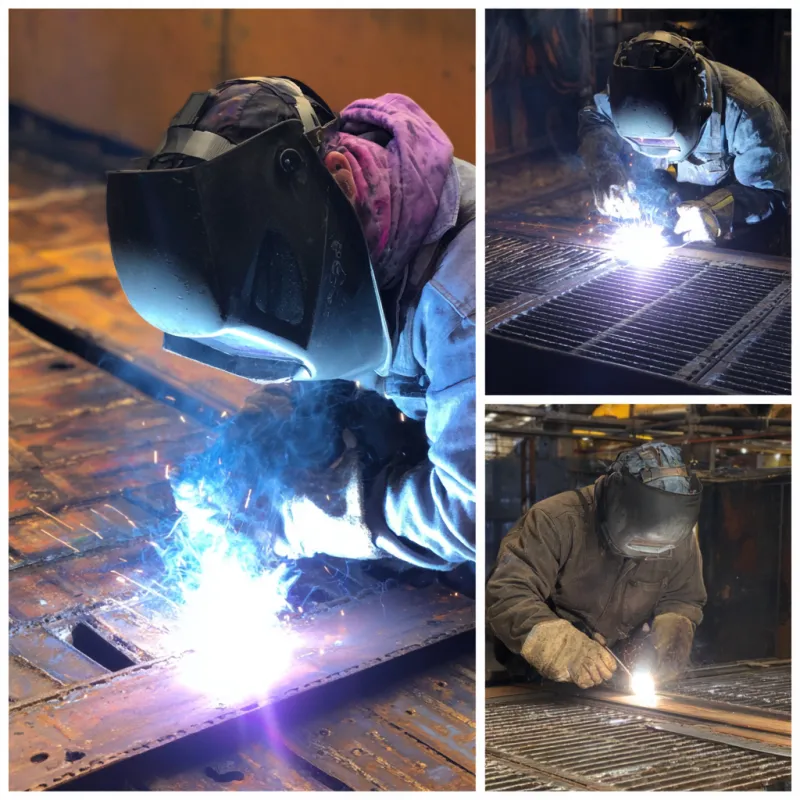
Welding positions range from 1G (flat) to 6G (angled pipe), each affecting technique, safety, and weld quality. Beginners start with easier positions like 1G, while mastering advanced ones like 6G improves skill, versatility, and efficiency for real-world projects. Understanding What Are the Different Welding Position Types You may find yourself asking, “What are the different […]
How a Glycol System Works
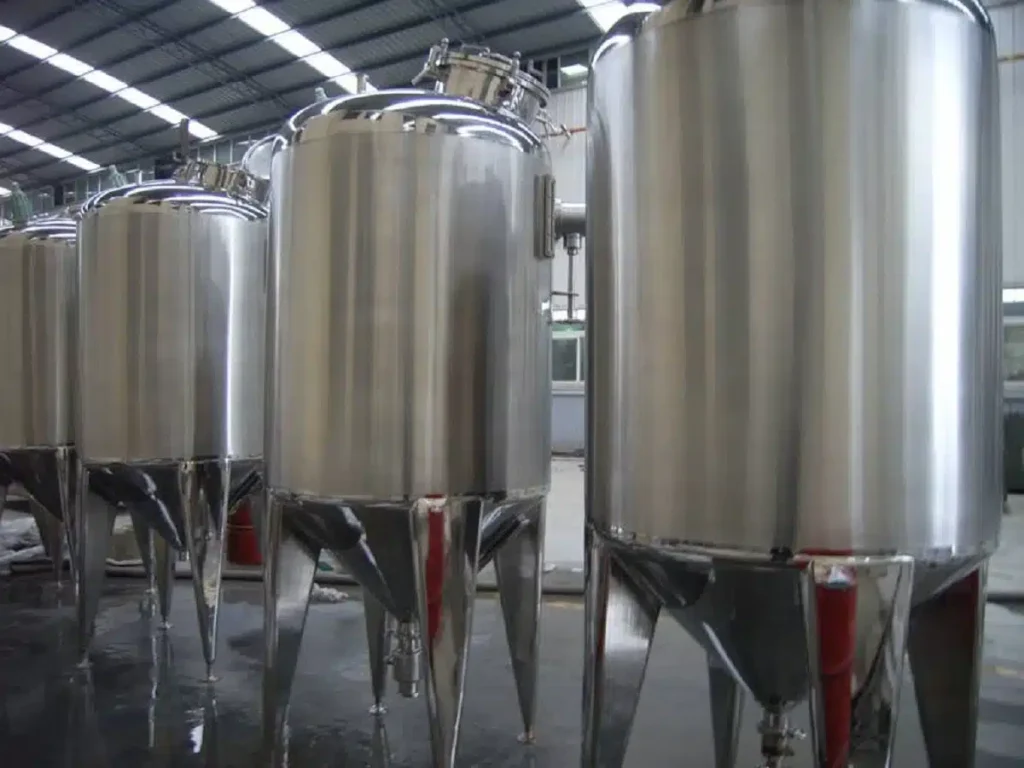
Glycol systems circulate ethylene or propylene glycol through industrial processes to efficiently transfer heat, prevent freezing, and maintain stable temperatures. They are critical in industries like oil and gas, power generation, biogas, and HVAC for reliable, energy-efficient operations. Introduction to Glycol System Operations A glycol system actively manages and controls the flow of glycol fluids […]
Ethylene Glycol Water: A Complete Heat Transfer Guide
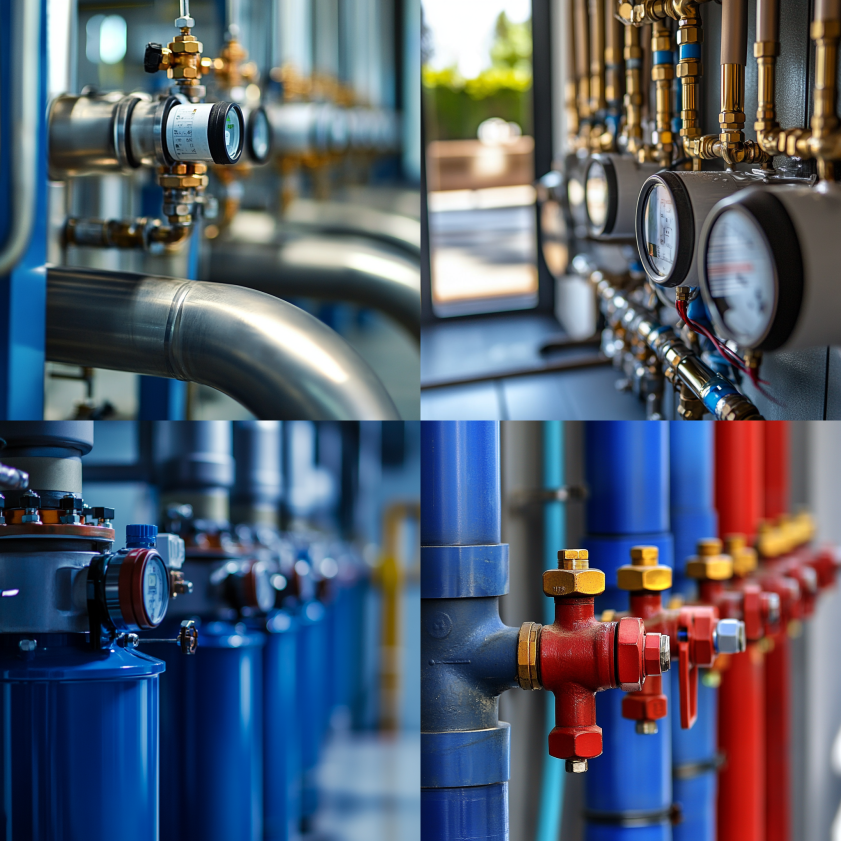
Ethylene glycol water mixtures provide essential freeze protection, corrosion resistance, and system reliability for HVAC, refrigeration, and industrial applications. While pure water transfers heat more efficiently, adding ethylene glycol safeguards equipment in extreme temperatures and harsh conditions. Ethylene glycol water plays a crucial role in cooling and heating systems that require freeze protection, corrosion resistance, […]