
Heat-Affected Zone Welding: Critical Transition Region
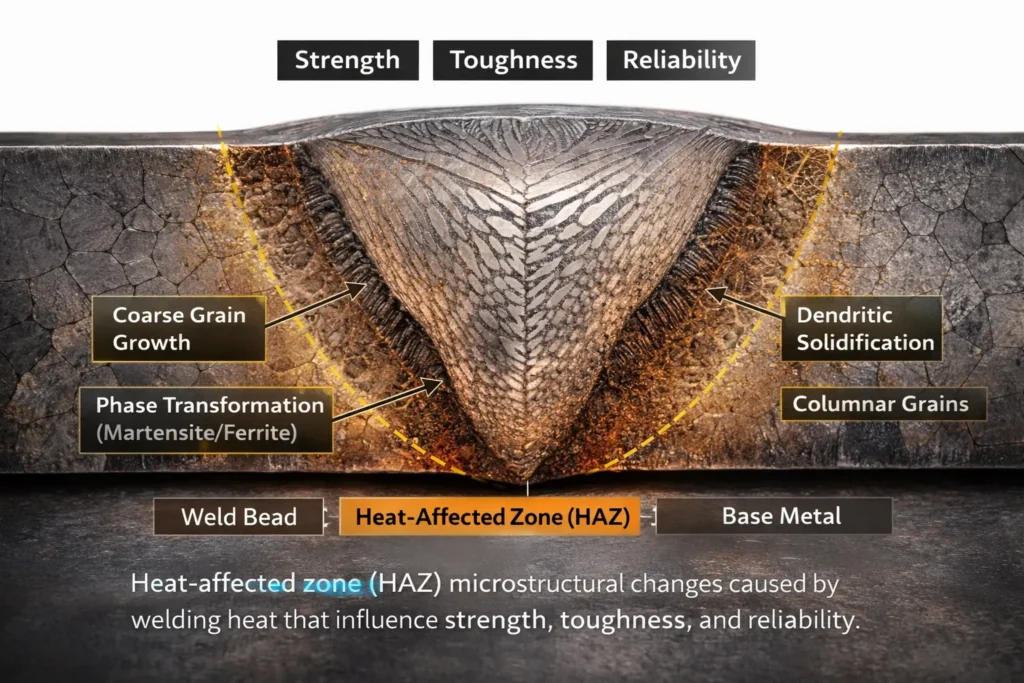
The heat-affected zone (HAZ) is the portion of base metal near a weld that experiences microstructural changes from heat, affecting strength and reliability, and proper control through heat input, pre/post-weld treatments, and material-specific techniques is essential to prevent failures. What Is a Heat-Affected Zone Welding? When it comes to welding quality and structural integrity, what […]
The Role of Non-Destructive Testing Welding Inspection in Manufacturing Quality
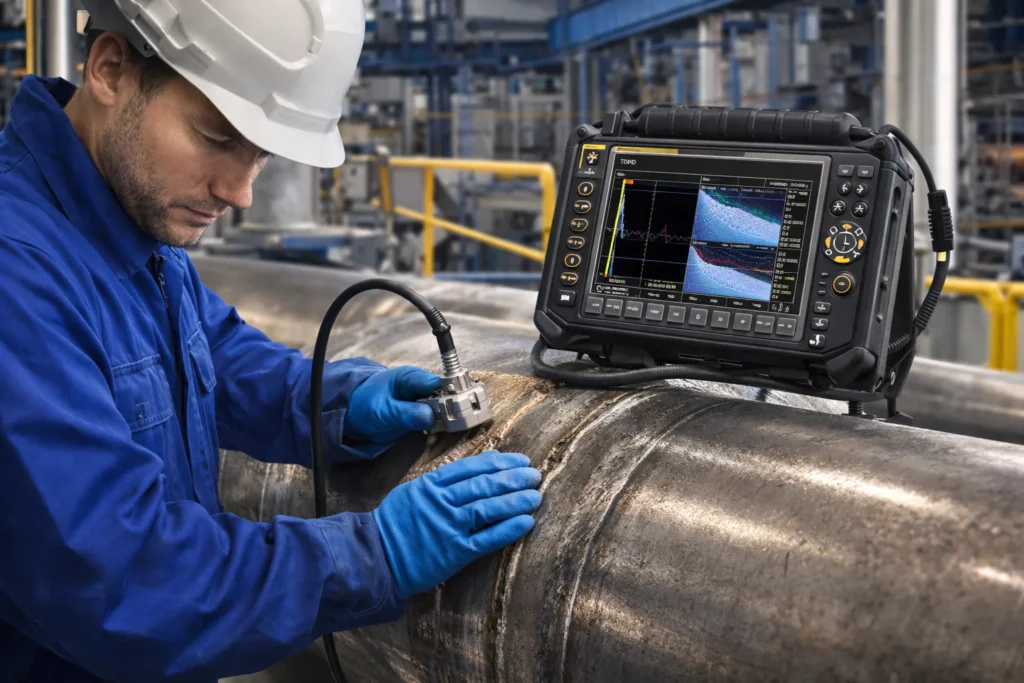
Non-destructive testing (NDT) welding inspection ensures weld quality and structural integrity without damaging components, using methods like visual, ultrasonic, radiographic, magnetic particle, and liquid penetrant testing. Proper NDT programs with qualified personnel and appropriate techniques reduce risk, detect defects early, and enhance overall fabrication safety and reliability. Understanding Non-Destructive Testing Welding Inspection in Modern Fabrication […]
Vessel Welding Joint Preparation for Long-Term Strength

Vessel welding joint preparation is the foundation of safe and durable pressure vessels. Proper joint design, fit-up, positioning, and inspection directly influence weld quality and long-term performance. Vessel Welding Joint Preparation Fundamentals Vessel welding joint preparation is where quality fabrication truly begins. Before welding parameters are selected or an arc is struck, the joint itself […]
Automated Vessel Welding in Modern Manufacturing
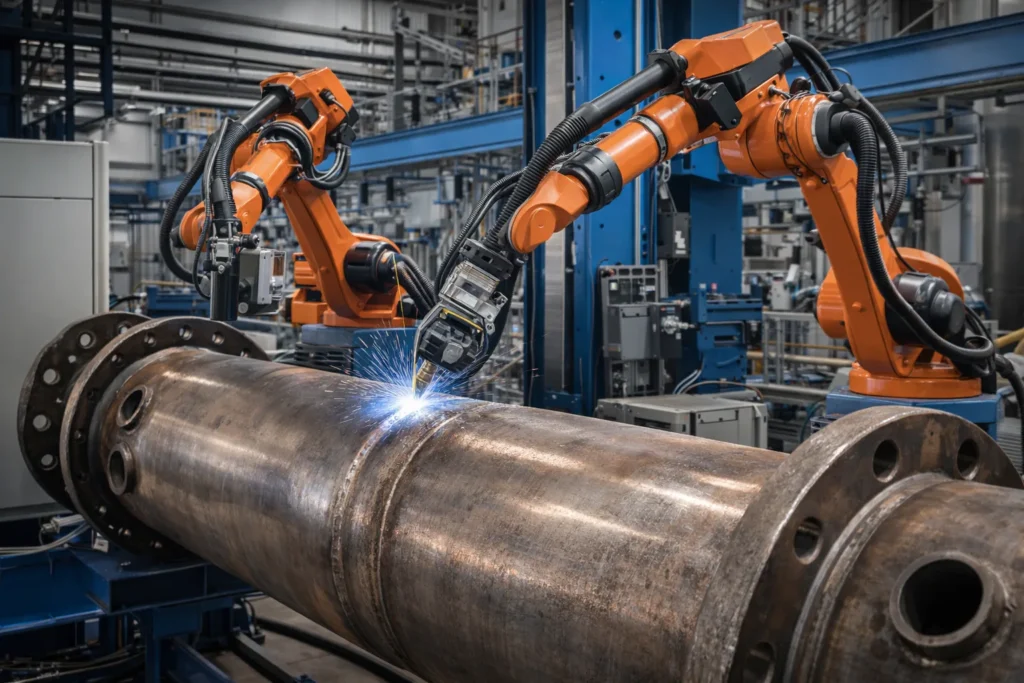
Automated vessel welding has transformed pressure vessel manufacturing by improving weld quality, consistency, productivity, and worker safety while reducing costs. Modern robotic, orbital, and submerged arc systems enable precise, repeatable welds, making automation a key driver of efficiency and compliance in the industry. The Evolution of Automated Vessel Welding In today’s competitive manufacturing landscape, pressure […]
Hygienic Fabrication: Ensuring Food Safety in Processing
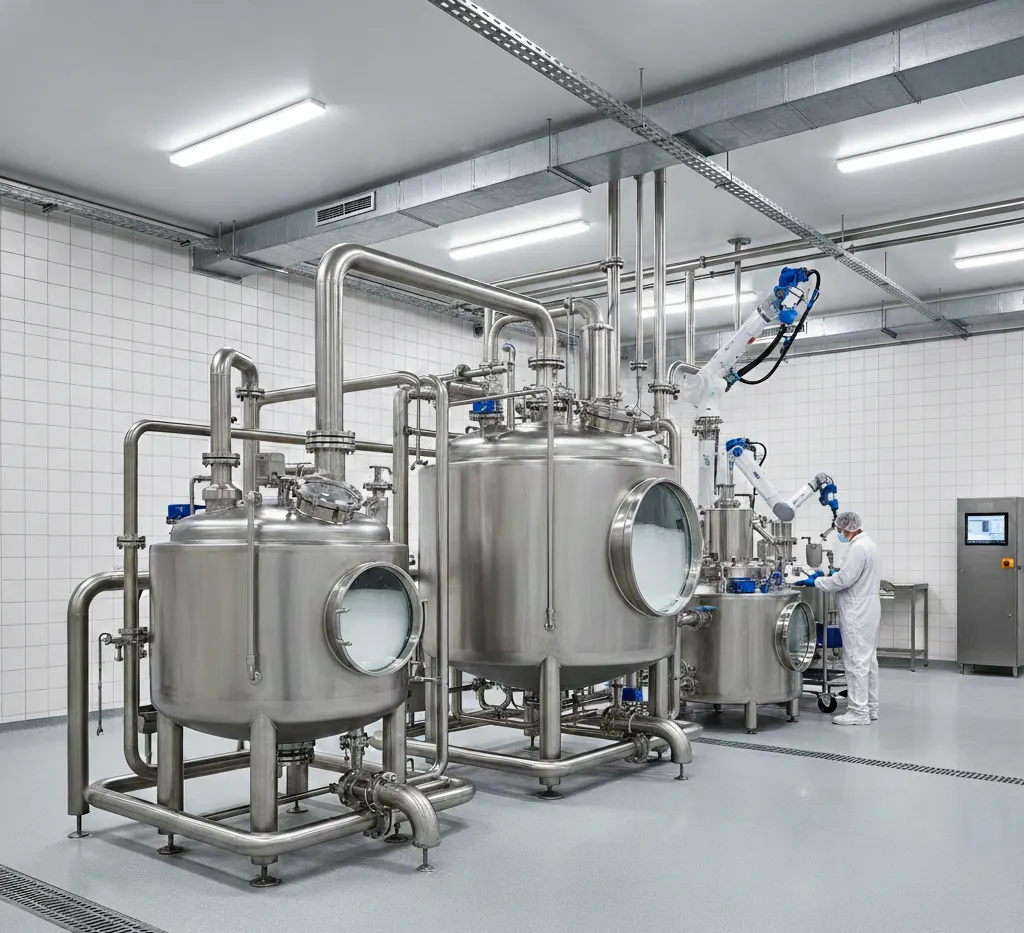
Hygienic fabrication ensures food and beverage equipment is designed and built to prevent contamination through careful material selection, cleanable designs, and precise fabrication techniques. Adhering to industry standards not only safeguards consumer health but also enhances product quality, operational efficiency, and brand reputation. Hygienic Fabrication: Food Safety’s Foundation The food and beverage industry operates under […]
Aerospace Pressure Vessels in Modern Flight and Defense

Aerospace pressure vessels are critical components that store and control gases and fluids under extreme conditions. Their design, materials, and testing standards directly impact safety, mission success, and long-term system reliability. The Critical Role of Aerospace Pressure Vessels Aerospace pressure vessels are engineered containers designed to safely hold gases or liquids at pressures far above […]
DOT Vessel Transport Rules for Pressure Vessels in the U.S.
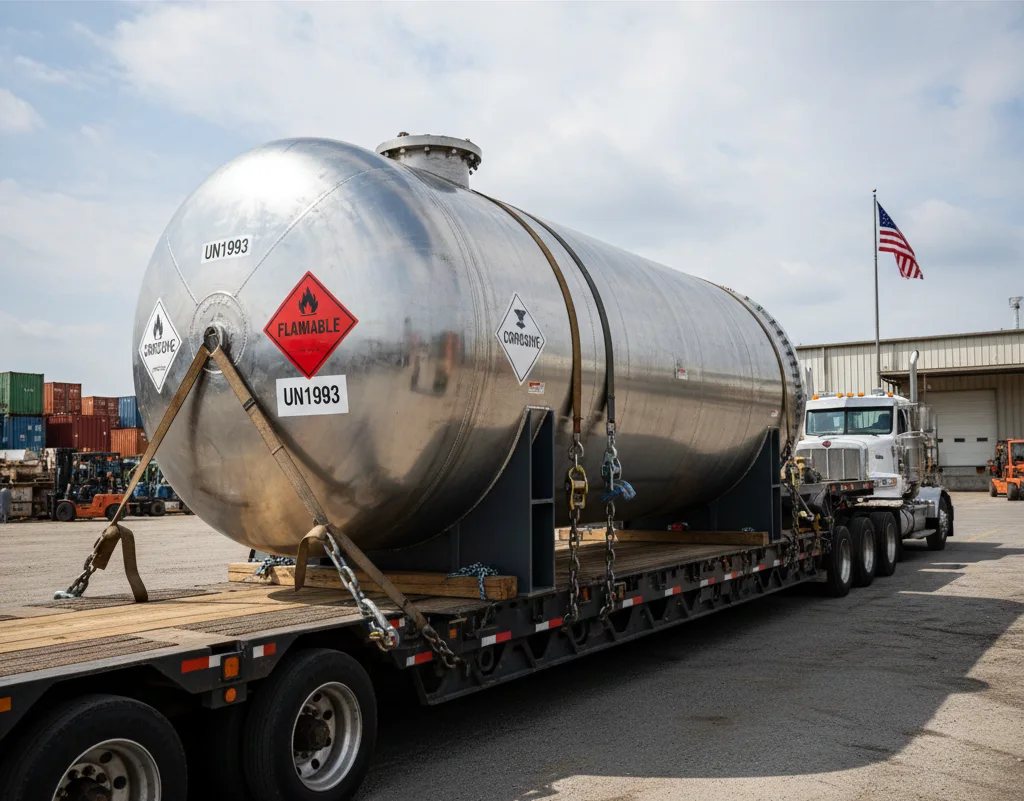
DOT vessel transport rules set strict federal standards for classifying, labeling, packaging, securing, and documenting pressure vessels to ensure safe transport on U.S. highways. Compliance is mandatory and helps prevent accidents, protect people and the environment, and avoid severe penalties, fines, or criminal charges. What Are DOT Vessel Transport Rules? DOT vessel transport rules are […]
Energy Efficiency Compliance in Pressure Vessel Design
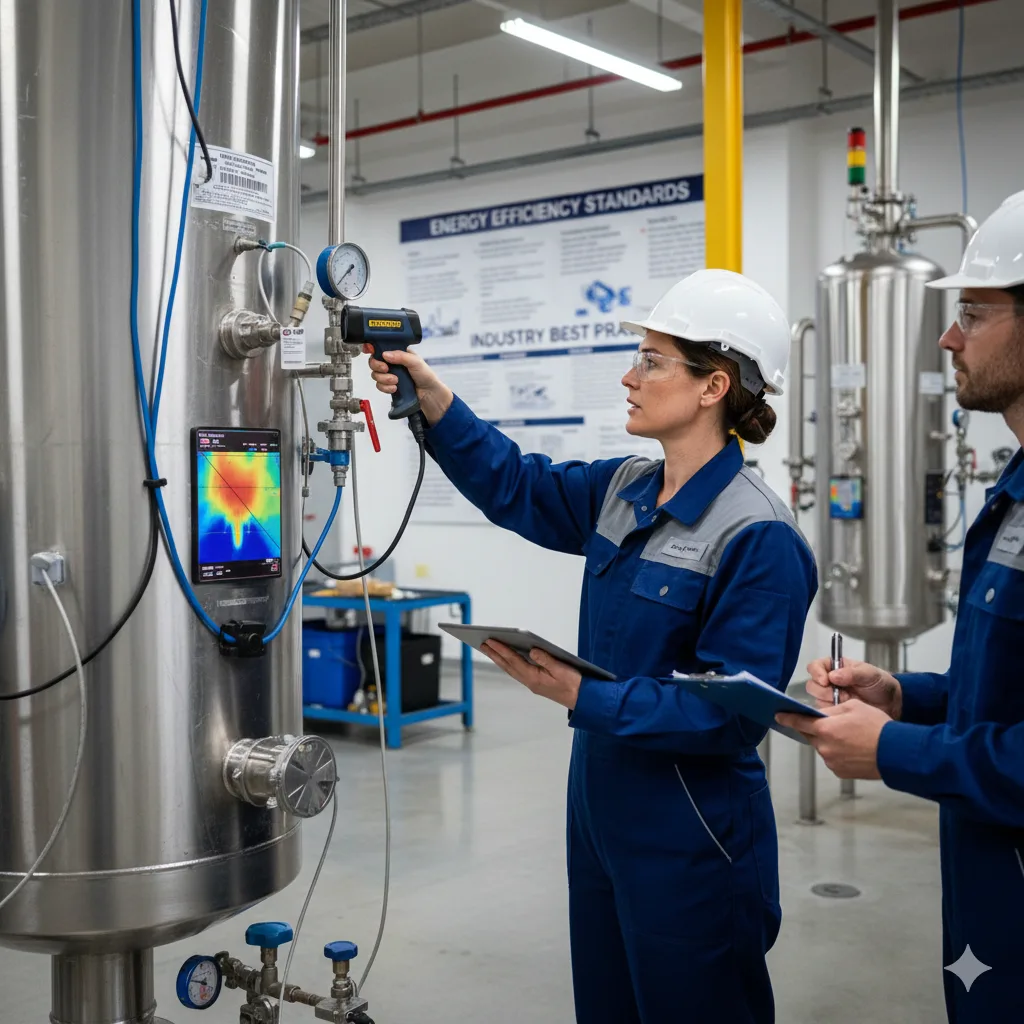
Energy efficiency compliance in pressure vessel design reduces energy waste, lowers operating costs, and supports environmental and carbon reduction goals while meeting regulatory standards. By using proper materials, insulation, smart monitoring, and adhering to ASME, ISO, and DOE guidelines, organizations gain longer equipment life, stronger ESG performance, and a competitive advantage. Why Energy Efficiency Compliance […]
EPA Section 608 Compliance for Refrigerant Pressure Vessels
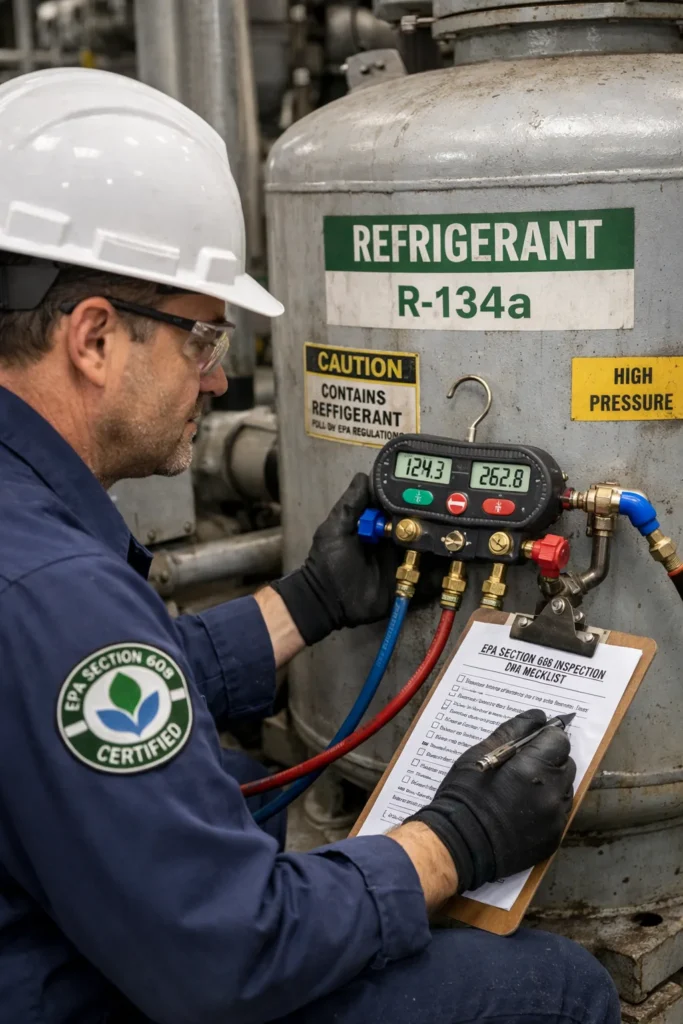
EPA Section 608 Compliance sets strict rules for how refrigerants in pressure vessels are handled, recovered, documented, and disposed of to prevent environmental harm. Following these requirements helps organizations avoid penalties while protecting the ozone layer and supporting sustainability goals. EPA 608 Compliance: Refrigerant Pressure Vessel Regulations Managing refrigerants in pressure vessels requires strict adherence […]
Green Manufacturing Standards for Pressure Vessel Production

Green manufacturing standards are reshaping how pressure vessels are designed and built by reducing environmental impact without sacrificing safety or performance. Adopting these standards supports compliance, efficiency, and long-term operational value. Why Green Manufacturing Standards Matter in Today’s Industry Pressure vessels are essential components across energy, manufacturing, chemical, and processing industries. Designed to safely contain […]