A day in the life of a welder involves precision, safety, and skill. From morning safety checks to advanced welding tasks and teamwork, welders balance technical expertise with physical endurance to produce high-quality work.
Life of a Welder: Daily Overview
Welders at Red River start each day with essential safety briefings, gear inspections, and blueprint reviews to ensure they are prepared for the tasks ahead. These initial steps are crucial to maintaining a safe and efficient work environment, allowing the team to focus on their craft.
A day in the life of a welder combines a variety of welding techniques, including MIG, TIG, and Arc welding. These processes require precision and skill, whether they are working on large industrial projects or intricate custom designs. Beyond welding, the job also involves project management, where welders must track timelines, material needs, and team coordination.
Teamwork is key, as welders collaborate with colleagues to meet project goals and overcome challenges. Welders must also stay vigilant, continuously focusing on safety protocols throughout the day to avoid accidents.
Modern welders at Red River must adapt to diverse work environments, including both indoor and outdoor settings. Regardless of location, the goal is always to ensure top-notch quality and efficiency in every task. In essence, a welder’s day at Red River is a mix of technical expertise, collaboration, and unwavering attention to safety, making it a rewarding and dynamic career.
Key Skills and Certifications for a Welder
A successful welder combines technical expertise, attention to detail, and adherence to safety protocols. Key skills include:
- AWS D1.1 Structural Welding Certification
- Ability to interpret complex blueprints
- Experience with automated and robotic welders
- Physical stamina and focus under pressure
These skills ensure precision and durability in every weld, while certifications and continued education help welders grow professionally.
Starting the Day: Morning Routines of a Welder
Preparing for a Safe Workday
Every welder starts with personal safety checks, including inspecting PPE, verifying tools, and assessing the workspace for hazards. Safety at Red River is a culture, not just a requirement.
Essential Gear and Equipment
Welders suit up in:
- Auto-darkening helmets
- Flame-resistant jackets and aprons
- Cut-resistant gloves
- Steel-toe boots
- Hearing protection and respirators
Daily equipment inspections ensure that leads, clamps, and gas systems function safely and effectively.
Morning Briefings
Toolbox talks are a vital part of a welder’s daily routine, ensuring safety, efficiency, and teamwork on the job. These brief meetings typically cover daily priorities, focusing on the tasks ahead and any potential hazards that may arise during the workday. By addressing these concerns early, welders can mitigate risks and ensure a safer working environment.
During these meetings, updates on consumables such as welding rods, gas, and protective gear are shared. This ensures that welders have everything they need to complete their tasks without delays or interruptions. Toolbox talks also provide an opportunity to reflect on lessons learned from previous tasks, reinforcing the importance of continuous improvement and the application of best practices.
More than just a safety check, toolbox talks strengthen teamwork and accountability within the team. Welders can share insights, ask questions, and discuss challenges, promoting open communication. This collaborative approach fosters a culture of respect and mutual support, enhancing job satisfaction and productivity.
In summary, toolbox talks are not only crucial for safety but also for reinforcing the values of accountability, teamwork, and continuous learning. They play a key role in making each workday more efficient and rewarding.
On the Job: Welding Tasks and Workflow
- Common Welding Techniques: Welders use MIG, TIG, and Arc welding depending on project requirements. Precision, durability, and adherence to ASME standards are essential.
Project Management and Collaboration:
- Welders coordinate with other trades to ensure seamless integration of tasks and efficient workflow.
Adapting to Different Work Environments:
- Indoor workshops and outdoor sites require adaptability. Welders adjust their techniques and PPE use while maintaining safety and quality.
Advanced Welding Technologies and Tools
- Modern Equipment at Red River: Cutting-edge tools and robotic welding systems improve efficiency and ensure precise welds.
Automation and Innovation:
- Automation accelerates production while maintaining consistency. Welders stay updated on emerging technologies to enhance their skills and project outcomes.
Midday: Breaks and Skill Development
- Taking regular breaks helps maintain focus, prevent fatigue, and ensure safety. Welders also use lunch breaks for professional development and peer networking, strengthening team collaboration.
Safety Protocols in a Day in the Life of a Welder
- Red River’s Commitment to Safety: Safety is embedded in every process, from PPE checks to fire prevention and proper ventilation.
Common Hazards and Best Practices:
- Training ensures welders avoid risks such as burns, arc flash, and inhalation hazards.
Ongoing Drills and Training:
- Continuous education reinforces safety culture and prepares the team for real-world challenges.
The Art and Science of Welding
- Precision and Creativity: Welding at Red River blends technical skill with artistry, producing functional and visually precise welds.
Metallurgy Knowledge:
- Understanding metal properties allows welders to select the best techniques for each project, ensuring durability and safety.
End-of-Day Procedures
- Equipment Maintenance: Welders clean and inspect tools to prepare for the next day.
Documentation and Reporting:
- Detailed reports track progress and ensure accountability.
Preparation for Tomorrow:
- Materials and plans are organized, setting the stage for a productive day ahead.
Career Growth for Welders
- Advancement Opportunities: Welders can progress through certifications, leadership roles, and technical specialization.
Continued Education:
- Ongoing training ensures proficiency in emerging welding technologies and industry standards.
Future Trends:
- Knowledge of automation, robotics, and advanced materials positions welders for long-term success.
project experience, and a culture of respect and continuous learning.
A Day in the Life of a Welder: The Rewarding Journey
A day in the life of a welder at Red River is filled with skilled craftsmanship and challenging yet rewarding tasks. From the moment they step onto the job site, welders are immersed in a dynamic environment, working on a variety of projects that require precision and expertise. Whether they are fabricating metal structures or performing repairs, each task is a testament to their craftsmanship.
The job involves using different tools, ensuring safety protocols are met, and constantly adapting to new techniques and technologies. Red River fosters a culture of respect, emphasizing teamwork and continuous learning. This enables welders to enhance their skills and grow in their careers, whether they are working on industrial projects or intricate custom designs.
Beyond the technical aspects, the work provides a deep sense of pride. Welders know their contributions have lasting impacts on structures and products that stand the test of time. In essence, a welder’s life is a blend of precision, innovation, and personal satisfaction, making it a fulfilling and essential career in today’s world.
Ready to Build the Future with Red River?
At Red River, we take pride in craftsmanship, precision, and safety. Whether you’re a welder looking for your next career opportunity or a company seeking top-quality pressure vessels and custom fabrication, we’re here to help.
Contact us today to learn how our skilled team can bring your projects to life with American-made quality and values. Let’s make something extraordinary together.
Frequently Asked Questions
1. What does a day in the life of a welder involve?
A day includes safety checks, blueprint reviews, welding tasks, equipment maintenance, and collaboration with other trades. See our welding certifications for more details.
2. What safety protocols do welders follow daily?
Welders wear PPE, follow fire prevention measures, maintain proper ventilation, and adhere to OSHA standards. More on industrial safety.
3. Which skills are essential for a successful welding career?
Technical skills, blueprint reading, robotic welding experience, physical endurance, and attention to detail are critical. Explore career growth opportunities.
4. How do welders adapt to different work environments?
Welders adjust techniques and PPE for indoor shops or outdoor job sites to maintain quality and safety. Learn about advanced welding tools.
5. How does technology impact a welder’s workflow?
Automation, robotics, and advanced equipment improve efficiency, precision, and safety. Read about pressure vessel projects.
Key Takeaways
- Welders combine technical skill, physical stamina, and safety awareness.
- Daily routines include safety briefings, gear inspections, and blueprint reviews.
- Work environments range from indoor shops to outdoor sites, requiring adaptability.
- Technology, including robotic systems, enhances precision and workflow efficiency.
- Certifications and continuous learning drive career growth and industry leadership.
Related Blog Post
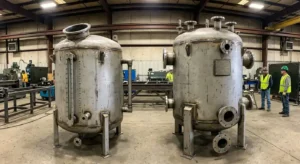
Condensate Tanks: Types, Fabrication, and ASME Code
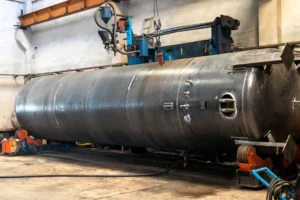
Which Tests Validate Deaeration in Pressure Systems?
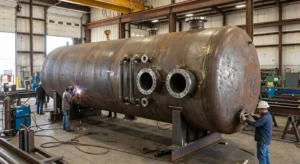
Equalization Tanks: Design, Sizing, and Fabrication
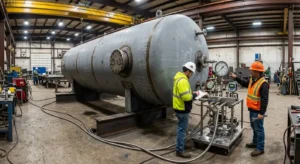
What Are Thermal Storage Testing Standards for TES Vessels?
What Hydro Tests Are Required for Pressure Vessels?
No related articles found.
About Author