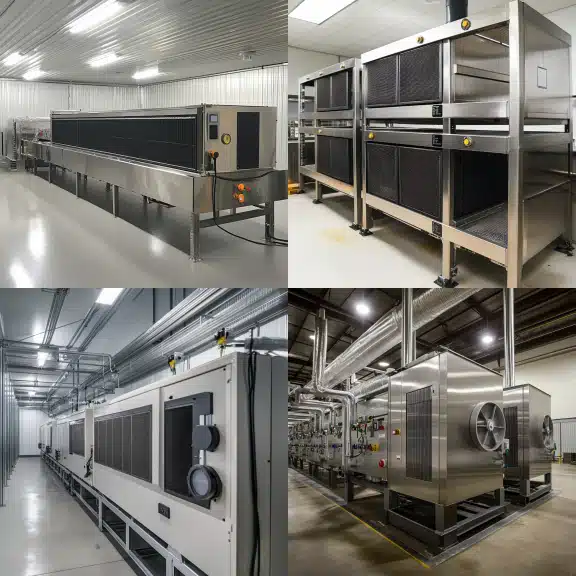
Enhancing Thermal Performance in Dehydrators is one of the most effective ways to improve drying consistency, reduce energy waste, and protect equipment from unnecessary strain. Better thermal control helps you maintain steady process conditions, which supports safer operation in systems that rely on engineered pressure vessels.
Why Enhancing Thermal Performance in Dehydrators Matters
When it comes to dehydrators, thermal performance is more than just a technical element—it directly impacts your system’s efficiency and output quality. At Red River, we recognize the importance of maximizing heat efficiency, particularly in industries such as oil and gas, and biogas processing. By improving thermal performance, businesses can reduce operating risk while increasing throughput.
Energy Efficiency and Cost Savings
Enhanced thermal performance in dehydrators not only boosts production but also provides financial benefits. Efficient warmth distribution reduces the need for excessive energy, cutting down costs. For those seeking operational efficiency, optimized thermal systems offer solutions that enhance both output and energy savings.
Impact on Product Quality
Consistent thermal performance plays a critical role in product quality. Uneven heat distribution can lead to dried or over-processed products, affecting both the marketability and value of your output. At Red River, we specialize in solutions that improve even warmth delivery across the system, ensuring consistent quality and reduced product waste.
Key Design Strategies for Boosting Dehydrator Heat Efficiency
At Red River, we understand that maximizing heat efficiency in dehydrators enhances both performance and productivity. Below are practical strategies to help achieve superior efficiency:
Improving Heat Distribution with Airflow Management
Proper airflow control ensures that heat is evenly distributed throughout the dehydrator, which is critical for consistent drying performance. Well-designed airflow systems help eliminate hot and cold spots that can lead to uneven moisture removal and compromised product quality. By maintaining uniform temperatures, businesses can achieve more predictable results across each batch. This consistency not only improves overall product quality but also reduces waste, reprocessing, and energy inefficiencies.
Optimizing Insulation to Minimize Heat Loss
Insulation plays a vital role in retaining system heat, particularly in environments subject to frequent temperature fluctuations. High-quality insulation minimizes heat loss, allowing the system to maintain stable operating temperatures more efficiently. By using advanced insulation materials, thermal energy is better preserved and directed where it is needed most. This improves overall heat transfer performance while reducing energy consumption and operating costs.
Material Selection for Enhanced Thermal Conductivity
Choosing the right materials for your dehydrator is essential to improving heat transfer and overall system efficiency. Materials with high thermal conductivity allow heat to move more effectively through the system, resulting in faster and more consistent drying. At Red River, we offer tailored solutions that carefully select materials based on operating conditions, temperature requirements, and durability. This customized approach ensures optimal thermal performance while supporting long-term reliability and reduced energy costs.
Advanced Technologies to Enhance Thermal Performance
Leveraging cutting-edge technology allows businesses to gain better control of their thermal systems. By incorporating innovative features, companies improve energy efficiency and enhance product consistency.
Utilizing Smart Controls for Temperature Regulation
The integration of clever manipulation systems permits precise temperature law, which is key to improving both electricity performance and product consistency. These systems can display and regulate the internal temperature in real-time, making sure that heat degrees remain foremost throughout the entire drying technique. By automating temperature modifications, you reduce the threat of overheating or underheating, minimizing waste and energy intake even as retaining exquisite output.
Incorporating Heat Recovery Systems
Heat healing structures are another innovative technology that can dramatically increase efficiency. These systems seize and reuse warmth that might otherwise be lost in the course of the drying system. By redirecting this extra heat returned to the device, electricity needs are reduced, and operational costs are minimized. Incorporating warmness healing no longer only improves thermal efficiency but additionally aligns with sustainable practices, developing precedence in these days’ industrial landscape.
Enhancing Thermal Performance in Dehydrators
Enhancing thermal performance in dehydrators improves efficiency, supports consistent output quality, and protects equipment from avoidable stress. Thermal optimization is most effective when vessel design, airflow control, insulation, material selection, and automation are aligned. Stable thermal conditions also support Pressure Vessel Safety Standards and Compliance by reducing pressure fluctuations, hot spots, and fatigue loading.
With performance-focused vessel fabrication and engineering support, RedRiver LLC helps dehydrator systems operate safely and efficiently over the long term.
Experience the Red River Difference
Ready to improve the efficiency and reliability of your dehydrator systems? Partner with RedRiver LLC to enhance thermal performance, reduce energy costs, and support long-term pressure vessel safety. Contact our team today to discuss a solution engineered for your operation’s specific demands.
Frequently Asked Questions
1. Why is thermal performance crucial in industrial dehydrators?
Thermal performance controls how evenly and efficiently heat moves through the system. Strong thermal stability reduces energy waste, improves drying consistency, and protects equipment from excessive cycling.
2. What are common issues that lower thermal performance in dehydrators?
Typical issues include uneven airflow, insulation gaps, fouled heat transfer surfaces, or materials that do not conduct heat evenly under process conditions.
3. How can smart controls improve dehydrator energy efficiency?
Smart controls maintain steady internal temperature and airflow by adjusting heat input based on demand. This prevents overheating or underheating and reduces unnecessary energy use.
4. What role does heat recovery play in dehydrator performance?
Heat recovery reuses energy that would otherwise leave the system. It lowers total energy demand and improves temperature stability across long dehydration runs.
5. What materials help improve thermal conductivity in dehydrators?
Materials with strong heat transfer properties and corrosion resistance are ideal for heat exchange surfaces and chamber components. The best choice depends on process exposure and operating temperature range.
6. How do thermal improvements support pressure vessel safety?
Stable thermal conditions reduce pressure fluctuation, hot spots, and fatigue exposure. This helps vessels remain compliant with safety expectations and perform reliably between inspections.
Key Takeaways
- Enhancing Thermal Performance in Dehydrators improves efficiency and output consistency.
- Balanced airflow and strong insulation are core drivers of thermal stability.
- Material selection matters for reliable heat transfer and long service life.
- Thermal optimization supports Pressure Vessel Safety Standards and Compliance.
- RedRiver LLC builds vessels designed for stable dehydration at our official website.
Related Blog Post
Pressure Vessel Inspection and Maintenance: RedRiver LLC
How Often Do Pressure Vessels Need to Be Inspected

What Is Pressure Vessel Stress Analysis
About Author