
Ethylene Glycol a Plastic

Understanding Ethylene Glycol
What is Ethylene Glycol?
Ethylene glycol is a versatile organic compound primarily used as an antifreeze and coolant. Moreover, this colorless, odorless, and slightly viscous liquid effectively lowers the freezing point of water while raising its boiling point, making it highly functional for various industrial applications.
Chemical Properties of Ethylene Glycol
The chemical formula of ethylene glycol is C2H6O2. In addition, its hydroxyl groups enhance its solubility in water, which explains its wide use in industrial settings. Furthermore, it serves as a precursor in polymer production, further highlighting its industrial significance.
Common Uses of Ethylene Glycol
Ethylene glycol finds extensive use in automotive antifreeze, hydraulic fluids, and the production of polyester fibers and resins. Additionally, its versatility extends to applications in industrial cooling systems and as a deicing agent for aircraft, ensuring safety and functionality in extreme conditions.
Ethylene Glycol in Plastic Production
Is Ethylene Glycol a Plasticizer?
Contrary to common misconceptions, ethylene glycol is not a plasticizer. While plasticizers are additives that improve the plasticity or fluidity of materials, ethylene glycol acts as a building block for certain plastics, especially PET, without altering their flexibility directly.
Applications of Ethylene Glycol in Plastics Manufacturing
The primary application of ethylene glycol in plastics manufacturing lies in the production of PET. As a result, this material is ubiquitous in packaging, especially for beverages, due to its strength, thermo-stability, and transparency. Thus, PET has become a crucial component in modern packaging solutions.
Differences Between Ethylene Glycol and Plastics
Chemical Structure Comparison
Ethylene glycol is a simple diol with two hydroxyl groups, whereas plastics like PET are long-chain polymers. Therefore, the structural simplicity of ethylene glycol contrasts with the complex, repeating units that make up plastic polymers.
Functional Uses in Industry
Ethylene glycol is used as an antifreeze, coolant, and precursor in polyester production, whereas plastics serve as materials for containers, packaging, and various industrial products. Because of this, the applications of plastics are far more diverse due to their wide range of properties and forms.
Environmental Impact
Both ethylene glycol and plastics have significant environmental impacts. However, ethylene glycol is toxic and must be handled carefully to prevent environmental contamination. On the other hand, plastics, particularly those derived from petrochemicals, pose long-term environmental challenges due to their persistence and the difficulty of disposal.
Ethylene Glycol in Everyday Products
Automotive Applications
In the automotive industry, ethylene glycol is vital as an antifreeze and coolant, ensuring that engines operate smoothly in extreme temperatures. Moreover, its ability to prevent freezing and overheating makes it indispensable.
Industrial Applications
Industrially, ethylene glycol is used in HVAC systems, as a dehydration agent in natural gas processing, and as a raw material in the production of synthetic fibers and resins. For this reason, its properties make it essential in a variety of manufacturing processes.
Household Products Containing Ethylene Glycol
Ethylene glycol can be found in household products like antifreeze, certain types of cleaners, and some deicing solutions. While it is beneficial in these applications, it is important to use these products safely due to their toxic nature.
Need a reliable partner?
FAQs About Ethylene Glycol
Is ethylene glycol secure to address?
Ethylene glycol is toxic and must be handled with care. Thus, it’s crucial to use protective gear such as gloves and goggles while managing it. Additionally, always work in a well-ventilated area to avoid inhaling fumes. In case of skin contact, thoroughly wash the affected area with soap and water.
How is ethylene glycol disposed of?
Ethylene glycol should never be poured down the drain or disposed of in household trash. Instead, it must be taken to a designated hazardous waste disposal facility or a recycling center specializing in automotive fluids. Properly disposing of it helps prevent environmental contamination.
Can ethylene glycol be recycled?
Yes, ethylene glycol can be recycled. Many automotive stores and recycling centers accept used antifreeze. Moreover, the recycling process involves removing contaminants and reconditioning the glycol for reuse. Consequently, this reduces environmental impact and conserves resources.
What are the options for ethylene glycol in antifreeze?
Propylene glycol is a common alternative to ethylene glycol in antifreeze. It is less toxic and often used in applications where exposure to humans or animals is a concern. However, due to its different thermal properties, it may not be suitable for all applications.
How does ethylene glycol affect the surroundings?
When improperly disposed of, ethylene glycol can contaminate water sources, posing a threat to ecosystems. Although it breaks down relatively quickly in the environment, it can still cause significant damage if it reaches bodies of water. Therefore, proper disposal is essential to minimize harm.
Related Blog Post
- What is glycol plastic?
- What is glycol material?
- Is ethylene glycol corrosive?
- Is ethylene glycol aquarium safe?
- What are processing tanks made of?
- What are API 650 storage tanks made of?
- What Material is a Cryogenic Storage Tank?
- What material is used for storage tank plates?
- Is Ethylene Glycol a Hazardous Material?
- Is antifreeze propylene glycol or ethylene glycol?
Solutions
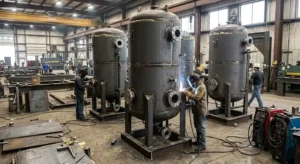
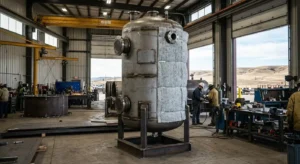
In the realm of industrial solutions, Red River emerges as a pioneer, offering a diverse range of custom-engineered products and facilities. Among our specialties is the design and production of Custom/OEM Pressure Vessels, meticulously crafted to meet individual client requirements, ensuring performance under various pressure conditions. Our expertise extends to the domain of prefabrication, where Red River leads with distinction.
The company excels in creating prefabricated facilities, modules, and packages, reinforcing its stance as a forerunner in innovation and quality. This proficiency is further mirrored in their Modular Skids offering, where they provide an array of Modular Fabricated Skid Packages and Packaged equipment. Each piece is tailored to client specifications, underlining their commitment to delivering precision and excellence in every project they undertake.


Related Blog Post
What Are Pressurized Storage Vessels?
Where to Locate Air Separator Tanks?
How Do Air Separator Tanks Work?
Hydronic Tanks?
What Is a Hydronic Tank?
About Author
