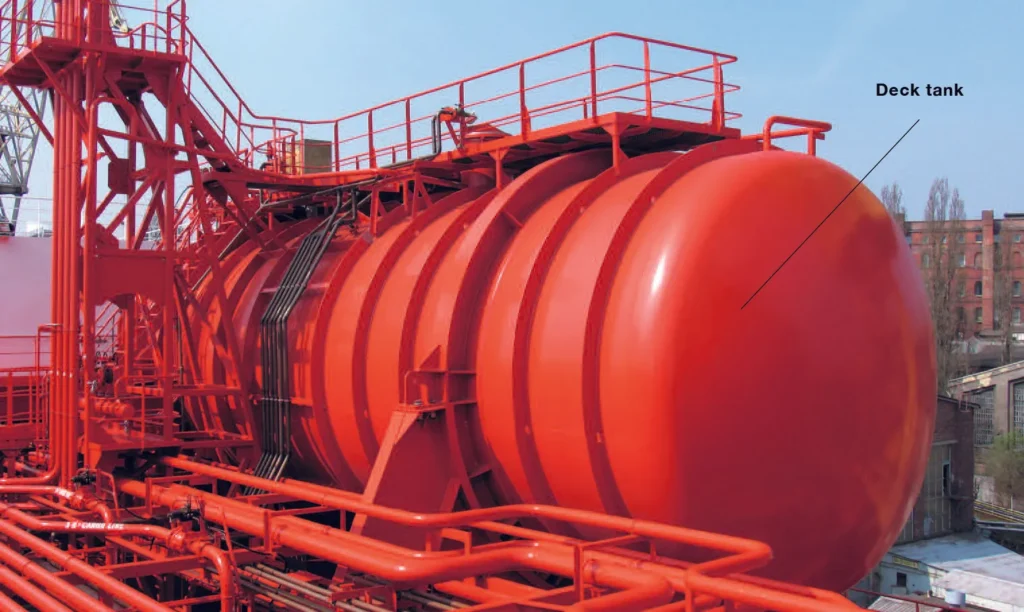
American marine pressure vessels are essential to shipboard, submarine, and offshore systems, providing safe and reliable pressure containment for fuel, hydraulics, fire suppression, life support, and subsea operations in harsh, corrosive marine environments. Engineered for durability, space efficiency, and regulatory compliance, they play a critical role in maritime safety, performance, and the future of advanced marine technology.
Key Roles of American Marine Pressure Vessels in the Industry
The marine industry and the use of marine pressure vessels go hand in hand when it comes to powering and protecting vital shipboard and offshore systems. From naval vessels to commercial fleets and deep-sea exploration platforms, American marine pressure vessels such as those engineered by manufacturers specializing in pressure vessels are designed to operate reliably in some of the most extreme and corrosive environments on Earth.
These purpose-built vessels are fabricated using proven metal fabrication techniques to endure high internal pressures, constant vibration, and prolonged saltwater exposure. This makes them essential components across U.S. shipyards, offshore platforms, and defense projects supported by advanced fabrication capabilities.
Whether used for fuel storage, ballast control, compressed air systems, fire suppression, or subsea operations, American marine pressure vessels ensure operational efficiency and crew safety. Understanding why pressure vessels are critical helps illustrate their role in maintaining the structural integrity and performance of both surface ships and underwater platforms.
In an industry where space is limited and safety is paramount, pressure vessels manufactured under ASME-certified pressure vessel standards deliver durable, space-efficient solutions that meet stringent naval and commercial requirements. As maritime technologies continue to evolve, demand for corrosion-resistant, custom-engineered vessels across U.S. ports and offshore installations will continue to rise.
Applications of Pressure Vessels in the Marine Industry
The marine industry and the use of American marine pressure vessels span a wide range of mission-critical applications supporting both civilian and military operations. These vessels are foundational to systems that rely on compressed gases, liquids, and controlled pressure environments, including:
- Compressed air systems, often utilizing air receiver vessels for engine start-up and auxiliary power
- Hydraulic systems for winches, rudders, and stabilizers built into modular skids
- Fuel storage and transfer, frequently paired with fuel-water separator systems
- Water treatment processes, including desalination and ballast water management using pressure-controlled tanks
- Fire suppression systems, relying on high-pressure CO₂ or nitrogen containment
- Submarine life-support systems, where atmospheric balance is maintained in sealed environments
Each of these applications depends on pressure vessels engineered to withstand vibration, corrosion, and confined installation spaces. Design teams rely heavily on safety and compliance in pressure vessel design to prevent catastrophic failures in environments where reliability is non-negotiable.
Key Design Considerations for Marine Pressure Vessels
Designing pressure vessels for the marine industry and the use of pressure vessels in America requires consideration of unique maritime conditions. These include:
Corrosion Resistance
Marine exposure demands materials selected using proven guidance such as choosing the right material for pressure vessel fabrication. stainless steel, copper-nickel alloys, and advanced coatings protect against saltwater degradation.
Space Optimization
Shipboard layouts benefit from compact, custom vessels manufactured through prefabrication processes that reduce installation time and maximize usable space.
Weight Reduction
Lightweight alloys and optimized geometries help improve fuel efficiency an important factor discussed in types of industrial pressure vessels.
Shock and Vibration Resistance
Marine vessels must survive wave impact and engine loads. Design standards outlined in failure criteria for pressure vessels guide reinforcement strategies and weld integrity.
Thermal Performance
Temperature fluctuations require materials and designs validated through the manufacturing process of pressure vessels to ensure expansion tolerance and insulation efficiency.
Materials and Manufacturing for Marine Applications
The marine industry and the use of pressure vessels in America depend on robust manufacturing standards and material selection. Common materials include:
- 316L Stainless Steel: Known for saltwater corrosion resistance
- Duplex Stainless Steels: Used in offshore environments due to high strength
- Titanium Alloys: Lightweight and durable for deep-sea vessels
- Copper-Nickel Alloys: Preferred in naval and heat exchanger systems
Manufacturing methods such as TIG welding and hydroforming follow best practices outlined in pressure vessel manufacturing processes and quality assurance in custom pressure tank manufacturing to ensure long-term reliability.
Regulatory Standards and Compliance
All pressure vessels used in the U.S. marine industry must meet or exceed established standards for safety and reliability. These include:
- ASME Boiler and Pressure Vessel Code (BPVC)
- U.S. Coast Guard (USCG) Regulations
- American Bureau of Shipping (ABS) Certification
- International Maritime Organization (IMO) Guidelines
- NAVSEA Standards for naval vessels
Pressure Vessels in Offshore Platforms and Subsea Operations
Beyond ships, American marine pressure vessels are integral to offshore and subsea infrastructure, including:
- Oil and gas platforms using separator technology
- Submersibles and ROVs managing buoyancy and control fluids
- Undersea cable installations powered by hydraulic pressure systems
- FPSO units relying on large-scale storage and processing vessels
These applications demand vessels designed using insights from comprehensive pressure vessel inspection and understanding pressure vessel thresholds.
Marine Pressure Vessel Technology
The marine industry and the use of American marine pressure vessels play a pivotal role in ensuring the safety, efficiency, and operational reliability of ships, submarines, and offshore installations. Specifically, these pressure vessels are engineered to handle the demanding conditions of the maritime environment characterized by high pressure, corrosive saltwater, and space constraints. As such, American marine pressure vessels undergo meticulous design, fabrication, and testing to meet stringent performance and safety standards, ensuring they can perform reliably under extreme conditions where failure is not an option.
As maritime technology advances toward cleaner energy sources, greater automation, and enhanced mission capabilities, the importance of American marine pressure vessels continues to grow. Whether used in hybrid propulsion systems, underwater robotics, or advanced fire suppression and life-support systems, these vessels provide essential pressure containment solutions that support next-generation marine engineering. Moreover, with their proven performance, compliance with U.S. and international standards, and adaptability across both commercial and defense sectors, American marine pressure vessels remain at the core of innovation and long-term sustainability in the U.S. maritime industry.
Need a reliable partner?
Red River specializes in the design and manufacturing of pressure vessels. We also fabricate related items such as prefabricated spools and skid packages.
Reach out to us today and experience the Red River difference. Where American-made products and American Values come together, we care more.
Frequently Asked Questions About Marine Pressure Vessels
1. What are common uses of pressure vessels in the marine industry?
They’re used for hydraulic control, fuel storage, fire suppression, water treatment, and life-support systems.
2. What materials are ideal for marine pressure vessels?
Stainless steel, copper-nickel, titanium, and duplex alloys are commonly used for their corrosion resistance.
3. Are marine vessels subject to special regulations?
Yes. They must meet ASME, USCG, ABS, and IMO standards for safety and operational compliance.
4. How are marine pressure vessels maintained?
Regular inspections, hydrostatic tests, and ultrasonic evaluations help maintain performance and compliance.
5. Can pressure vessels be customized for shipboard constraints?
Absolutely. Most marine vessels require custom sizing, mounts, and fittings to suit space and system needs.
Key Takeaways
- American marine pressure vessels play a critical role in the propulsion, safety, and operational systems of the maritime industry.
- These vessels are engineered to withstand unique challenges such as saltwater corrosion, limited onboard space, and exposure to shock loads.
- To ensure longevity and performance in harsh marine environments, materials like stainless steel, copper-nickel, and titanium are commonly used.
- Strict compliance with regulations from the US Coast Guard (USCG), American Bureau of Shipping (ABS), and the ASME Boiler and Pressure Vessel Code is essential for safety and reliability.
Related Blog Post
Pressure Vessel Design & Engineering: Concept to Launch
What is Pressure Vessel Design and Engineering: Code-Ready Guide
What are the Key Factors in Pressure Vessel Engineering
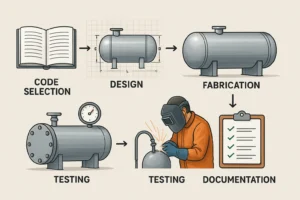
How Do You Design a Pressure Vessel: A Step-By-Step Guide
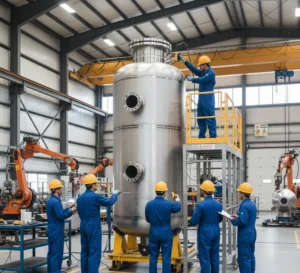
What is Pressure Vessel Fabrication and Manufacturing
- How U.S. Nuclear Pressure Vessels Power American Nuclear Plants
- How Food Processing Pressure Vessels Support U.S. Food Plants
- Role of American Chemical Pressure Vessels in Plant Operations
- Pressure Vessels in Biotech and Biofuel: A Growing Trend
- Aerospace Applications of American Aerospace Pressure Vessels
- How Pressure Vessels for Pharmaceuticals Support U.S. Drug Manufacturing