
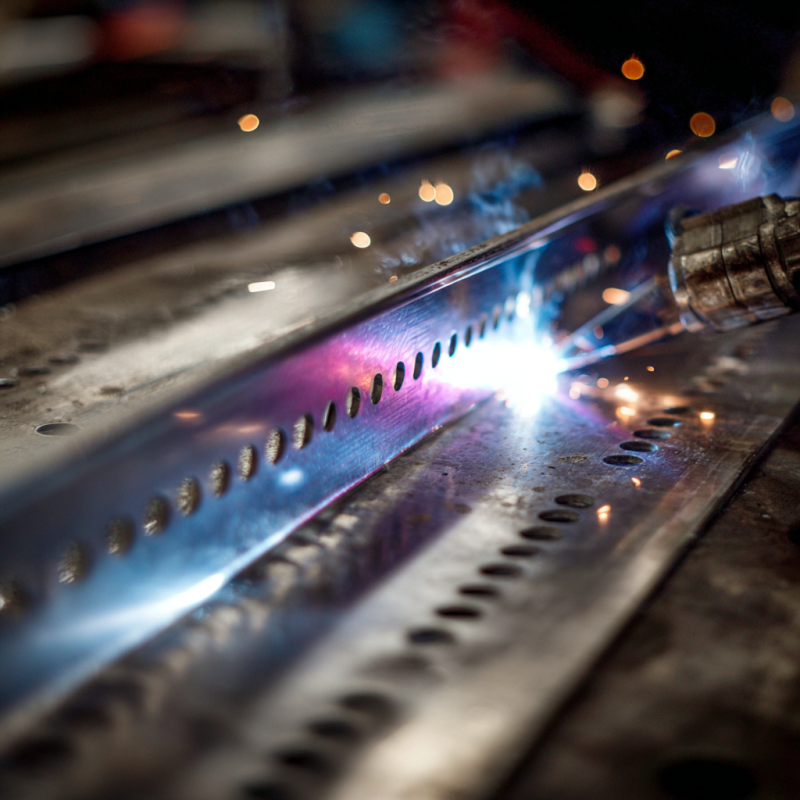
Stainless steel sheet metal fabrication is a multi-step process involving cutting, forming, welding, and finishing stainless steel components to create durable products. Prefabricated fabrication ensures consistent quality, lower labor risks, and faster project delivery.
Understanding How Does Stainless Steel Sheet Metal Fabrication Work
Imagine you’re walking through a busy industrial workshop. Gleaming stainless steel sheets line the walls, and sparks fly as skilled technicians carefully shape each piece of metal. If you’ve ever wondered, “How does stainless steel sheet metal fabrication work,” you’re in the right place. This process is at the heart of numerous industries, from manufacturing pressure vessels to creating modular skids for energy or water treatment facilities. In this guide, you’ll discover how these sleek, shiny sheets transform into essential products that power everyday life.
How Does Stainless Steel Sheet Metal Fabrication Work
Before we dive into the nuts and bolts, let’s clarify the basics. Stainless steel sheet metal fabrication involves multiple stages, including design, cutting, forming, welding, finishing, and quality assurance. The entire process occurs in specialized facilities, often prefabricated setups, where controlled environments help reduce errors, lower costs, and keep workers safe.
What makes stainless steel unique is its corrosion resistance and strength, which come from a blend of metals that typically includes chromium, nickel, and other elements. This composition allows for a durable material that can withstand high stress, extreme temperatures, and exposure to moisture.
Below, we’ll break down the key steps so you can see how each phase builds on the previous one, ensuring a reliable final product, whether it’s a pressure vessel or an intricate custom design.
Step 1: Design and Planning
Everything starts with a solid design. Engineers and designers work closely with clients, often using advanced modeling software to finalize shapes, dimensions, and project specifications. If you’re curious about how custom solutions take shape, check out what is custom sheet metal fabrication. Design software can spot potential conflicts early, reducing future headaches when the metal hits the cutting table.
Engineers typically:
- Draft initial blueprints to confirm overall dimensions.
- Identify stress points where extra durability is needed.
- Plan for expansions or accessories like nozzles, flanges, or instrumentation.
By the end of the design phase, you’ll have a digital or printed blueprint, detailing the stainless steel fabrication workflow and guiding each step of the stainless steel fabrication workflow.
Step 2: Cutting the Metal Correctly
Stainless steel sheets arrive from mills or suppliers ready for shaping. Fabricators use laser cutters, plasma torches, or waterjets to slice through the sheets. Each method has its perks:
- Laser cutting: Offers high precision, particularly for thick-gauge sheets.
- Plasma cutting: Cost-effective for simpler shapes and medium thicknesses.
- Waterjet cutting: Reduces the heat-affected zone, making it great for projects needing minimal thermal distortion.
After cutting, each piece is checked for precision against the blueprint. Proper handling prevents unwanted scratches or dents, which might compromise the metal’s protective chromium oxide layer.
Step 3: Forming into the Desired Shape
Forming is where flat sheets bend and fold into the required shapes, whether that’s a cylinder for a pressure vessel or a box-like enclosure for a modular skid. Common forming methods include:
- Press brakes: Mechanically press metal to create bends.
- Rolling machines: Shape metal into cylinders or other curved profiles.
- Extrusion: Force metal through a die for specific cross-sections, although this is used less often for stainless steel sheets.
Some projects prioritize minimal seams, while others require multiple bends for complex designs. The industrial metal fabrication forming process can incorporate stiffeners, gussets, enhancing rigidity in industrial metal fabrication.
Step 4: Welding for Lasting Strength
Welding joins metal for strength. Proper heat, skills, and ASME standards ensure stainless steel pressure vessels remain durable.
Depending on project requirements, you might find:
- TIG (Tungsten Inert Gas) welding: Delivers very clean, precise welds ideal for thin stainless.
- MIG (Metal Inert Gas) welding: Can attach thicker sections quicker.
- Stick welding: Used for certain situations or thick materials where other methods might be trickier.
At Red River LLC, welding processes are NBBI R Stamp-accredited and pass rigorous inspections to meet structural and safety standards.
Step 5: Finishing Touches and Quality Assurance
After welding and assembly, finishing processes refine surfaces and remove impurities. Finishing may include grinding, polishing, or pickling (acid treatment). This ensures stainless steel maintains its signature shine and corrosion-resistant properties.
Quality checks follow to guarantee minimal defects. Companies like Red River LLC use detailed Quality Control protocols that track materials, test weld integrity, and confirm dimensions match the initial design. An ASME Authorized Inspector may review specialized components for final sign-off before shipment.
Understand the Benefits of Prefabrication
At first glance, prefabrication may sound optional, but the stainless steel bending and cutting process and stainless steel bending and cutting process make it a game-changer.
- Cost efficiency: Prefabrication typically saves money by streamlining labor, shipping, and inspection processes.
- Consistent quality: Working indoors helps avoid weather disruptions and ensures standardized conditions no dust, excessive humidity, or extreme temperatures.
- Reduced site exposure: Less on-site labor can mean fewer safety hazards. This approach also frees up your field teams for other tasks.
- Faster project timelines: When large chunks of the project arrive pre-built, installation becomes more like fitting puzzle pieces together than starting from scratch.
Using BIM (Building Information Modeling) reduces design conflicts and ensures smoother construction.
See Real-world Applications
You’ll find stainless steel sheet metal fabrication in a wide array of industries, from water treatment plants to chemical processing facilities. Here are a few highlights:
- Pressure vessels: ASME-certified vessels store gases or liquids under high pressure.
- Skid packages: Modular skids group equipment for transport and installation.
- Government and renewables: Corrosion-resistant materials last decades with minimal environmental impact.
- Emission control systems: Stainless steel withstands corrosive compounds while meeting international standards.
For tailor-made solutions, explore custom sheet metal fabrication to see unique designs, or discover sheet metal fabrication services for a broader understanding of how various fabrication services work together efficiently.
Consider the Role of Safety and Certifications
You can’t talk about stainless steel sheet metal fabrication without highlighting safety. Working with stainless steel involves handling heavy materials, welding high temperatures, and operating powerful equipment. That’s why top fabricators focus on:
- Continual training: Welding certifications and programs like Lean Six Sigma help teams recognize issues early.
- Open communication: Companies such as Red River LLC place strong emphasis on honesty and teamwork, keeping everyone aligned and aware of potential hazards (Red River LLC).
- Third-party approvals: ASME, NBBI R Stamp, and AWS memberships guarantee safety and performance.
Use Stainless Steel for Lasting Performance
No one wants to replace equipment frequently. Stainless steel’s corrosion resistance ensures extended lifespan. From massive vessels to small brackets, it withstands heat, cold, and moisture, reducing wear and minimizing operational downtime effectively.
If you’re curious about why you might pick stainless steel over aluminum, have a look at why use stainless steel sheet metal fabrication. You’ll see specific perks like improved durability and easier long-term maintenance trademarks of stainless steel’s robust qualities.
The Importance of How Does Stainless Steel Sheet Metal Fabrication Work
Knowing how stainless steel sheet metal fabrication works helps businesses select materials and fabrication partners wisely. Stainless steel’s durability, longevity, and customizability make it ideal for long-term industrial use. Partnering with Red River LLC ensures certified processes, transparent communication, and lasting results.
Start Your Stainless Steel Project with Red River LLC
Looking for precision-built stainless steel components? Request a quote today with Red River LLC for ASME-certified fabrication, expert engineering support, and fast project delivery. Learn more about our capabilities and solutions to see how we can bring your project to life.
Frequently Asked Questions
1. What is stainless steel sheet metal fabrication?
Stainless steel sheet metal fabrication is the process of cutting, bending, and assembling stainless steel sheets to create custom parts, components, or structures.
2. Why use stainless steel sheet metal fabrication?
You use stainless steel sheet metal fabrication because it offers excellent durability, corrosion resistance, strength, and versatility for a wide range of industrial and commercial applications.
3. Does stainless steel sheet metal fabrication cost more?
Stainless steel’s durability and low maintenance offset costs.
4. How do I know if a fabricator is qualified?
Verify certifications ensure processes meet safety standards reliably.
5. Why does prefabrication matter?
Prefabrication reduces errors, labor, and speeds assembly efficiently.
6. Can stainless steel handle extreme temperatures?
Stainless steel resists corrosion and maintains strength reliably.
7. Is a finishing process always necessary?
Polishing and pickling enhance corrosion protection and aesthetics.
8. How can I customize stainless steel components?
Careful design and expert team enable precise fabrication.
Key Takeaways
- Stainless steel fabrication combines design, cutting, forming, welding, finishing, and thorough quality checks.
- Prefabrication delivers lower costs, fewer on-site safety risks, and faster installation times.
- Corrosion resistance, high strength, and longevity make stainless steel a top choice across industries.
- Accredited fabricators, such as ASME-certified ones, ensure adherence to stringent safety and quality standards.
Related Blog Post
Pressure Vessel Design & Engineering: Concept to Launch
What is Pressure Vessel Design and Engineering: Code-Ready Guide
What are the Key Factors in Pressure Vessel Engineering
How Do You Design a Pressure Vessel: A Step-By-Step Guide
What is Pressure Vessel Fabrication and Manufacturing
About Author



