
A Step-by-Step Guide on How to Pass TIG Welding Certification Test
TIG welding, or GTAW, is a precise process requiring steady hands, technique, and preparation. Certification offers career opportunities and higher earning potential. Sometimes, only a qualifying exam and practice stand between you and success. This guide shows how to pass TIG welding certification test, from mastering skills to connecting with effective training programs. Once you understand the fundamentals, your journey to certification becomes far more achievable than it may initially seem.
Why TIG welding certification matters
Earning a TIG welding certification distinguishes you in industries demanding advanced skills for fabricating pressure vessels,piping, and structural components. Passing confirms your ability to weld stainless steel, aluminum, and more with precision. Many industries value TIG welders for tasks requiring weld integrity. Curious about fundamentals? Explore what is TIG welding certification for details. Mastering heat, angle, and filler control proves you can consistently deliver strong, high-quality welds under pressure.
Equipment and practice: Your stepping stones to success
Preparation is essential. You want reliable gear, plenty of practice, and a strong knowledge base. Here are a few must-haves:
- TIG welding machine: Select a familiar machine for your test; consistent amperage and stable arc improve weld quality, reducing stress, spatter, and fusion issues.
- Shielding gas and fillers: Use 100% argon shielding gas to prevent porosity. Match filler rods to base metal, ensuring they’re clean, rust-free, and dry.
- Personal protective equipment (PPE): Wear proper gloves, safety glasses, and a reliable helmet. Protection ensures compliance and frees your focus for precise welding technique.
- Workspace setup: Ensure stable surfaces and proper lighting. A supportive welding chair helps steady hands and sustain focus during long practice sessions.
Practice for a TIG welding test in workshops, training facilities, or online. Stay disciplined with self-evaluation. For additional insights, explore Red River’s capabilities and solutions to see how precision welding is applied in critical industries, ensuring both technical expertise and practical readiness for certification success.
Practical steps to prepare for your test
Certification tests usually involve welding a specific joint (like a butt joint or pipe joint) under standardized codes (for instance, ASME Section IX). Each test aims to evaluate your ability to create strong, defect-free welds. Below are guidelines to help you prepare.
Step 1: Understand testing requirements
Gas Tungsten Arc Welding (GTAW) certification varies by code. An ASME-certified test stresses pressure containment, while AWS emphasizes inspection and position. For clarity on these differences, explore Red River’s welding insights.
Step 2: Develop consistent technique
While many factors influence your welding consistency, four stand out:
- Travel speed: Reducing speed too much can lead to overheating and a wide weld puddle. Going too fast can cause shallow penetration.
- Torch angle: Aim for a small tilt, typically 10–15 degrees from vertical.
- Filler rod feed: Feed smoothly—jerky motion can cause lumps or gaps.
- Arc length: Keep your tungsten electrode close to the workpiece, usually around 1/8 inch, to maintain heat and shield gas coverage.
Set aside regular practice sessions that focus on one element at a time. You might isolate your travel speed in a single pass, then refine your torch angle in the next. Deliberate skill-building is often more beneficial than random practice.
Step 3: Seek feedback from experts
For Gas Tungsten Arc Welding (GTAW), expert guidance matters Red River, known for its quality control process, highlights precision and safety, helping welders refine technique, spot gaps, and meet rigorous industrial standards effectively.
Step 4: Refine your safety and inspection mindset
Every certification test stresses safety. Habits like checking gas leaks and ventilation show professionalism. Red River promotes safety and innovation, proving how structured environments instill safe practices that reduce errors and strengthen welding performance.
Step 5: Practice under test-like conditions
Simulate certification day by practicing timed welds in full PPE on identical joints. Managing nerves comes with repetition. For real-world examples of disciplined training, exploreRed River’s prefabrication and modular skids.
Essential factors for test day readiness
Focus on managing the little details. By the time test day arrives, you will have your skillset in place. Here is how to organize your final stretch:
- Machine settings: Always double-check amperage, gas flow, polarity, and tungsten size small oversights risk overheating, poor shielding, and failed weld integrity.
- Clean materials: Grime, oil, or paint on your base metal is a recipe for weld discontinuities. Ensure every surface is thoroughly prepped using either a wire brush or chemical cleaner, depending on the test guidelines.
- Tungsten selection and preparation: Use 2% thoriated or lanthanated tungsten rods for steel. Keep a sharp, consistent point, resharpening immediately if contamination occurs during testing.
- Mental calm and pacing: With consistent practice, motions feel natural. Breathe, pace rod feed, watch puddle shape, and maintain steady angle when striking arc.
- Know your pass inspection steps: After each pass, inspect welds. Correct undercut or poor tie-ins immediately before stacking beads, ensuring stronger, cleaner, and test-ready results.
That valid combination of steady nerves, fine-tuned skill, and confidence in your machine will help you produce a clean weld that stands up to testing standards. For more examples, browse pulsation vessels or processing tanks where weld quality is mission-critical.
How to pass tig welding certification test: Final thoughts
Achieving TIG welding certification requires both precise skills and mental readiness. This credential opens doors to better pay, advanced roles, and high-spec projects. If unsure about requirements, consider professional training. Some organizations, including Red River, offer structured programs that mirror industry standards, supporting both new and experienced welders. Such programs help reduce test anxiety, prepare you for strict inspections, and sharpen technique. By combining hands-on practice with theory watching puddle shape, timing fills, and staying alert you set the stage for success.
Take Action Now – Prepare for Your Welding Certification
Your future as a certified welder is within reach. Start refining your skills today, practice under real test conditions, and invest in proper training. Take the next step with confidence and prove you know how to pass tig welding certification test. To learn more, request a quote or contact the Red River team today.
Frequently asked questions
1. What is on the tig welding certification test?
The TIG welding certification test typically includes written questions on safety and procedures along with a hands-on welding performance test.
2. Where to take tig welding certification test?
You can take a TIG welding certification test at accredited trade schools, technical colleges, or authorized welding testing centers.
3. What happens if I fail the test initially?
Failure is not the end. You can retake the certification exam, often after a waiting period. Use feedback from the failed test and aim to correct any weaknesses. Many certifications only require you to redo the sections you did not pass.
4. Does Red River offer resources for TIG welding training?
Yes. Red River invests in training programs for all parts of their operation (Red River Team). Their approach can help you polish your technique under rigorous quality control conditions, making you more confident on test day.
5. How crucial is safety in TIG welding testing?
Safety is a top priority. Attentiveness to detail, proper PPE, and consistent adherence to safety guidelines usually factor into your evaluation. A strong safety record also signals dependability, which is valued by both certifiers and employers.
6. Can TIG welding certification boost my earning potential?
In most cases, yes. Certified welders often earn higher wages than non-certified welders. Certification proves you can handle precise, specialized welding tasks, which can command a premium in many industries.
7. Is there a difference between TIG and GTAW certifications?
TIG (Tungsten Inert Gas) is another term for GTAW (Gas Tungsten Arc Welding). They are the same process. The certification you pursue will likely mention GTAW, but it refers to the same essential skill set.
Key takeaways
- Practice consistently. Skill grows faster when you focus on targeted improvements, such as torch angle or travel speed.
- Get expert help. Instructors, mentors, and organizations like Red River can point out small issues that lead to big performance gains.
- Stay safe and organized. Thoughtful checklists and strict adherence to safety measures make your final welded product more reliable.
- Replicate test conditions. Practicing under timed, realistic settings will calm your nerves and reduce unpleasant surprises on exam day.
- Keep a positive mindset. Good technique plus confidence often leads to success. If you stumble, regroup and try again with renewed focus.
Related Blog Post

Industrial Fuel Contamination: Causes and Risks
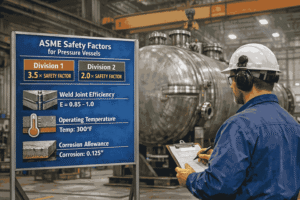
Typical Safety Factor for Pressure Vessels
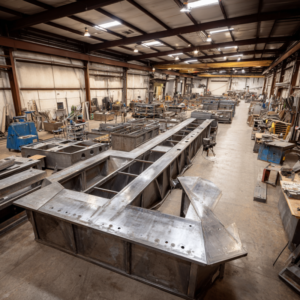
Sheet Metal Fabrication Services in Texas: Red River LLC

Why Use Custom Sheet Metal Fabrication for Your Next Project

How Does Custom Sheet Metal Fabrication Work?
About Author