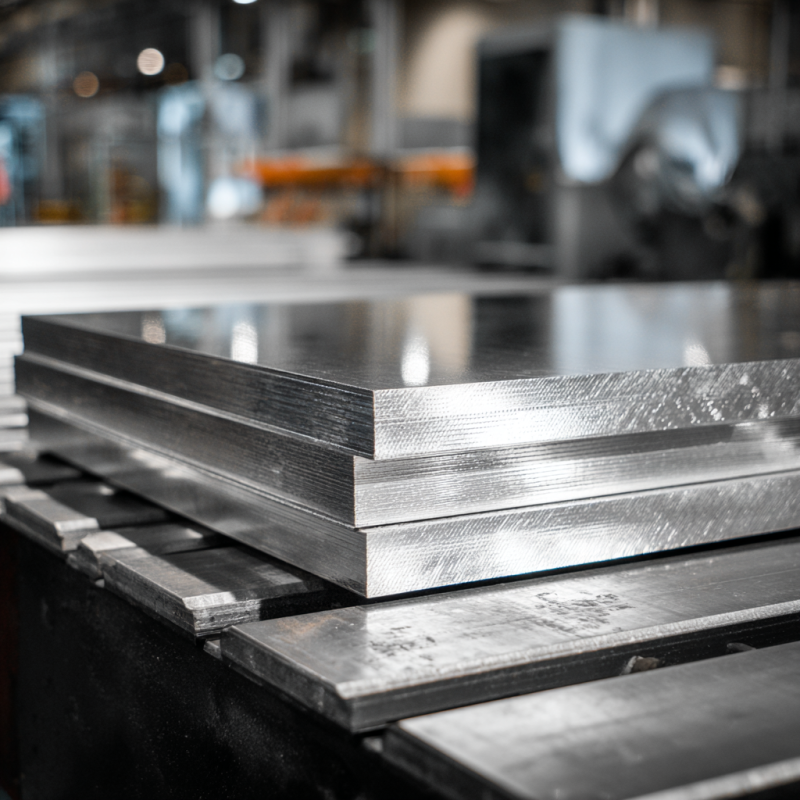
Top Tips for Aluminum Sheet Metal Fabrication
Aluminum sheet metal fabrication delivers strong yet lightweight results ideal for industrial and custom projects. Learn how proper design, tools, and prefabrication improve durability and reduce costs.
Mastering Aluminum Sheet Metal Fabrication for Better Results
If you’re curious about how to get optimal results from aluminum sheet metal fabrication, you’re in the right place. Aluminum is a flexible and lightweight metal with enough strength to handle a wide range of applications. Whether you’re building modular skids, creating custom HVAC ductwork, or constructing a prefabricated industrial module, aluminum often fits the bill when you want durability without extra bulk.
This article takes you through top strategies, from understanding aluminum’s unique properties to choosing the best tools for the job. Along the way, you’ll see how good planning, design, and finishing can make all the difference in your finished piece. Let’s dive in.
Exploring Aluminum Sheet Metal Fabrication
Aluminum sheet metal fabrication is the process of shaping, cutting, bending, welding, and finishing aluminum sheets into functional components. Lightweight yet strong, aluminum is ideal for vehicles, marine parts, and industrial equipment. Its corrosion resistance suits environments with moisture, chemicals, or temperature extremes.
Prefabrication in aluminum fabrication reduces onsite labor, minimizes errors, and ensures consistent quality. Choosing the right sheet thickness balances strength and flexibility, while careful heat management during welding prevents warping or cracking. Thicker sheets offer durability; thinner ones provide ease of shaping. For more insight, explore what is aluminum sheet metal fabrication.
Recognize Aluminum’s Key Properties
Before you shape or weld aluminum sheet metal fabrication projects, it’s crucial to recognize the attributes that make this material so widely used. Understanding these properties early in your aluminum sheet metal fabrication process can help prevent errors, improve efficiency, and ensure a high-quality result. Here are some of the key properties that make aluminum sheet metal fabrication an ideal choice for a wide range of applications:
- High strength-to-weight ratio: Aluminum is strong enough for structural applications but light enough to reduce overall load. This property appeals to industries like aerospace and automotive.
- Natural corrosion resistance: An oxide layer forms on aluminum, which helps protect it from rust, making it ideal for environments exposed to moisture and water.
- Good thermal conductivity: Aluminum’s conductivity is beneficial in heat exchange applications but requires careful attention during welding to prevent distortion.
- Malleability and formability: Compared to many other metals, aluminum is fairly easy to form, bend, or cut, assuming you have the right tools and methods.
Because of these properties, you’ll find aluminum in everything from pressure vessels to prefabricated piping packages. Adapting to aluminum’s characteristics can improve efficiency, reduce mistakes, and enhance end results.
Different Alloys like 6061 or 5052 differ in hardness, weldability, and corrosion resistance. For example, 6061 aluminum is preferred for structural components, while 5052 aluminum excels in formability and saltwater resistance. Selecting the right alloy early minimizes rework and last-minute changes.
Aluminum’s lower melting point requires careful heat control during welding or cutting. Check out welding a type of fabrication for methods suited to aluminum.
Plan for Effective Design
Before you shape or weld aluminum sheet metal fabrication components, it’s essential to understand the properties that make this metal so versatile. Recognizing these characteristics early in your aluminum sheet metal fabrication process helps prevent mistakes, improves efficiency, and ensures durable, high-quality results. Aluminum’s high strength-to-weight ratio, natural corrosion resistance, excellent thermal conductivity, and ease of formability make aluminum sheet metal fabrication suitable for automotive, aerospace, marine, and industrial applications. By adapting your techniques to its unique traits, you can achieve precise bends, clean cuts, and long-lasting finishes while fully leveraging aluminum’s lightweight and durable advantages.
Here are a few design tips to keep in mind:
- Account for bend allowances: Aluminum doesn’t bend the same way as steel. A proper understanding of bend radii and allowances prevents cracks or wrinkles during forming.
- Include stress-relief features: Slots or relief cuts in high-stress corners help reduce the likelihood of warping.
- Think about the final assembly: Plan for bolt holes, weld seams, or rivet points so parts can align without extra modifications later.
- Keep it as lightweight as possible: One of aluminum’s advantages is reduced weight. Lean into that by removing unnecessary mass.
Remember, you might also want to factor in secondary operations like finishing or painting. Planning ahead for these processes ensures that surfaces, edges, or holes are properly prepared for the final coating or plating. In aluminum sheet metal fabrication, even a small design tweak can save hours of sanding or rework at the end. A thorough design sets the stage for a seamless build. If you’d like to compare approaches or consider what it means to work with an experienced team, you can read about how to choose a sheet metal fabrication service provider. Proper preparation is key in aluminum sheet metal fabrication.
Consider Prefabrication Advantages
Prefabrication transforms aluminum sheet metal fabrication by completing work in controlled environments, reducing weather risks, labor costs, and onsite errors. It improves safety with specialized jigs, cranes, and CNC equipment, while enabling thorough testing before delivery. For more insight, see what is the sheet metal fabrication process to understand how each step streamlines workflow, ensures consistent quality, and accelerates installation. Prefabrication also lowers onsite exposure, reducing insurance costs and overall project risk. By centralizing welding, cutting, and finishing, it enhances precision, efficiency, and budget management, making projects faster, safer, and more reliable from fabrication to final installation.
Choose the Right Tools
Selecting the correct tools and equipment can make or break your aluminum sheet metal fabrication project. In any aluminum sheet metal fabrication process, aluminum’s lower melting point compared to steel requires specialized welding methods, precise cutting techniques, and proper finishing protocols. Mastering these practices ensures that your aluminum sheet metal fabrication outcomes are accurate, durable, and visually appealing, minimizing errors and material waste.
Here are some hardware considerations:
- Cutting instruments: Tools such as CNC laser cutters or waterjets can create precise, clean edges on aluminum. Waterjet cutting is especially handy when you don’t want to introduce too much heat.
- Welding processes: Gas tungsten arc welding (GTAW), also known as TIG welding, is a go-to method for aluminum because it offers better control over the heat input. MIG (metal inert gas) can also work, but you need the right wire and spool gun set up for aluminum wire feed.
- Metal brakes and rollers: Because aluminum is relatively soft, you can bend or roll it more easily, but you still need well-calibrated machines to avoid cracked edges.
- Finishing equipment: Tools like sanders or rotary buffers help you achieve a smooth, uniform finish or prep the metal for painting. One slip and you can mar the entire surface, so having the right attachments matters.
Maintain a clean workspace for aluminum sheet metal fabrication to prevent contamination that can affect welds. Use dedicated stations to avoid steel dust and ensure precision in your aluminum sheet metal fabrication projects. If your tools fall short, professional sheet metal fabrication services provide advanced equipment, expertise, and support, helping you focus on design rather than technical limitations. Following best practices in aluminum sheet metal fabrication not only improves efficiency but also ensures high-quality, reliable results for every project.
Optimize Your Fabrication Workflow
Optimize aluminum sheet metal fabrication by batching similar tasks, like cutting panels together, to reduce setup time. Label parts clearly to avoid mix-ups and ensure smooth assembly, especially in large projects with many similar components. Efficiency boosts accuracy and overall productivity in aluminum sheet metal fabrication, helping you save time, reduce errors, and achieve consistent, high-quality results.
Consider these workflow tips:
- Use a production schedule: Lay out each step cut, bend, weld, finish along a timeline to stay organized.
- Consolidate orders for materials: Aluminum suppliers often offer discounts for bulk purchases. You might also get better shipping rates.
- Coordinate with other trades: If your aluminum parts will attach to mechanical or electrical systems, align your schedule with those teams to avoid bottlenecks.
Sometimes you might run into snags: maybe a bend is off by a fraction of an inch, or a weld penetration isn’t as deep as needed. The key is addressing issues as soon as they appear. Quality control checks at each stage help you catch problems early and avoid large-scale rework. If you want to look into a more advanced perspective, precision sheet metal fabrication digs into how tight tolerances factor into workflow optimization, from design all the way to finishing.
Pay Attention to Finishing
Finishing isn’t just about aesthetics; it can protect an aluminum sheet metal fabrication part from corrosion, scratches, and wear. In aluminum sheet metal fabrication, because aluminum naturally forms a thin oxide layer, some manufacturers opt to leave the metal raw to showcase its modern, clean look. Others might prefer painting, powder coating, or anodizing for added resilience and color.
Let’s talk about a few common finishing methods:
- Anodizing: This electrochemical process thickens the natural oxide layer, making the aluminum more scratch-resistant and able to hold dye. It’s popular for items that need a specific color or a hard, protective surface.
- Powder coating: A sprayed-on powder is cured under heat to create a durable coating. Powder coating can hide minor surface imperfections while offering a range of colors.
- Polishing: If you want a mirror-like shine, polishing with fine abrasive compounds can get you there. It looks great but may require frequent upkeep if the part experiences significant wear.
Monitor temperature carefully in aluminum sheet metal fabrication to prevent warping. Clean oil or grease with proper solvents to ensure finish adhesion. In aluminum sheet metal fabrication, choose finishing based on use: decorative panels may need gloss, while industrial parts require heavy-duty coatings for corrosion protection and lasting durability.
Final Word on Aluminum Sheet Metal Fabrication
Aluminum sheet metal fabrication offers a balance of strength, weight savings, and corrosion resistance that few metals can match. When you apply careful design, choose the appropriate tools, and stay on top of quality control, you stand a strong chance of creating parts or structures that last.
By prioritizing prefabrication, you streamline construction schedules and can catch potential problems early. This not only controls costs but also boosts overall quality. Meanwhile, paying attention to finishing helps your final pieces retain their intended look and feel. Each step matters, from your initial sketches to that last coat of paint or anodized sheen.
Aluminum is especially valuable for industries seeking efficient solutions that don’t compromise on durability. Whether it’s massive structural supports for a water treatment facility or small enclosures for delicate electronics, the keys to success are planning thoroughly, using the right methods, and adapting to aluminum’s quirks.
If you’re wondering how to get started or need more advanced knowledge, checking out metal sheet fabrication can give you a broader overview of the process. Ultimately, aluminum’s potential is vast. By applying these best practices, you’ll be well on your way to producing top-quality results.
Partner with Red River LLC for Professional Fabrication Services
Looking for expert aluminum sheet metal fabrication solutions? Red River LLC provides precision-engineered metalwork for prefabricated modules, modular skids, and custom assemblies.
Contact RedRiver LLC today to discuss your project needs and experience professional aluminum fabrication.
Common questions and answers
1. What is aluminum sheet metal fabrication?
Aluminum sheet metal fabrication is the process of cutting, bending, shaping, welding, and finishing aluminum sheets into functional components or structures for various applications, from automotive panels to industrial equipment.
2. How does aluminum sheet metal fabrication work?
The process involves selecting the appropriate aluminum sheet thickness, then using techniques like cutting, bending, stamping, welding, and finishing to shape it. Prefabrication in controlled environments can improve efficiency, quality, and safety while reducing onsite labor.
3. Why use aluminum sheet metal fabrication?
Aluminum is lightweight, strong, and corrosion-resistant, making it ideal for durable, long-lasting components. Fabrication allows precise shaping, consistent quality, and efficient production for industries like automotive, marine, energy, and construction.
4. Is anodizing better than powder coating for aluminum?
They each have advantages. Anodizing chemically alters the metal surface to form a harder oxide layer, while powder coating adds a protective film. If you need sturdy color and scratch resistance, anodizing works well. Powder coating offers a thicker, more uniform coat and a wider range of finishes. Your choice often depends on budget, desired look, and the final application environment.
5. When should I consider prefabrication for aluminum projects?
Prefab is especially helpful on large-scale or complex jobs requiring several assemblies. You’ll shorten on-site installation time, minimize labor costs, and control quality more effectively. Industries like energy, environmental control, or industrial processing often benefit from a modular approach.
6. How long does aluminum sheet metal fabrication generally take?
The timeline varies widely based on project scope, design complexity, and finishing methods. A small bracket or enclosure might be done in a day, while a large industrial skid can take weeks or months. Planning your workflow carefully, batching similar tasks and lining up materials ahead of time usually pays off in faster completion.
7. What if I need very tight tolerances?
Tight tolerances often require specialized machinery like CNC lasers, waterjets, or high-precision presses. Quality checks at each step ensure consistent dimensions. When tolerances are critical, be prepared for the possibility of more frequent tool adjustments and potential re-calibration during the run.
8. Do I need special safety measures for aluminum fabrication?
It’s important to wear proper PPE, including eye protection, gloves, and breathing filters if you’re cutting or welding. Aluminum dust and fumes can be harmful if not managed with proper ventilation. Good housekeeping also reduces slip and fire hazards. A well-organized shop with designated stations for different materials helps keep operations safe and efficient.
Key Takeaways
- Planning is everything. Map your design, material specs, and finishing needs before you pick up a tool.
- Prefabrication pays off. It cuts back on field labor and improves consistency.
- Heat matters. Aluminum’s lower melting point means you have to watch your welding and cutting temperatures closely.
- Soft yet strong. Aluminum is easy to form but still strong enough for many structural applications.
- Finishing boosts performance. Options like anodizing, powder coating, or polishing not only look good but also protect your parts.
Related Blog Post
Pressure Vessel Design & Engineering: Concept to Launch
What is Pressure Vessel Design and Engineering: Code-Ready Guide
What are the Key Factors in Pressure Vessel Engineering
How Do You Design a Pressure Vessel: A Step-By-Step Guide
What is Pressure Vessel Fabrication and Manufacturing
About Author