
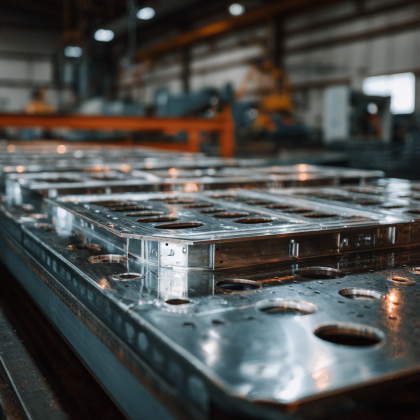
This article explains how does aluminum sheet metal fabrication work from cutting and bending to welding and finishing and highlights Red River LLC’s expertise in precision prefabrication and durable aluminum solutions.
Understanding How Does Aluminum Sheet Metal Fabrication Work
When you first hear about how does aluminum sheet metal fabrication work, you might imagine a busy workshop packed with sparks and heavy machinery. In reality, it’s a combination of engineering, careful planning, and precise aluminum sheet forming techniques that transform flat sheets of aluminum into everything from industrial parts to everyday appliances. If you’ve ever wondered how this process achieves crisp edges, sturdy joints, and consistent results, you’re in the right place. By the end of this article, you’ll understand key steps, significant benefits, and why aluminum is a popular pick for countless industries thanks in part to advanced aluminum sheet forming techniques used by modern fabricators.
How Does Aluminum Sheet Metal Fabrication Work
The aluminum fabrication process shapes flat aluminum sheets into parts using cutting and forming methods, then assembling components into accurate, functional structures for various applications.
Aluminum’s unique properties make it highly suitable for fabrication:
- Excellent strength-to-weight ratio.
- Natural resistance to corrosion.
- Good thermal conductivity.
- Easy formability compared to heavier metals.
The aluminum fabrication process at Red River LLC uses precise shaping and welding in controlled environments to ensure strong, reliable aluminum components with reduced on-site labor.
Explore Typical Processes
To get a clearer picture of how this works, let’s walk through some standard techniques that shape and finalize aluminum components. Not every project requires every step, but these processes often show up in an aluminum sheet metal fabrication workflow.
Cutting
Fabricators rely on various cutting methods such as laser cutting, waterjet cutting, or shearing equipment to trim large aluminum sheets into workable sizes.
- Laser cutting offers precise, low-distortion edges, making it popular for parts needing tight tolerances.
- Shearing is more traditional, using a blade to slice through the sheet in a single swift motion.
Bending and Forming
Next, technicians use press brakes or specialized rolling machines to bend the aluminum into specific angles or cylinders. Because aluminum is generally more malleable than steel, bending can be faster. However, the metal is famously sensitive to certain stress points, so controlling force is crucial to avoid cracks.
Welding
Aluminum welding demands a careful approach because it conducts heat rapidly and can be prone to distortion. TIG welding works especially well for thinner material, creating clean, precise welds. Meanwhile, MIG welding is effective for thicker sheets. With the right welding parameters, the joints remain strong, minimizing structural weak spots.
Fastening
If welding isn’t suitable, fabricators may use rivets, bolts, or screws to hold the pieces together. Look inside certain aircraft sections or HVAC ductworks; chances are you’ll find strategically placed rivets.
Surface Treatments
Depending on the application, the fabricated parts might receive finishing processes like sanding, polishing, or anodizing. Painted or powder-coated finishes are also common, giving you the color or branding needed.
Quality Assurance
Fabrication shops often rely on a robust quality control framework. For instance, Red River LLC extends precise quality protocols across every stage, ensuring traceability of materials, thorough testing of welds, and consistent review procedures (Red River LLC). This commitment to quality keeps each piece performing at its best.
Below is a quick comparison table of common processes:
| Process | Purpose | Example Equipment |
| Laser cutting | Precision cutting | Industrial laser cutter |
| Bending | Forming angles or curves | Press brake, rolling jig |
| Welding | Joining metal pieces | TIG or MIG welders |
| Fastening | Non-weld attachments | Rivet guns, bolts |
| Surface finish | Protective & aesthetic | Anodizing, powder coat |
If you want a more in-depth look at how fabrication steps line up, you might explore the sheet metal fabrication process, which offers a broad overview of other metals too. Additionally, to dive into advanced aluminum techniques specifically, check out aluminum sheet metal fabrication.
Consider Major Benefits
Choosing aluminum over other metals brings tangible perks for your projects. Here’s how:
- Lightweight strength: Aluminum weighs about one-third that of steel, yet it retains solid structural integrity. This makes transport and installation easier, especially for prefabricated modular sections.
- Corrosion resistance: Aluminum forms a natural oxide layer that helps protect against rust, extending the life of your finished assembly. That’s particularly important in moist or chemical-heavy environments.
- Efficient prefabrication: Prefab shops like Red River LLC can manufacture entire skids, modules, or sub-assemblies in a controlled environment. Materials arrive pre-measured, and technicians identify conflicts digitally via modeling software before cutting metal.
- Heat conductivity: Aluminum dissipates heat quickly, making it a great match for applications needing temperature control, such as energy or agricultural machinery.
- Versatility: Industries from aerospace to architecture rely on aluminum’s malleability for custom shapes and products. If your design requires specialized parts, you can also explore how does custom sheet metal fabrication work to see how unique components come to life.
You might compare aluminum to stainless steel; if curious, learn how does stainless steel sheet metal fabrication work too.
Know Real-life Applications
So, where exactly does aluminum sheet metal fabrication show up? Virtually anywhere there’s a need for sturdy yet lightweight parts. Some notable sectors include:
- Energy and industrial plants: From pressure vessels to skid packages, aluminum modules handle piping configurations and specialized equipment.
- Transportation: Aluminum reduces weight and improves fuel efficiency in transportation manufacturing.
- Agricultural and chemical industries: Fabricated aluminum resists corrosion and is easy to clean in facilities.
- Building and construction: Architectural features like roofing, facades, and window frames leverage aluminum’s sleek finish and ability to hold tight tolerances.
- Consumer goods: Aluminum sheets provide durability and attractive finishes for small appliances.
Whether building large facilities or small components, aluminum’s versatility matters; for guidance, see how to choose a sheet metal fabrication service provider.
Check Key Safety Factors
Working with aluminum requires strict safety protocols due to hot surfaces, sharp edges, and welding hazards.
- Personal protective equipment (PPE): Proper gear includes gloves, goggles, and clothing to prevent injuries.
- Welding safety: Aluminum welding fumes and arcs require ventilation and protective masks.
- Certification and inspection: Top-tier shops hold ASME certification. Red River, for example, is an ASME-certified pressure vessel manufacturer (Red River).
- Continuous improvement: Lean Six Sigma guides production, reducing waste and improving workflow safety.
Following these steps ensures safety, as careful attention prevents weld failures in structural or high-pressure systems.
How Does Aluminum Sheet Metal Fabrication Work in Conclusion
By now, you’ve seen how aluminum sheet metal fabrication transforms a simple slab of metal into strong, corrosion-resistant parts. From cutting and bending to welding and finishing, each stage demands close attention to detail. Companies like Red River LLC have proven that prefabrication offers significant advantages for large-scale aluminum projects.
Relying on well-equipped facilities, a skilled workforce, and robust quality control, they deliver packages and equipment that match precise needs right out of the gate. Explore custom sheet metal fabrication for more insights.
Partner with Red River LLC for Expert Aluminum Fabrication
Looking for a trusted partner who knows how does aluminum sheet metal fabrication work inside out? Contact Red River LLC today to discuss your project requirements and experience the precision and reliability that define our services.
Frequently asked questions
1. What is aluminum sheet metal fabrication?
Aluminum sheet metal fabrication is the process of cutting, bending, shaping, welding, and finishing aluminum sheets into functional components or structures for various applications, from automotive panels to industrial equipment.
2. Why use aluminum sheet metal fabrication?
Aluminum is lightweight, strong, and corrosion-resistant, making it ideal for durable, long-lasting components. Fabrication allows precise shaping, consistent quality, and efficient production for industries like automotive, marine, energy, and construction.
3. How do I ensure accurate measurements for my aluminum parts?
Fabricators use software-driven lasers and CNC machines for precise, consistent parts.
4. Does aluminum require special welding techniques?
Aluminum welding requires precise settings to prevent warping or weak joints.
5. At what thickness is sheet metal still considered ‘sheet metal’?
Sheet metal is typically metal less than a quarter-inch thick.
6. Why is prefabrication so popular in aluminum sheet metal projects?
Prefabrication uses controlled settings, software, and staging for faster, efficient installations.
7. Are there environmental benefits to using aluminum?
Aluminum is recyclable, reusable, and favored for sustainable, long-lasting projects.
8. Can aluminum sheet metal fabrication handle high-stress applications?
Aluminum is lightweight yet strong, used widely for custom industrial parts.
Key Takeaways
- Aluminum combines lightweight properties with notable strength, making it an ideal choice for multiple industries.
- Common fabrication steps include cutting, forming, welding, and finishing, each requiring specialized skills.
- Prefabrication in a controlled environment speeds up production, cuts errors, and lowers site labor costs.
- Accredited fabricators emphasize rigorous quality control to ensure every weld and dimension meets design expectations.
- Whether for pressure vessels or simpler parts, aluminum remains a versatile, cost-effective solution for many projects.
Related Blog Post
Which Materials Suit Make-Up Water Service?
How Big Should Make-Up Water Tanks Be?
Make-Up Water Tanks: Design, Sizing, and Fabrication
When to Spec Equalization Tanks for Industrial Systems
How Do Equalization Tanks Balance Flow?
About Author



