
How Does Precision Sheet Metal Fabrication Work?
Precision sheet metal fabrication is a meticulous process that involves cutting, forming, welding, and inspecting metal components to achieve tight tolerances. This guide explains how precision sheet metal fabrication works, its benefits, and why industries trust experts like Red River LLC for top-quality results.
Understanding How Does Precision Sheet Metal Fabrication Work
If you’ve ever wondered how does precision sheet metal fabrication works, CNC metal fabrication plays a key role. Picture a flawlessly crafted component: no rough edges, perfect fits. CNC metal fabrication ensures accuracy, combining advanced technology, skilled craftsmanship, and strict quality control for every industrial metal part.
In this article, you’ll get a friendly walkthrough of what precision sheet metal fabrication involves, the main steps, and the remarkable benefits it brings to various industries. You’ll also discover how it saves costs, improves project efficiency, and meets strict regulations, so you can determine if it’s the perfect fit for your own fabrication needs.
Uncover the Basics
Precision sheet metal fabrication creates metal parts with tight tolerances, essential for industries like energy production, mineral extraction, agriculture, and chemical processing, ensuring exact measurements, optimal performance, safety, and full regulatory compliance.
If you’re new to metal sheet fabrication, think beyond typical sheet metal work. Companies like Red River LLC, an ASME certified partner (Red River), ensure precise cuts, bends, welds, quality, speed, and safety.
Recognize the Benefits
So, why do people go to such lengths to perfect the sheet metal fabrication process? A few key advantages may help you see the bigger picture:
- Strict compliance with regulations: Many industrial sectors have rules that govern product quality and safety. Precision means your finished product adheres to these standards right from the start. Learn more about ASME certification.
- Scalability for large production: Whether it’s a single prototype or mass production, the same meticulous process applies, making it easier to scale when you’re ready to expand your operations. Explore our modular skids solutions..
- Reduced errors and overall cost: By fabricating parts in a controlled environment, you’re dramatically cutting down the possibility of waste and rework. That ultimately saves you both time and money. See our cost-efficient prefabrication services.
- Optimal space usage: When every component is made precisely, systems can be arranged more efficiently. This is helpful for industries that need to fit complex equipment in smaller footprints.
- Improved uptime: Downtime can eat away at your bottom line. Precision fabrication reduces the chance of breakdowns on your equipment, making for smoother, more reliable operations.
When you think of precision sheet metal fabrication, keep these benefits in mind. They’re exactly why industries that demand high performance often choose this method for their most important tasks.
Examine the Key Steps
At its core, precision sheet metal fabrication involves a series of steps that ensure consistent, top-tier results. Let’s walk through the typical workflow so you can better visualize how everything comes together.
Design and Planning
It all starts by understanding your needs. For instance, Red River LLC begins with a thorough discussion on the final product’s purpose, environment, and any regulatory requirements. They often use advanced software modeling to create accurate designs. These blueprints serve as your roadmap, laying out exactly how the metal should be cut, formed, or welded.
Cutting the Metal
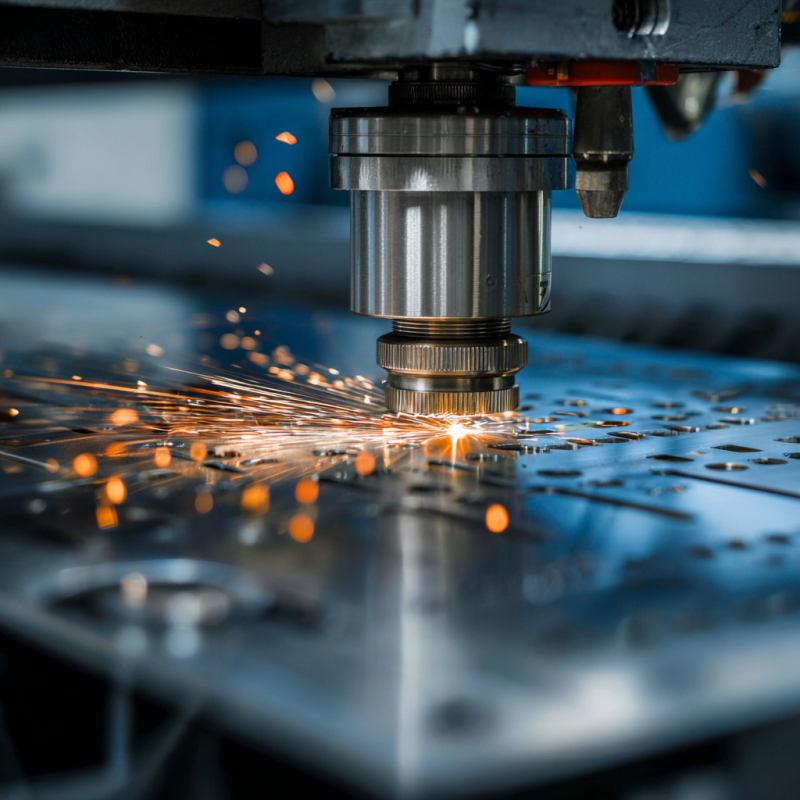
Once the design is set, the next step is cutting your raw sheet metal. Precision is key, so CNC machining or laser cutting is usually involved. You get edges clean enough that you could (theoretically) run your hand along them without injury—though we wouldn’t recommend it!
Forming and Bending
After cutting, the metal pieces are shaped to meet the project’s specifications. By using CNC press brakes or rollers, fabricators ensure every bend is consistent. This careful approach helps avoid uneven surfaces or unsightly gaps down the line.
Assembly
Here’s where parts come together. Skilled welders join the pieces, often in a controlled environment that minimizes dust, humidity, or temperature fluctuations. Proper alignment and fit-up at this stage are essential for a perfect final structure. Learn about our welding techniques.
Finishing Touches
Depending on the application, you might add protective coatings or integrate sensors. Companies like Red River LLC provide modular options, including climate-controlled enclosures and coatings, ensuring every product meets strict performance standards.
Quality Control
Lastly, each component is inspected. At Red River LLC, they have a rigorous Quality Control Process with complete traceability to confirm everything meets your project’s exact needs. That means you get a product that has passed all the checks, from weld integrity to dimensional accuracy.
Do you see how all these steps add up to deliver a part that is ultra-precise and reliable? Every stage, from design to final inspection, is executed with a watchful eye. If you’re seeking an in-depth look into each step, you can explore our sheet metal fabrication process resource for more details.
What Role Does Prefabrication Play?
Prefabrication is the practice of assembling components in a controlled workshop rather than on-site to enhance quality, cut down on time, and curb costs. Large-scale industrial systems benefit significantly:
- Controlled environment: Fewer external factors like weather or dust lead to consistent results.
- Lower on-site exposure: Minimizes safety risks and insurance costs.
- Simplified shipping and inspection: Components are ready for installation after fab-shop inspection.
Companies like Red River LLC provide modular skids or fully enclosed modules, ensuring top-notch quality and quicker installation.
Industries that Rely on Precision
Many sectors benefit from precision sheet metal fabrication:
- Energy production: Oil, gas, and power generation rely on robust pressure vessels.
- Agricultural sector: Farming and food processing systems must be durable and compliant.
- Mineral extraction: Mining operations need precisely fabricated vessels and tubing.
- Chemical processing: Ensures effective containment and compliance with regulations.
- Commercial and public works: Municipal facilities depend on accurate metal components for water treatment and structural projects.
By using custom sheet metal fabrication techniques in these industries, you can get solutions tailored to your exact requirements. No more off-the-shelf compromises.
How Does Precision Sheet Metal Fabrication Work for You
It’s all about precision design, advanced machining, expert welding, and rigorous inspection. The result: components that align perfectly with your plans and deliver exceptional performance. See our full fabrication capabilities.
Red River LLC ensures your fabrication projects save time, reduce risk, and meet industry standards through proven processes and unmatched expertise.
Partner with Red River LLC for Your Fabrication Needs
Looking to improve your next fabrication project? Red River LLC offers full-service precision metal fabrication designed to exceed expectations. Contact our team today to learn how we can bring your designs to life with unmatched quality and efficiency.
Frequently Asked Questions
1. What is Precision Sheet Metal Fabrication?
Precision sheet metal fabrication is the process of cutting, bending, and shaping metal sheets with exact measurements to ensure each part fits perfectly and functions reliably.
2. Why Use Precision Sheet Metal Fabrication?
Precision fabrication is used to reduce rework, lower overall costs, improve safety and reliability, and ensure components fit seamlessly while allowing for complex designs and faster project timelines.
3. Can Prefabricated Parts Handle On-Site Customization?
Yes. Even with prefabrication, certain adjustments can be made on-site if you need to adapt to unique layouts or specifications. The initial precision, however, means most of the work is done upfront.
4. Is Custom Work More Expensive than Standard Options?
It can be slightly costlier up front. But custom fabrication can save money in the long run by reducing rework and extending the system’s lifespan. You can check out how to choose a sheet metal fabrication service provider for more budgeting tips.
5. How Do I Verify if a Fabricator Meets Acceptable Standards?
Look at their certifications, like ASME stamps, which demonstrate compliance with specific industry guidelines. It’s also great if they have a robust quality control system. For instance, Red River has U4 and R stamps (Red River), showing their solid credentials.
6. Does Precision Sheet Metal Fabrication Apply to Non-Industrial Products?
Absolutely. If you want top-quality parts in any sector, from commercial construction to custom equipment, a precise approach is always valuable.
7. How Vital is Software in Modern Fabrication?
It’s extremely important. Advanced modeling and CNC programming help ensure your designs are accurate before you even touch the metal, which cuts down on costly mistakes.
8. Can I Integrate Electronics or Sensors Into My Sheet Metal Assembly?
Yes. Many service providers will accommodate wiring and electronics in the final design stage. This can be vital if you’re building industrial automation or monitoring systems.
Key Takeaways
- Prefabrication done in a controlled environment helps reduce errors, save time, and lower on-site risks.
- High-quality fabrication maximizes uptime because fewer breakdowns translate into more productive days.
- Industries like energy, agriculture, and chemicals rely heavily on precise fabrication for safety and compliance.
- Investing in precise, custom solutions may lead to greater long-term savings and fewer headaches.
Related Blog Post
Which Materials Suit Make-Up Water Service?
How Big Should Make-Up Water Tanks Be?
Make-Up Water Tanks: Design, Sizing, and Fabrication
When to Spec Equalization Tanks for Industrial Systems
How Do Equalization Tanks Balance Flow?
About Author



