
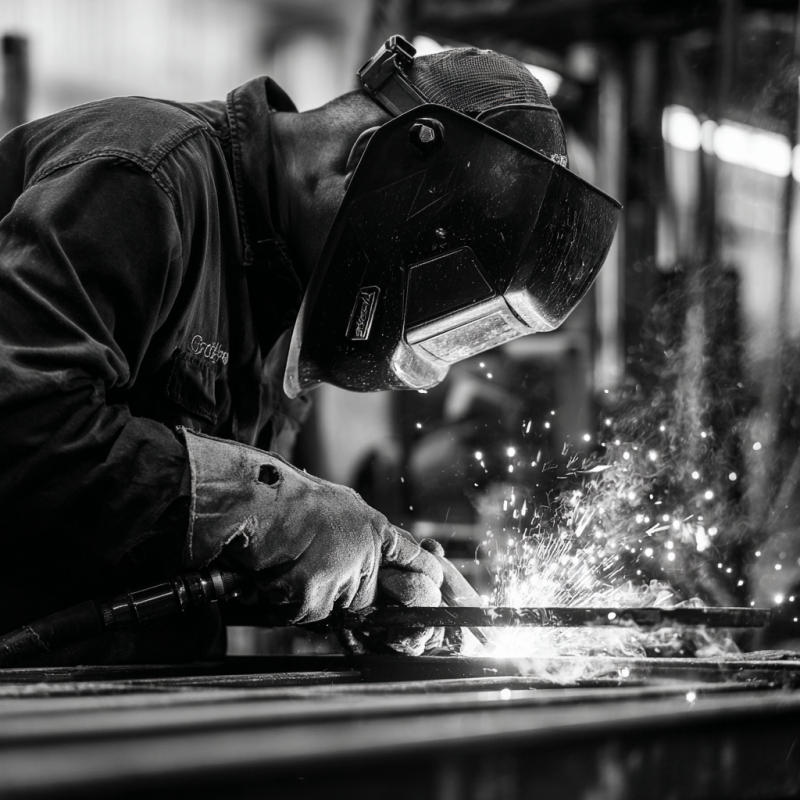
Red River LLC explains how does custom sheet metal fabrication work from design to welding and finishing. Learn how expert fabrication improves quality, safety, and efficiency across industries.
Understanding How Does Custom Sheet Metal Fabrication Work
If you’ve ever wondered, “How does custom sheet metal fabrication work,” you’re not alone. This process, which involves custom metal manufacturing techniques, transforms raw materials like aluminum, steel, or stainless steel into essential components and structures. Understanding these fabrication steps helps you save time, reduce costs, and avoid unnecessary headaches in your next project.
In this guide, you’ll discover why custom fabrication is such a big deal, where it fits into industrial applications, and how you can benefit from expert help. So, grab a comfy seat, and let’s dive right in.
How Does Custom Sheet Metal Fabrication Work?
You might hear about sheet metal across industries from energy production to automotive upgrades and wonder what makes “custom” fabrication different. In a nutshell, you’re looking at a close collaboration between you (the client) and the fabricator (the expert) to design, cut, shape, weld, and finish metal parts that meet specific requirements. That can mean anything from building a specialized pressure vessel to creating an entire prefabricated module for a facility.
Custom fabrication is about tailoring each step to match your project’s needs, including material type, thickness, dimensions, and final shape. According to Red River, a company known for contract manufacturing of ASME pressure vessels and modular solutions, custom work can drastically cut down on on-site installation times. By doing more in a controlled environment, you reduce mistakes, enhance safety, and improve overall quality. Below, we’ll walk through the basics to give you a clearer picture of where these specialized metal parts come from.
Explore the Main Steps
The custom sheet metal fabrication process isn’t just “cut here, weld there.” Each phase requires precision, communication, the right technology, and a bit of artistic flair. Let’s break it down into clear steps.
Step 1: Designing and Drafting
Everything starts with an idea often yours. Maybe you want a unique enclosure for a piece of machinery or a specialized skid system for an industrial production line. The fabricator’s engineering team takes your concept and turns it into detailed designs or 3D models.
- They might use software like BIM (Building Information Modeling) to spot conflicts early.
- Drafting is essential for accurate bends, cuts, and weld points.
Once the design is final, you’ll have a clear blueprint describing part dimensions, tolerances, and materials, the ultimate game plan that guides every step of custom metal manufacturing techniques to ensure precision and quality in the final product.
Step 2. Choosing Materials
From aluminum to stainless steel, each material has unique properties like strength, corrosion resistance, and weldability. You’ll work with your fabricator to pick the right metal based on cost, environmental conditions, and intended function.
- Aluminum: Ideal for lightweight projects that need decent corrosion resistance.
- Carbon steel: Great for robust parts and structures, often cost-effective.
- Stainless steel: Perfect for hygiene-critical or corrosive environments.
Each choice affects your final product’s performance and price. If you’re curious about typical options, consider checking out what is stainless steel sheet metal fabrication to see where stainless might fit your needs.
Step 3. Cutting and Shaping
This is where your design dreams become reality. Using stages of sheet metal fabrication, the shop slices, bends, rolls, and shapes metal precisely, transforming large sheets into the exact forms required by your blueprint with expert precision.
- Laser cutting offers tight tolerances and a clean edge.
- Press brakes bend metal accurately for brackets or enclosures.
- Rolling machines form cylinders or curved pieces.
Accuracy here matters, because any mistake in cut or bend angles can throw off the entire assembly.
Step 4. Welding and Assembly
At this stage, the metal parts come together like puzzle pieces. Certified welders follow procedures to fuse components securely and ensure structural integrity. For industrial-scale projects, Red River’s team specializes in advanced welding methods validated under ASME guidelines. Their approach to custom sheet metal fabrication involves rigorous quality checks, so each weld meets or exceeds code requirements.
During assembly, components such as supports, brackets, or internal frames might be added to create a full module or skid package. By assembling modules in a controlled facility, you minimize on-site labor, reduce shipping costs, and maintain consistent quality.
Step 5. Finishing and Quality Control
Depending on your project, additional finishing improves durability and aesthetics. Many fabricators, including Red River, follow the stages of sheet metal fabrication, adding protective coatings, sanding edges, and performing rigorous tests like leak or structural checks.
Quality control often involves:
- Material traceability (tracking each metal batch).
- Verification tests (pressure or dye-penetrant inspections).
- Detailed documentation and client review.
If you want a deeper breakdown, take a look at the sheet metal fabrication process to see how these quality checks fit within the bigger picture.
Check Key Benefits
Why go through the trouble of custom fabrication rather than off-the-shelf solutions? After all, buying standard parts can be cheaper in the short term. But custom sheet metal fabrication brings advantages that standard parts can’t match.
- Precise fit and function: Everything is built to your specifications, so you don’t waste time adapting or modifying.
- Reduced site labor: Prefabrication in a controlled environment cuts on-site installation hours.
- Higher quality: Professional teams use top-tier materials and well-defined processes, minimizing rework or failures.
- Flexibility: You can adapt designs or combine different metal types for unique needs.
Whether you’re dealing with pressure vessels, prefab modules, or specialized enclosures, you’ll benefit from a solution that’s tailor-made for your goals.
Uncover Real-world Examples
You might see custom sheet metal fabrication in applications such as:
- Industrial process skids: Modular setups designed for efficient transport and streamlined installation, including piping, pumps, and controls.
- Prefabricated facilities: Large-scale modules built off site to reduce on-site construction time and labor costs.
- ASME pressure vessels: Tanks or cylinders designed to handle high internal pressure safely, common in chemical processing or energy production.
- Specialty enclosures: Housing for sensitive electronics or chemical processes, often requiring tight tolerances and corrosion resistance.
Companies like Red River specialize in these solutions for industries ranging from energy production to water quality, mineral extraction, and beyond. By pulling multiple services design, welding, and assembly under one roof, they deliver complete, cost-effective packages more quickly than site-built options.
How Does Custom Sheet Metal Fabrication Work
By now, you’ve seen how custom sheet metal fabrication works. From design refinement to cutting, shaping, welding, and finishing, skilled fabricators turn plans into precise, reliable metal components, delivering specialized solutions that meet exact project requirements.
If you need an enclosure for new equipment, a uniquely sized pressure vessel, or even a complete modular facility, a custom approach might be your best bet. You’ll come away with a product crafted for your environment, built with carefully selected materials, and tested for safety and durability. In the end, custom sheet metal fabrication isn’t just about metal it’s about problem-solving and innovation.
Ready to Bring Your Project to Life?
Partner with RedRiver LLC for precision-engineered custom sheet metal fabrication. From design to final assembly, we deliver quality, safety, and reliability you can count on.
Contact RedRiver LLC today to discuss your project requirements.
Frequently Asked Questions
1. What is custom sheet metal fabrication?
Custom sheet metal fabrication is the process of designing, cutting, shaping, and assembling metal materials to create parts or structures tailored to specific project requirements.
2. Why use custom sheet metal fabrication?
You should use custom sheet metal fabrication to achieve precise, high-quality, and durable components that perfectly fit your unique design, function, and industry standards.
3. How do I choose the right fabricator?
Start by looking at a company’s track record, certifications, and design capabilities. Ask about whether they have experience with your specific industry needs like ASME pressure vessels or modular skids. For more tips, check out how to choose a sheet metal fabrication service provider.
4. What industries use custom sheet metal fabrication?
pressure vessels appear commonly in energy, chemical, water, and industrial facilities.
5. Do I need specific certifications if I want a pressure vessel?
Red River builds pressure vessels meeting ASME safety and performance standards.
6. How long does a project usually take?
Project timelines vary with complexity, materials, and design revisions.
7. Can custom fabrication reduce on-site safety risks?
Controlled fabrication reduces on-site hours, accidents, injuries, and insurance costs.
8. What’s the best way to maintain fabricated metal parts?
Clean, inspect, repair, and follow fabricator guidelines for lasting metal.
Key Takeaways
- Custom solutions fit your exact needs and don’t require extra modifications later.
- Prefabrication in a controlled shop can reduce overall costs and boost quality.
- Material selection is crucial; stainless steel, carbon steel, or aluminum each offers different benefits.
- ASME certifications and thorough quality control ensure reliability in critical processes like pressure vessels.
Related Blog Post
Pressure Vessel Design & Engineering: Concept to Launch
What is Pressure Vessel Design and Engineering: Code-Ready Guide
What are the Key Factors in Pressure Vessel Engineering
How Do You Design a Pressure Vessel: A Step-By-Step Guide
What is Pressure Vessel Fabrication and Manufacturing
About Author



