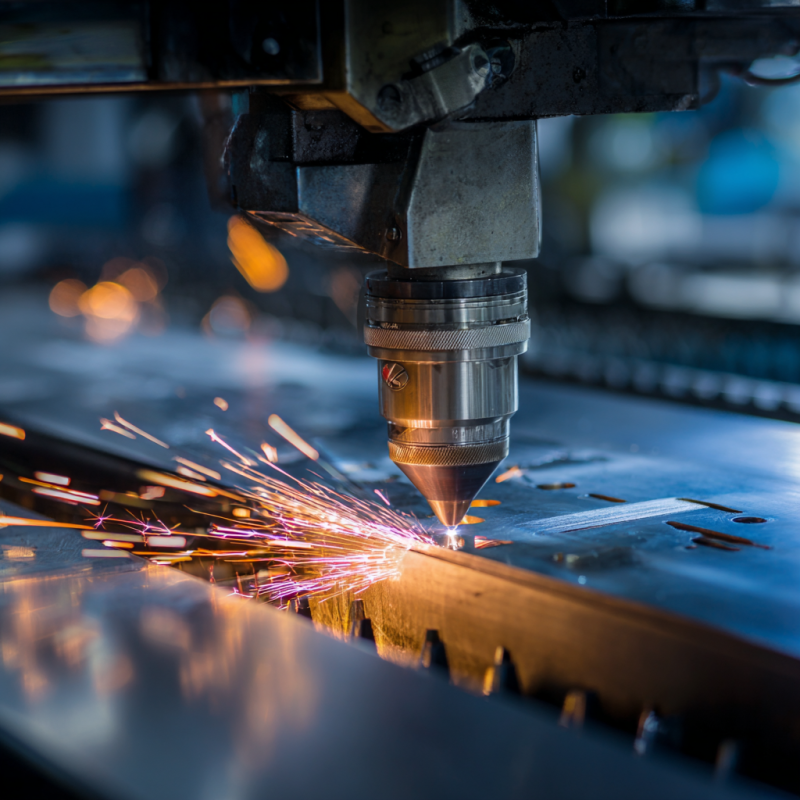
Discover how precision sheet metal fabrication improves quality, efficiency, and cost control for your industrial and custom projects. Learn how each step ensures accuracy and reliability.
Elevate Results Through Precision Sheet Metal Fabrication
Precision sheet metal fabrication can completely change the outcome of your projects. Whether creating a small prototype or a large industrial structure, precision sheet metal fabrication ensures every part fits perfectly with minimal adjustments. By using meticulously measured cuts, bends, and welds, you reduce errors and rework, saving both time and money. Investing in precision sheet metal fabrication may seem costly at first, but the efficiency and reliability it brings make it worthwhile. Companies like Red River LLC employ advanced techniques and quality control to guarantee components meet exact specifications. From custom builds to modular systems, precision sheet metal fabrication delivers consistent quality and performance. For projects where accuracy matters most, choosing precision sheet metal fabrication ensures every piece aligns precisely, creating a smoother, faster, and more predictable production process.
Explore Precision Sheet Metal Fabrication
Let’s start with a clear definition. Precision sheet metal fabrication involves cutting, bending, and shaping metal sheets to extremely exact measurements. Standard fabrication might aim for “close enough,” but precision goes a step further. The goal is to minimize error, deliver uniform parts every time, and ensure that the finished product meets or exceeds your specs.
You’ve likely seen real-world examples of precise metalwork in everything from simple kitchen appliances to large-scale industrial systems. Companies such as Red River LLC build trust and recognition by specializing in advanced processes, including custom OEM pressure vessels and modular industrial process solutions. They take prefabrication seriously, ensuring each part fits together perfectly. Prefabrication is done off-site in a controlled environment, which helps reduce environmental impacts, random delays, and on-site exposure hours. This modern approach to fabrication is about more than just making things faster; it’s about doing it better.
If you’ve been curious about custom builds too, you can explore custom sheet metal fabrication for a more tailored approach. Custom fabrication usually involves working with your project’s specific requirements thickness, durability, shape until each piece aligns precisely with your design blueprint. It’s that sort of dedicated craftsmanship that leads to less rework, lowered waste, and a more efficient path from idea to finished product.
So who benefits from precision sheet metal fabrication? In truth, almost everyone. Large corporations aiming to streamline production cycles, startups developing prototypes, or solo entrepreneurs working in their garages all gain from the efficiency and reliability that precision sheet metal fabrication provides. Accurate fits, consistent quality, and thorough quality assurance reduce costly errors and on-site labor, making projects faster and more predictable. Once you experience the difference, it’s hard to go back to standard fabrication methods.
Discover Key Fabrication Steps
Precision sheet metal fabrication doesn’t happen by magic. Each stage is carefully mapped out to transform raw metal sheets into functional components. Here’s a closer look at the key steps:
Design
Every great project starts with a solid design phase. For best results, you’ll want to combine practical sketches with computer-aided design (CAD) software. Detailed 3D models can help you visualize each element before production. Once you’ve nailed down dimensions and angles, you’re ready for the cutting room floor.
Cutting and Profiling
Depending on the thickness and type of metal, fabrication shops use laser cutting, waterjet cutting, or plasma cutting to form precise shapes. Accurate cuts set the tone for the entire project, so this step is essential. If you’re curious about how advanced or custom cutting might work, you can check out the sheet metal fabrication process. It offers insight into each slicing method and why accurate profiling pays off in the long run.
Bending and Forming
After cutting, the material moves on to press brakes or specialized bending tools as part of precision sheet metal fabrication. The goal is to transform flat sections into curved or angled surfaces while maintaining tight tolerances. Machines with CNC (Computer Numerical Control) technology enable hundreds of parts to be bent consistently, ensuring that each component meets the exact specifications required in precision sheet metal fabrication.
Welding and Joining
You can think of welding as the glue that bonds multiple metal parts together. In high-spec environments, each weld is carried out and inspected meticulously. Skilled welders know that overheating and distortion can sabotage tolerances. That’s why consistent technique is crucial, along with strict adherence to quality guidelines such as ASME standards.
If you want to dive deeper, explore guides on 1G welding position, 2G, 3G, 4G, and 5G welding techniques.
Finishing and Surface Treatments
Before calling the project complete, consider adding finishes or protective coatings, a key step in precision sheet metal fabrication. Options like powder coating, painting, or galvanizing protect the metal and enhance its appearance. These surface treatments also ensure compliance with industry regulations, which is essential in precision sheet metal fabrication for sectors such as medical devices or food processing.
Quality Control Checks
In a world where even a fraction of a millimeter can matter, frequent inspections matter. Teams like Red River LLC rely on advanced testing procedures and material traceability to confirm that each step hits its mark. This results in components that reduce your risk of breakdowns or project delays.
By following these steps, you ensure that every component meets exact specifications, a core principle of precision sheet metal fabrication. The result is tangible: less rework, fewer last-minute surprises, and a final assembly that fits and functions perfectly. Just like baking, careful measurement in precision sheet metal fabrication drastically reduces the risk of errors and ensures a reliable, high-quality outcome.
Survey Common Applications
So where does all that precision actually show up? You’ll find it across industries where exact measurements matter, highlighting the importance of precision sheet metal fabrication. From construction to automotive and energy, the benefits of precision sheet metal fabrication are evident in every sector that relies on accurately crafted metal components.
Construction and Architecture
Decorative panels, roofing elements, and ventilation systems often rely on sheet metal that is cut and shaped to exact dimensions. Those crisp edges and weather-resistant finishes are no accident. Many architectural designs also feature unique curves or intricate shapes that only a specialized fabrication shop can handle accurately.
Automotive and Transport
Vehicles, from family sedans to semitrucks, make extensive use of steel or aluminum sheet. You’ll also find critical metal features in trains, airplanes, and ships. Consistency in the underlying parts ensures safety and efficiency.
Energy and Power Generation
If you’re working in utilities or renewable energy, you know that turbines, pipelines, and certain power plant components rely on robust metal fabrication. Reliable, well-crafted parts keep systems running continuously, saving you from downtime and expensive repairs.
Custom Products and Prototypes
Got a design for a new consumer gadget, medical device, or industrial solution? Precision sheet metal fabrication is essential for rapid prototyping, ensuring each part meets exact specifications. As your concept moves to full-scale production, precision sheet metal fabrication provides a reliable, scalable method to maintain quality and consistency.
Modular Systems and Skid Packages
Manufacturers like Red River LLC specialize in prefabricated facilities, modules, and packages. These skid packages integrate essential components on a single, self-contained frame. Because everything is built to spec in a controlled environment, you can minimize guesswork and cut installation times drastically. It’s a crystal-clear example of what “precision” can achieve.
By recognizing the broad scope of sheet metal solutions, you can choose the most effective method, highlighting the value of precision sheet metal fabrication. Projects requiring exact alignment or structural integrity benefit greatly from precision sheet metal fabrication, preventing future issues caused by gaps or misaligned bends.
Choose the Right Service Provider
Choosing a fabrication partner is like picking a teammate for an important match. You want expertise, reliability, and precision, especially when it comes to precision sheet metal fabrication. Selecting the right team ensures your project benefits fully from precision sheet metal fabrication, delivering accurate, high-quality metal components every time.
Experience and Track Record
Always ask for examples of completed projects or references. A shop that’s new on the scene might be eager but still needs to prove its capabilities. Meanwhile, a trusted name often has built expertise over many projects, from small prototypes to large-scale industrial modules. You can read more about the differences in approach at what is custom sheet metal fabrication, which highlights how experience shapes project outcomes.
Certifications and Standards
Certifications such as ASME (American Society of Mechanical Engineers) are crucial when handling regulated items, ensuring your partner excels in precision sheet metal fabrication. Meeting these standards guarantees that every weld and assembly in precision sheet metal fabrication complies with strict industry benchmarks, critical for high-risk or mission-critical projects.
Workforce Skill and Capacity
A provider’s talent pool directly affects its output. Skilled welders, CNC operators, and quality control experts all play vital roles. Companies like Red River LLC pride themselves on employing highly trained teams who practice continuous improvement. If your project demands top-shelf craftsmanship, you want to ensure your partner’s crew can handle the job from start to finish.
Complementary Services
Look for a one-stop shop if you can. Some fabricators offer design consultation, finishing, assembly, and even on-site support. Why juggle multiple vendors if you can consolidate with a single partner who sees the entire process through?
Transparent Costing
Cost overruns can sink any project. Good fabricators give you a clear quote and explain exactly what you’re paying for. If your conversation with them includes confusion and hidden fees, that might be a red flag. For more insight on how budgets can vary, you can check out how much do sheet metal fabrication services cost.
Selecting a fabrication provider isn’t just a numbers game. Yes, you want competitive pricing. But you also want a team that’s easy to talk to and can pivot if your requirements change. After all, the best partnerships thrive on open communication and mutual respect.
See Why it Matters
Why does precision sheet metal fabrication matter so much? While quick fixes might seem sufficient, relying on them can lead to costly issues later. Investing in precision sheet metal fabrication ensures parts fit perfectly, reducing risks, improving safety, and saving time and money over the life of your project.
Improved Safety and Reliability
The last thing you want is a structural failure. Using precision sheet metal fabrication ensures that whether you’re building a small bracket or a massive storage tank, each part fits seamlessly. Relying on precision sheet metal fabrication reduces risks by minimizing stress points and preventing awkward angles.
Lower Total Costs
While it may cost more upfront, investing in precision sheet metal fabrication saves money over time. Using precision sheet metal fabrication reduces the need to redo parts, pay for extra labor, or fix misaligned components, ensuring efficiency and consistency.
Efficient Timelines
Projects that require numerous check-ins, revisions, and do-overs can quickly drag behind schedule. Conversely, well-planned prefabrication completed in a controlled environment drastically cuts your installation time. Red River, for example, has found that off-site manufacturing shortens schedules by synchronizing delivery with installation, a benefit they highlight through their prefabrication process.
Consistent Quality
Precision sheet metal fabrication isn’t just a fancy term. It ensures uniform parts that maintain their shape, performance, and finish from the first unit to the last. Relying on precision sheet metal fabrication gives you the consistency needed to confidently market your product line.
Expanded Possibilities
You can get more creative when you trust that the metal will be cut, bent, and welded exactly to your specs. Complex shapes or multi-part assemblies are no longer a headache. Designers and engineers can test ideas without worrying so much about mismeasurements or shoddy finishes.
Ultimately, “great metalwork” isn’t just about aesthetics, though good looks are a plus. It’s about making your life easier and your outcomes better in the long run. That’s why it pays to consider why use precision sheet metal fabrication when planning any new project, especially one that can’t afford endless trial and error on site.
Elevate with Precision Sheet Metal Fabrication
Precision sheet metal fabrication can transform the way you bring your ideas to life. You’re no longer forced to compromise on fit or finish, spending extra time patching things up after the fact. Instead, each piece arrives ready to slot into place.
With advanced modeling and controlled prefabrication, you get consistent results that minimize on-site labor, reduce exposure hours, and cut down your total timeline. You also slash the risk of rework by designing everything accurately from the start. If high-caliber performance is essential for your operation, then investing in a specialized process is a no-brainer.
As you plan your next project, remember that top-notch partners in the fabrication industry, like Red River, have the track record and expertise to guide you. When you team up with professionals who share your passion for detail, you ensure that each component meets exact criteria, every single time.
Ready to Elevate Your Project?
Partner with Red River LLC for precision sheet metal fabrication that guarantees accuracy, efficiency, and consistent quality. Get your custom quote today and see your designs come to life flawlessly.
Frequently Asked Questions
1. What is Precision Sheet Metal Fabrication?
Precision sheet metal fabrication is the process of cutting, bending, and shaping metal sheets with exact measurements to ensure each part fits perfectly and functions reliably.
2. How Does Precision Sheet Metal Fabrication Work?
It works by designing detailed 3D models, cutting the metal with laser, waterjet, or plasma tools, bending and forming parts with CNC machines, joining components through precise welding, and applying finishes while performing quality checks at every step.
3. Why Use Precision Sheet Metal Fabrication?
Precision fabrication is used to reduce rework, lower overall costs, improve safety and reliability, and ensure components fit seamlessly while allowing for complex designs and faster project timelines.
4. What Kind of Quality Checks Should I Expect?
Expect thorough inspections at each stage. These can include dimensional measurements, weld integrity checks, and sometimes pressure testing if you’re working with vessels. Companies with robust quality control, like Red River, also document everything for full traceability, so you know precisely how each piece was fabricated.
5. What Typically Drives up Fabrication Costs?
Several factors can increase costs: exotic materials (like specialty alloys), complex designs that need multiple cutting or forming stages, and finishing processes such as custom coatings. Labor skill level is also a factor. The highest quality welding and bending often involves experienced tradespeople who ensure everything meets exact standards.
6. Can I Retrofit Existing Parts Rather Than Start Fresh?
It depends on your project needs. Some parts can be retrofitted without compromising their structural integrity, while others might be faster to replace entirely. If you’re unsure, discuss your options with a qualified provider. They can assess whether modifications will meet safety and performance benchmarks or if a new build is more cost-effective.
7. How Should I Prepare My Design Files for a Fabrication Shop?
Generally, it’s best to provide digital CAD models and PDF drawings with clear tolerances and dimensions. Identify any critical areas that need special attention, such as alignment points or weld seams. Good communication at this stage can prevent errors once production begins.
8. Who can benefit from precision sheet metal fabrication?
Anyone from large industrial manufacturers to small custom projects can benefit, as it provides consistent quality, efficient production, and precise results for all types of projects.
Key Takeaway
- Precise measurements, consistent welding, and thorough inspections reduce rework and enhance overall quality.
- Prefabrication in a controlled environment cuts labor hours, lowers on-site risk, and streamlines installation.
- Partner with experienced fabricators committed to continuous improvement and strong QA processes.
- Look beyond the initial cost; accurate metal parts minimize future repairs and downtime.
- Access to comprehensive services from design consultation to finishing simplifies workflow and saves money in the long run.
Related Blog Post
Pressure Vessel Design & Engineering: Concept to Launch
What is Pressure Vessel Design and Engineering: Code-Ready Guide
What are the Key Factors in Pressure Vessel Engineering
How Do You Design a Pressure Vessel: A Step-By-Step Guide
What is Pressure Vessel Fabrication and Manufacturing
About Author