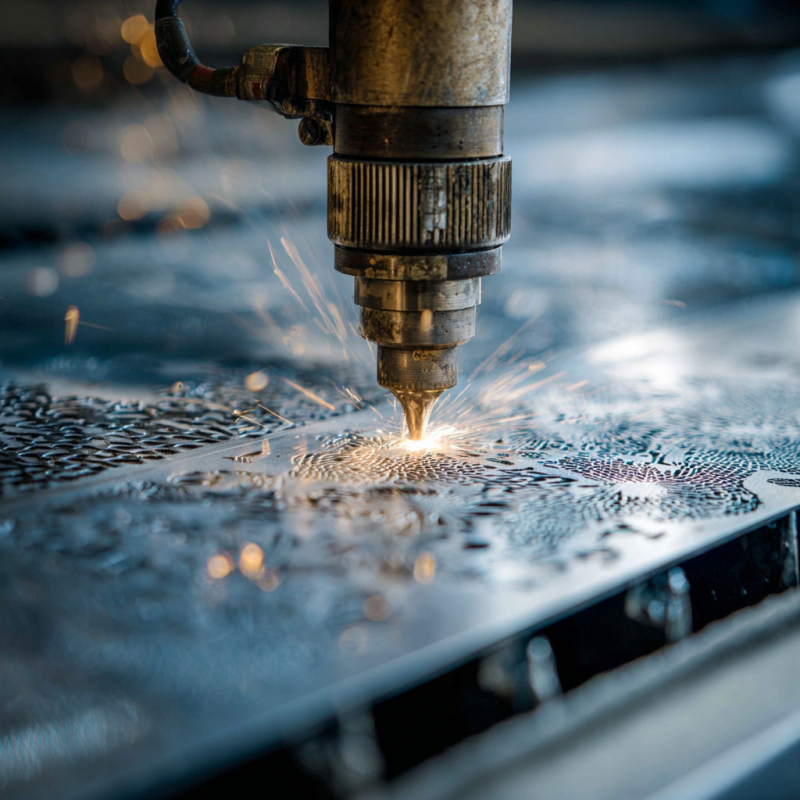
Stainless steel sheet metal fabrication delivers superior durability, corrosion resistance, and regulatory compliance. It reduces maintenance costs, improves safety, and supports efficient prefabrication for faster project turnaround.
Why Use Stainless Steel Sheet Metal Fabrication in Modern Facilities
Have you ever gazed at a piece of shiny stainless steel and wondered what makes it so special? When you’re planning any industrial or commercial project, you need materials that last, meet safety standards, and streamline your entire process. That’s where stainless steel sheet metal fabrication comes in. Not only is it dazzling to look at, but it’s known for its resilience, cost-effectiveness, and proven success across multiple industries. Let’s explore why use stainless steel sheet metal fabrication to bring out the best in your upcoming project, from reduced on-site hazards to impressive corrosion resistance.
Why use stainless steel sheet metal fabrication for your industrial needs
Stainless steel sheet metal fabrication stands out from other metals because it resists rust and corrosion, offering longer-lasting components, fewer replacements, and better ROI. Its suitability for prefabrication ensures consistent quality, fewer errors, reduced site exposure, and faster timelines ideal for facility upgrades. Stainless steel also aids regulatory compliance in industries like energy, chemical, and food processing, while allowing custom shapes without compromising strength, making it perfect for skids, pressure vessels, and specialized components. Learn more about how stainless steel sheet metal fabrication works.
Explore core benefits of stainless steel sheet metal fabrication
Stainless steel’s legendary toughness is just the beginning. If you’ve been curious about the practical advantages, here’s a closer look at a few top perks. Just imagine reducing cleanup times, cutting costs on repairs, and keeping your workforce safer, all while crafting the components you need.
Corrosion resistance and durability
Stainless steel’s resistance to corrosion is a game-changer. Many industries face challenges like constant exposure to water, chemicals, or extreme temperatures. When you factor in these harsh environments, a standard metal might rust or degrade quickly, adding maintenance headaches for you down the road.
- Stainless steel doesn’t give up easily. Its chromium content forms a protective layer that keeps it from reacting to moisture or acids.
- That means you won’t spend as much time or money on repairs, plus your final product is safer and more reliable.
High strength with reduced weight
Ever wish you could get heavy-duty strength without bulky, cumbersome parts? Stainless steel sheet metal fabrication helps you strike this balance. The metal’s high tensile strength means it can handle a significant load or pressure without dramatically adding to your structural mass.
- Thinner sheets can still reinforce your system. So you get optimal performance without bloating your final project’s weight.
- This efficiency is especially valuable if you’re designing modular units or skids that need to be transported or reconfigured.
Prefabrication for efficiency and quality
One of the main reasons why use stainless steel sheet metal fabrication is the ability to leverage off-site prefabrication. As Red River LLC highlights, working in a controlled environment helps maintain consistent temperatures, minimize dust, and prevent weather-related issues. This approach can be invaluable for keeping quality high:
- Reduced errors: When everything is measured, cut, and welded under standardized conditions, the risk of mistakes drops.
- Fewer delays: Weather doesn’t slow down production. Pieces are manufactured and then shipped to you, ready for installation.
- Lower on-site hazards: Welding and other fabrication processes take place elsewhere, which cuts down on the exposure hours at your facility.
Modular solutions for quick scaling
If you’re in a sector that demands scaling up on short notice, stainless steel fabrication is your friend. From specialized equipment to large-scale modules:
- Standardized components: Because stainless steel has predictable behavior, designing standardized pieces that fit together is straightforward.
- Flexible upgrades: You can add new modules or expand existing ones seamlessly, whether it’s an extra filtration system, an additional housing unit, or a brand-new skid.
Red River LLC specializes in designing and manufacturing prefabricated facilities, modules, and packages tailored to your distinct needs. This modular approach translates into faster turnarounds and fewer conflicts once you get everything on-site, boosting your plant’s uptime.
Compliance and safety advantages
Stainless steel is a top choice for facilities aiming to meet strict industry codes, as its non-porous surface simplifies sanitation in food and pharmaceutical operations and minimizes contamination. It also supports compliance with environmental and safety regulations. Leading fabricators like Red River LLC prioritize safety, using prefabrication for modules and pressure vessels to reduce on-site hazards and insurance liabilities. Additional benefits, such as ASME certification and adherence to American Welding Society standards, ensure your project meets or exceeds industry guidelines.
How stainless steel measures up against other metals
Aluminum is lightweight and flexible, but it might not stand up to certain corrosive elements as well as stainless steel can. Carbon steel, while robust, can require frequent maintenance when exposed to moisture. For large-scale projects, these ongoing costs add up over time.
- Stainless steel remains consistently rust-free if you choose the right grade.
- It can handle higher temperatures than aluminum, making it suitable for processes involving heat or steam.
- You often need less thickness for the same structural strength, which can save space and money.
If you’re curious about other metal fabrication processes, you might like to explore how does aluminum sheet metal fabrication work. But when corrosion resistance and reliability take top priority, stainless steel generally wins.
Navigating the sheet metal fabrication process
You’re probably wondering how to jump-start your next stainless steel fabrication project without hitting roadblocks. First, outline your goals. Are you building a custom pressure vessel or a series of prefabricated skids? Gather key specs like size, capacity, budget, and deadlines.
- Contact a reputable fabricator: Pick a company with a strong track record in stainless steel and successful prefabrication projects.
- Share your design details: Provide drawings, constraints, or regulatory requirements upfront. Many fabricators, like Red River LLC, offer modeling and engineering support.
- Review the proposal: The fabricator will propose material grades and methods that meet your needs.
- Finalize and go into production: Approved designs move into fabrication in a controlled facility.
- Delivery and installation: Prefabricated parts arrive ready to install, shortening your timeline.
For more details on these stages, read about the sheet metal fabrication process.
Why Use Stainless Steel Sheet Metal Fabrication for Long-Term Reliability
Stainless steel sheet metal fabrication combines durability, regulatory compliance, and cost savings, making it ideal for maximizing uptime, reducing on-site risks, and minimizing maintenance across industries like energy, agriculture, and chemical processing. Off-site prefabrication enhances quality control, reduces human error, avoids weather delays, improves safety, and speeds production helping businesses stay competitive. Forward-thinking companies keep choosing stainless steel for its reliability and low long-term costs. To learn more, explore stainless steel sheet metal fabrication or compare it with other materials.
Scale Your Operations with Stainless Steel Fabrication from Red River LLC
If you’re planning your next project, consider partnering with a fabricator that understands the demands of industrial-grade stainless steel applications. Red River LLC specializes in custom stainless steel vessels, modular systems, and prefabricated assemblies designed to accelerate your build schedule while reducing site exposure and insurance liabilities.
Frequently Asked Questions
1. Is stainless steel more expensive than other metals?
It can be pricier up front, but stainless steel tends to reduce long-term costs by cutting down on maintenance and replacements. You’ll likely make up for that initial investment over the life of the product.
2. What industries benefit most from stainless steel sheet metal fabrication?
Industries dealing with harsh or regulated environments like chemical processing, water treatment, and energy production gain the most value. Because stainless steel is corrosion-resistant and easy to sanitize, it works well for food processing and pharmaceutical applications too.
3. How long does the fabrication process usually take?
It depends on project scope, but prefabrication can significantly shorten your project timeline. Controlled conditions help fabricators avoid weather delays, plus specialized equipment often speeds up cutting, welding, and finishing.
4. What is stainless steel sheet metal fabrication?
Stainless steel sheet metal fabrication involves cutting, shaping, and assembling stainless steel sheets into components like industrial equipment, skids, or pressure vessels. It uses stainless steel’s durability and corrosion resistance for hygienic, regulation-compliant applications.
5. How does stainless steel sheet metal fabrication work?
The process begins with selecting the right steel grade and thickness. Sheets are cut, bent, or formed, then welded or assembled into modules. Off-site prefabrication improves quality, safety, and efficiency, with finishing steps like polishing enhancing corrosion resistance before inspection and installation.
Key Takeaway
- Stainless steel stands up to corrosive environments, delivering long-term durability.
- Prefabrication off-site saves time, lowers risks, and enhances quality control.
- You can scale up easily with modular stainless steel components that fit your operation’s needs.
- Stainless steel’s strength-to-weight ratio often outperforms other metals, reducing bulk without compromising performance.
- ASME certifications and trusted fabricators, such as Red River LLC, ensure top-tier safety and regulatory compliance.
Related Blog Post
Pressure Vessel Design & Engineering: Concept to Launch
What is Pressure Vessel Design and Engineering: Code-Ready Guide
What are the Key Factors in Pressure Vessel Engineering
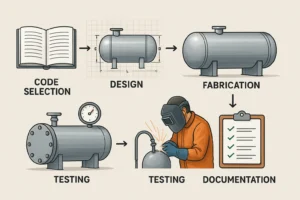
How Do You Design a Pressure Vessel: A Step-By-Step Guide
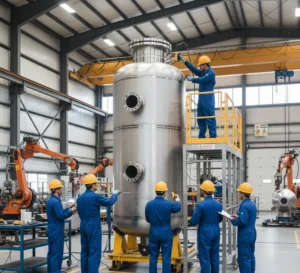
What is Pressure Vessel Fabrication and Manufacturing
About Author