Understanding metallurgy is essential for achieving high-quality, reliable welds and durable fabrication results. The Metallurgy Impact on Welding and Fabrication influences heat behavior, strength, corrosion resistance, and overall weld performance. By recognizing how metal properties affect fabrication, welders can avoid defects and ensure long-term safety. RedRiver LLC uses advanced metallurgical knowledge to deliver dependable pressure vessel solutions built for demanding environments.
Metallurgy Impact on Welding and Fabrication
Welding is as much an art as it is a science, and when it comes to fabricating pressure vessels, understanding metallurgy is crucial. At Red River, we recognize how the unique metallurgical properties of each material can influence challenges during welding and fabrication. Whether working with carbon steel, stainless steel, or specialized alloys, the composition of the metal plays a significant role in shaping the process. That’s why our team goes the extra mile, thoroughly understanding the materials we use to ensure precise, high-quality welds every time.
How Metal Composition Affects Welding Techniques
Different metals require different welding techniques to achieve optimal results. For example, welding carbon steel is relatively straightforward compared to stainless steel, which has a higher chromium content and can be more challenging. The composition of the metal dictates the heat input, filler material, and even the welding speed. At Red River, our skilled welders are trained to adjust their techniques based on the metal composition, ensuring the integrity of every weld.
Common Metallurgical Properties That Influence Welding
Several metallurgical factors can influence how a metal behaves during welding. Properties like hardness, tensile strength, and thermal conductivity play a role. Metals with high thermal conductivity, such as aluminum, dissipate heat quickly, requiring more controlled heat inputs. On the other hand, metals with high carbon content can become brittle if not properly managed during welding. These are just a few examples of why understanding metallurgical properties is critical in producing high-quality pressure vessels.
The Role of Heat Treatment in Welding Complex Metals
Heat treatment is often required when working with more complex metals to ensure proper weld strength and durability. Preheating or post-weld heat treatment can reduce stress and minimize the risk of cracking, particularly in high-strength alloys or thick materials. At Red River, we incorporate heat treatment into our welding process when necessary, ensuring that the final product is structurally sound and built to last.
Fabrication Issues Arising from Metallurgical Differences
Not all metals behave the same when it comes to pressure vessel fabrication. Variations in metallurgical properties create unique challenges that must be addressed to ensure a successful project. At Red River, we understand how these differences impact the fabrication process and are equipped to handle the most demanding materials.
Why Metallurgical Variations Impact Metal Fabrication
Metals differ in composition, and these variations directly affect how they respond during fabrication. Some metals, like stainless steel, are more corrosion-resistant but can be harder to weld or cut. Others, such as carbon steel, are easier to work with but may require additional treatments to enhance durability. Understanding these factors is essential to producing high-quality results.
Metal Strength and Ductility in Fabrication Challenges
Two critical metallurgical factors that influence fabrication are strength and flexibility. High-strength metals can withstand extreme pressures but may be less pliable, making them prone to cracking during bending or forming. Conversely, ductile metals may deform too easily. We carefully balance these properties at Red River to ensure a strong, durable product.
Overcoming Metallurgical Hurdles in Fabrication
With years of experience and advanced technology, Red River is adept at overcoming the challenges posed by metallurgical differences. We tailor our fabrication techniques to suit the specific properties of each metal, ensuring precision, quality, and long-term performance.
Practical Solutions to Address Metallurgical Challenges in Welding and Fabrication
At Red River, we’ve developed a deep understanding of how metallurgical properties can complicate welding and fabrication. Tackling these challenges requires the right techniques and an experienced team. We bring both to the table, providing practical solutions tailored to each project’s needs.
Choosing the Right Welding Techniques for Different Metal Alloys
Each metal alloy brings unique challenges to the welding process. Materials like carbon steel, stainless steel, and specialized alloys require specialized techniques to achieve optimal results. The skilled team at Red River is proficient in various welding methods, including MIG and TIG, and tailors their approach to suit the specific composition of the alloy, ensuring dependable and high-quality welds every time.
The Importance of Pre- and Post-Weld Heat Treatment
Heat treatment is often essential for reducing stress and preventing defects like cracking or warping. Pre-heating metals before welding and conducting post-weld heat treatment ensures the integrity of the weld, especially in high-strength or heat-sensitive materials. Red River incorporates these treatments as needed, ensuring long-term durability and safety.
How Red River’s Expertise Minimizes Metallurgical Complications
With decades of experience in pressure vessel fabrication, Red River has the knowledge and technology to anticipate and overcome metallurgical challenges. Our customized solutions, paired with advanced techniques, minimize complications and deliver high-quality results that meet rigorous industry standards.
Why Metallurgy Knowledge is Critical for Success in Metal Fabrication
A thorough understanding of metallurgy is essential to delivering high-quality products in metal fabrication. At Red River, we know that the key to fabricating durable, efficient pressure vessels lies in understanding the unique properties of the metals we work with. This knowledge allows us to tackle complex projects confidently and precisely, ensuring our clients receive only the best results.
Understanding Metal Properties to Ensure Durability and Quality
Metals vary in composition, strength, corrosion resistance, and flexibility. These properties significantly impact a material’s behavior during fabrication, welding, and operational stress. By understanding these metallurgical characteristics, Red River can select the right metal for each job, ensuring the final product is durable, high-performing, and able to withstand harsh conditions. Whether working with carbon steel or specialty alloys, our knowledge of metal properties helps us meet the stringent demands of pressure vessel applications.
How Red River Ensures Precision with Metallurgy Expertise
Red River’s team combines technical expertise with cutting-edge technology to ensure precision in every project. We assess each material’s properties, adjusting our fabrication techniques to minimize errors and avoid potential failures. This deep understanding of metallurgy allows us to deliver solutions that meet industry standards, exceed customer expectations, and provide long-lasting performance.
Metallurgy Impact on Welding and Fabrication
Metallurgy directly shapes weld quality, fabrication performance, durability, and safety. The Metallurgy Impact on Welding and Fabrication is the foundation for successful pressure vessel production, ensuring each component withstands demanding conditions. Through careful material evaluation, advanced welding methods, and rigorous inspection strategies, RedRiver LLC delivers long-lasting solutions built on metallurgical excellence.
Need a reliable partner?
Red River specializes in the design and manufacturing of pressure vessels. We also fabricate related items such as prefabricated spools and skid packages.
Reach Out to us today and experience the Red River difference. Where American Made and American Values come together, we care more.
Frequently Asked Questions
1. What is the Metallurgy Impact on Welding and Fabrication?
Metallurgy determines how metals react to heat, stress, and joining processes, making it essential for achieving strong welds and durable fabrications. It influences metal strength, corrosion resistance, heat behavior, and weldability.
2. What are the safety standards for pressure vessels?
Safety standards outline material requirements, testing procedures, and manufacturing practices that ensure pressure vessels operate safely under expected conditions.
3. What is ASME code for pressure vessel safety?
It is a set of rules that define safe design, fabrication, and inspection methods for pressure vessels, guiding manufacturers on approved practices and quality control.
4. How do pressure vessels comply with safety regulations?
They comply through correct material selection, qualified welding procedures, proper fabrication processes, and documented inspection records throughout production.
5. How to inspect a pressure vessel?
Inspection includes checking weld integrity, surface conditions, pressure levels, corrosion areas, and verifying that fabrication meets required standards.
6. What to include in a pressure vessel inspection checklist?
An inspection checklist includes weld condition, material condition, corrosion points, pressure readings, fittings, seals, and overall structural integrity.
7. How often do pressure vessels need to be inspected?
Inspection frequency depends on operating conditions, material type, and regulatory requirements, ensuring long-term reliability and safety.
Key Takeaways
- Metallurgy determines weld quality, heat behavior, and fabrication performance.
- Material properties shape welding techniques and safety compliance.
- Heat treatment enhances durability and reduces stress in welded components.
- Metallurgical understanding prevents fabrication defects and supports safety standards.
- RedRiver LLC delivers quality results through deep metallurgical expertise.
Related Blog Post
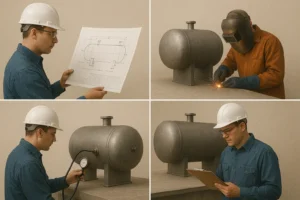
Pressure Vessel Design & Engineering: Concept to Launch
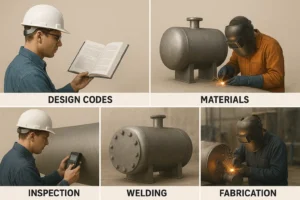
What is Pressure Vessel Design and Engineering: Code-Ready Guide
What are the Key Factors in Pressure Vessel Engineering
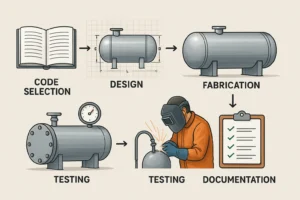
How Do You Design a Pressure Vessel: A Step-By-Step Guide
What is Pressure Vessel Fabrication and Manufacturing
No subpillar set for this blog post.
About Author