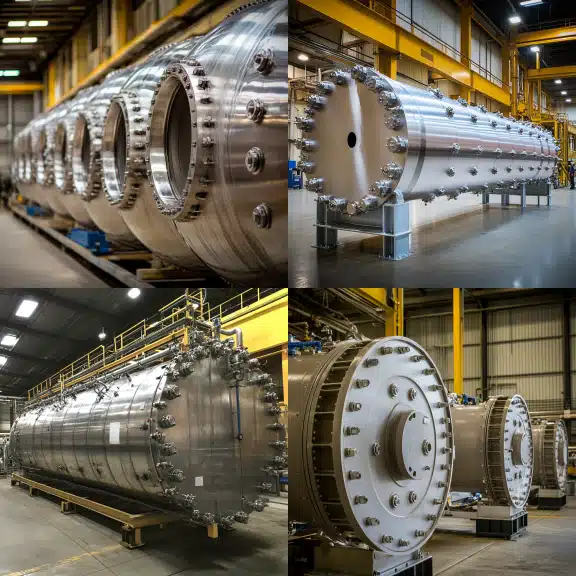
Fluid Dynamics in Dehydrator Pressure Vessels is the quiet driver behind dehydration performance, safety, and operating cost. When flow is balanced, water separates cleanly, pressure stays stable, and internals last longer. Poor flow creates carryover, hotspots, and unnecessary strain on the vessel. RedRiver LLC designs dehydrator pressure vessels with flow behavior in mind, helping operators achieve reliable dehydration and long-term compliance.
Why Fluid Dynamics in Dehydrator Pressure Vessels Matters
At Red River, we know fluid dynamics play a crucial role in the performance of dehydrator pressure vessels. Essentially, how fluids behave and flow inside the vessel directly impacts its efficiency in separating water from hydrocarbons. By optimizing flow patterns through advanced pressure vessel design and engineering, businesses benefit from better performance, reduced downtime, and measurable cost savings.
Whether you operate in oil and gas, biogas, or energy generation industries, fluid dynamics should be a top priority when planning custom-engineered pressure vessel solutions.
Understanding Fluid Behavior in Pressure Vessels
In any pressure vessel, fluid movement is driven by elements such as pressure, temperature, and the system’s internal geometry. For efficient operation, it’s crucial to maintain balance between laminar and turbulent flow. Additionally, ensuring that both liquid and gas phases separate effectively lowers the risk of carryover or incomplete dehydration.
Impact on Dehydration Efficiency
Optimized fluid dynamics enhance more than just separation; they also improve overall efficiency. Efficient flow reduces power consumption, extends equipment lifespan, and lowers operational costs. Red River supports clients by integrating flow-aware internals during pressure vessel fabrication and manufacturing, ensuring even distribution within the vessel.
By doing so, operators achieve consistent dehydration results with minimal maintenance requirements.
Common Flow Patterns in Dehydrator Pressure Vessels
Fluid flow within pressure vessels typically follows two patterns: laminar and turbulent. Both patterns affect how well fluids are separated and influence energy consumption. Understanding and controlling these patterns ensures optimized vessel performance, reduced operational costs, and improved product quality.
Laminar vs. Turbulent Flow
Laminar flow occurs when fluids move in smooth, parallel layers, minimizing disruption. This flow type is ideal for precise phase separation. Turbulent flow, marked by chaotic movement, can increase separation challenges but may improve heat transfer in controlled zones. Through engineered vessel internals and ASME-certified pressure vessel manufacturing, Red River balances both flow types to maximize dehydration efficiency.
Flow Distribution Challenges
One of the most common challenges in dehydrator systems is maintaining uniform flow distribution. Uneven flow increases energy use and reduces separation quality. Red River addresses this by designing vessels with optimized inlets, internals, and outlets—often supported by custom-built modular skid systems that ensure stable upstream and downstream flow conditions.
Optimizing Flow Dynamics for Better Dehydration
Optimizing fluid dynamics in dehydrator vessels is essential for achieving top dehydration efficiency. By improving flow patterns, businesses can reduce costs, extend equipment life, and increase overall system reliability. At Red River, we provide tailored solutions to meet the specific requirements of your operation, ensuring first-rate value and performance.
Design Considerations for Improved Fluid Flow
A well-designed vessel layout is critical to fluid performance. Strategically placed baffles, optimized inlet nozzles, and efficient outlet configurations significantly improve flow behavior. These elements are integrated during custom vessel fabrication and prefabrication services to maintain laminar flow where needed while limiting harmful turbulence.
Custom internals are engineered collaboratively with clients to maximize dehydration efficiency and operational reliability.
Additionally, custom internals can be designed to control flow more effectively, leading to better dehydration outcomes. At Red River, we collaborate closely with our clients to develop designs that maximize overall performance and efficiency.
Maintenance and Monitoring for Optimal Flow
Regular maintenance and monitoring are essential for ensuring long-term performance in dehydrator pressure vessels. Periodic inspections of internal components, combined with advanced flow-tracking systems, help identify potential flow disruptions early. This proactive approach minimizes downtime and ensures that your vessel operates at peak efficiency. By adopting these practices, businesses can extend the life of their equipment and maintain consistent performance over the years. Regular maintenance and monitoring are essential for ensuring long-term performance in dehydrator pressure vessels. Periodic inspections of internal components, combined with advanced flow-tracking systems, help identify potential flow disruptions early. This proactive approach minimizes downtime and ensures that your vessel operates at peak efficiency. By adopting these practices, businesses can extend the life of their equipment and maintain consistent performance over the years.
Fluid Dynamics in Dehydrator Pressure Vessels
Fluid Dynamics in Dehydrator Pressure Vessels is one of the biggest levers for consistent dehydration. Stable flow supports clean separation, lower energy use, and reduced wear on internals. Unstable flow leads to carryover, performance drift, and higher risk during inspections. By pairing flow-aware design with Pressure Vessel Safety Standards and Compliance, operators get a dehydrator pressure vessel that works reliably and stays safe over time. RedRiver LLC builds dehydration vessels with these realities in mind, helping clients protect performance and compliance through every stage of service.
Experience the Red River Difference
Red River specializes in the design and manufacturing of pressure vessels. We also fabricate related items such as prefabricated spools and skid packages.
Reach Out to us today and experience the Red River difference. Where American Made and American Values come together, we care more.
Frequently Asked Questions
1. What causes poor fluid dynamics in dehydrator pressure vessels?
Poor fluid dynamics typically come from uneven inlet distribution, excessive turbulence in settling zones, clogged internals, or worn baffles. These issues reduce separation quality and can increase carryover.
2. How do baffles improve fluid flow in dehydrator vessels?
Baffles guide the process stream into stable paths, reduce chaotic swirls, and encourage phase separation. They help gas and liquids exit through the correct routes without re-entrainment.
3. What signs show that flow patterns in a dehydrator vessel need improvement?
Common signs include reduced dehydration efficiency, higher carryover, unstable outlet quality, unexpected pressure changes, or uneven wear on internal components.
4. Can turbulent flow ever be useful in a dehydrator pressure vessel?
Yes, controlled turbulence can help distribute flow or improve heat transfer in certain zones. The key is limiting turbulence to areas where it supports performance rather than disrupts separation.
5. How does regular maintenance support strong fluid dynamics?
Maintenance keeps flow-critical internals clean and functional, prevents deposits from narrowing paths, and ensures baffles and eliminators stay aligned. This protects performance and extends vessel life.
6. How do safety standards connect to fluid dynamics in dehydrator vessels?
Safety standards require vessels to operate within stable pressure and stress limits. Good fluid dynamics reduce damaging fluctuations and help the vessel stay compliant during inspections.
Key Takeaways
- Fluid Dynamics in Dehydrator Pressure Vessels drives separation quality and operating cost.
- Flow-aware design reduces carryover and protects internal components.
- Pressure Vessel Safety Standards and Compliance depend on stable, low-stress operation.
- Pressure Vessel Inspection and Maintenance keeps flow paths reliable over time.
- RedRiver LLC supports flow-optimized vessels at our official website.
Related Blog Post
Pressure Vessel Design & Engineering: Concept to Launch

What is Pressure Vessel Design and Engineering: Code-Ready Guide
What are the Key Factors in Pressure Vessel Engineering

How Do You Design a Pressure Vessel: A Step-By-Step Guide
What is Pressure Vessel Fabrication and Manufacturing
About Author