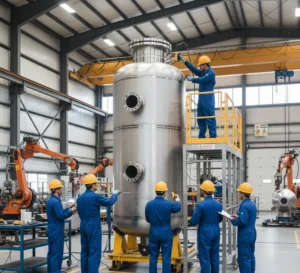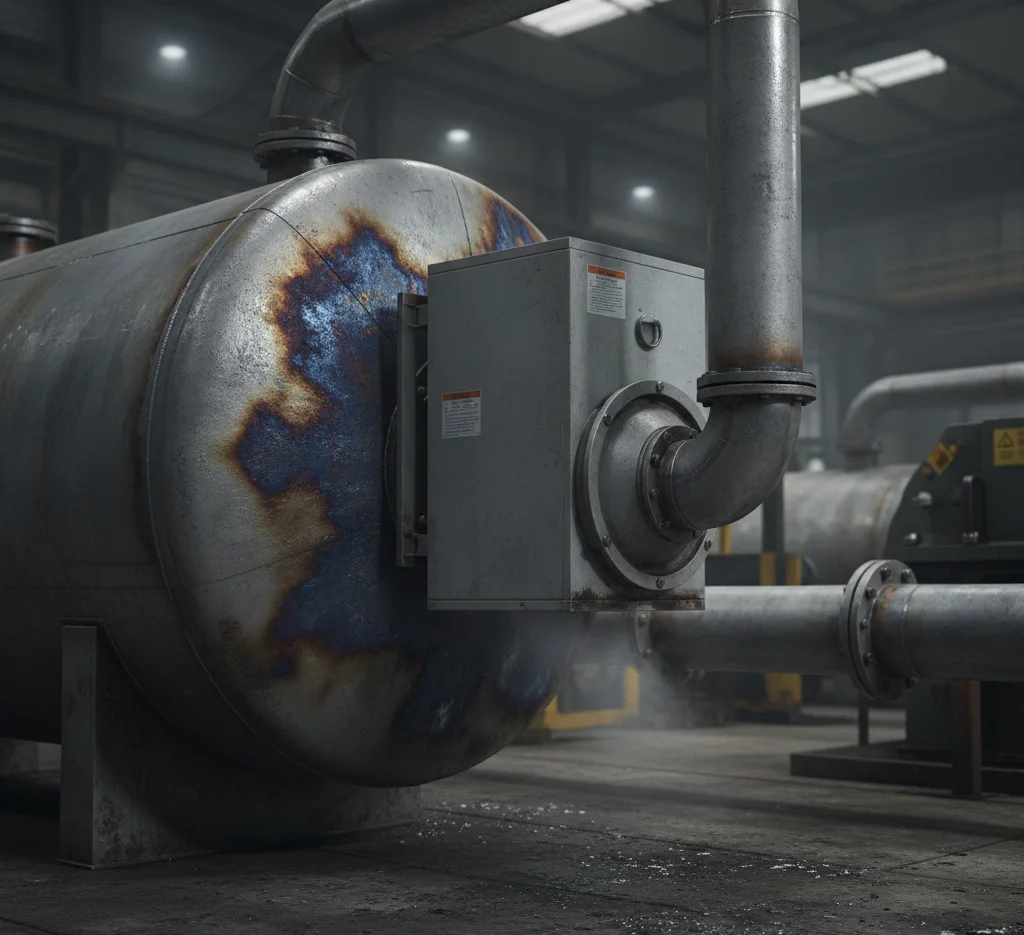
Overheating desiccants reduces their ability to absorb moisture by damaging their chemical structure, which can compromise system safety and performance. Maintaining proper temperature control is essential to preserve desiccant effectiveness and prevent costly equipment issues.
Introduction to Overheating Desiccant Effects and Its Uses
What is Desiccant?
Desiccants are substances that effectively absorb moisture from the air, thereby keeping environments dry and preventing damage caused by humidity. These materials play a crucial role across industrial sectors, particularly in systems involving pressure vessels, compressed air, and gas processing equipment.
If you’re new to vessel systems, our guide on Understanding Pressure Vessels: A Comprehensive Guide explains how moisture impacts performance and safety.
In many industrial applications, desiccants are housed within engineered systems such as Pressure Vessels designed for safe containment and optimized performance.
Common Applications of Desiccant
You’ll find desiccants in packaging, compressed air systems, and large-scale industrial operations. For example:
- In oil and gas, desiccants prevent corrosion inside separation and storage vessels.
- In power generation, they protect sensitive instrumentation.
- In biogas and renewable energy systems, they preserve operational integrity.
For a deeper dive into industrial drying systems, read Understanding Desiccant Dryers – Key to Optimized Air Quality in Industrial Applications.
You can also explore how adsorption works in compressed air systems in Understanding Adsorption Air Dryers.
When comparing moisture removal systems, see The Difference Between a Water Separator and a Desiccant Dryer.
For broader separation technology applications, visit The Importance of Separator Technology.
Importance of Temperature Control in Desiccant Performance
Temperature control is essential for maximizing desiccant efficiency. When desiccants exceed their rated thermal limits, adsorption capacity drops significantly.
If moisture accumulates inside vessel systems, it can accelerate corrosion. Learn more in Water Presence in Pressure Vessels: Considerations and Implications.
Improper thermal management may also lead to mechanical stress. Review common failure risks in Types of Failure in Pressure Vessels and Failure Criteria for Pressure Vessels.
Maintaining correct temperature parameters is part of overall compliance. See Safety and Compliance in Pressure Vessel Design.
Can You Overheat Desiccant?
Defining Overheating in the Context of Desiccant
Yes desiccant can absolutely be overheated.
Overheating occurs when materials like silica gel, activated alumina, or molecular sieves exceed their maximum regeneration or operating temperature. When this happens, internal pore structures may collapse or chemically degrade.
If your system uses molecular sieves, review The Basics Behind Molecular Sieves and All About Molecular Sieves.
For regeneration best practices, see How to Dry the Molecular Sieve – A Complete Guide and Activating Molecular Sieves.
Signs of Overheated Desiccant
Recognizing overheating early can prevent costly downtime. Signs include:
- Color change (in indicating desiccants)
- Brittleness or powdering
- Reduced moisture adsorption
- Dust contamination downstream
If your system requires proper dryer sizing to avoid overheating, read How to Size a Desiccant Dryer.
To evaluate material performance differences, explore Types of Desiccant Materials Guide and Most Efficient Desiccant.
Overheating vs. Optimal Operating Temperatures
Operating within recommended limits preserves both desiccant integrity and vessel safety.
High temperatures combined with pressure cycling may affect welds and structural integrity. Learn more in:
- Important Points to Be Considered While Designing a Pressure Vessel – Red River LLC
- Manufacturing Process of Pressure Vessels
- Pressure Vessel Manufacturing and Inspections
For code compliance, see:
Effects of Overheating Desiccant
When it comes to managing desiccant within your pressure vessels, understanding the effects of overheating is crucial. At Red River LLC, we prioritize the quality and efficiency of our products, and part of that commitment involves ensuring our clients are well informed about potential issues like overheating desiccant.
Chemical Degradation of Desiccant Materials
Is it possible to overheat the desiccant? Absolutely, and the consequences can be significant. When desiccant materials are exposed to excessive heat, their chemical structure can degrade. This degradation not only diminishes the desiccant’s ability to absorb moisture but also shortens its lifespan. What happens if desiccant overheats? The molecular stability is compromised, leading to a reduced capacity for moisture adsorption.
Need a reliable partner?
Red River specializes in the design and manufacturing of pressure vessels. We also fabricate related items such as prefabricated spools and skid packages.
Reach Out to us today and experience the Red River difference. Where American Made and American Values come together, we care more.
Frequently Asked Questions
1. What types of desiccants have the maximum risk of overheating?
Different desiccants have varying warmth tolerances. For instance, silica gel can normally face up to better temperatures in comparison to molecular sieves, which might be greater touchy to heat. It’s crucial to refer to the producer’s specifications for every kind of desiccant to apprehend their warmth tolerance limits.
2. How can I screen the temperature of my desiccant to save you from overheating?
To save you from overheating, use temperature monitoring equipment such as thermocouples or infrared thermometers. These gadgets can offer actual-time temperature readings, permitting you to take corrective moves earlier than the desiccant is damaged. Implementing computerized temperature management systems also can help maintain most excellent situations.
3. Can overheated desiccant be restored or reused?
Once a desiccant is overheated, its moisture-soaking-up houses are often permanently compromised. However, some desiccants can be regenerated via managed heating processes. It’s crucial to follow specific suggestions for every desiccant kind to avoid similar harm during regeneration.
4. What are the financial influences of the use of overheated desiccant in commercial programs?
Using overheated desiccant can cause extended operational charges. Inefficient moisture absorption can result in device damage, product spoilage, and more common desiccant replacements. These factors contribute to better renovation fees and capacity downtime, impacting average productiveness.
5. Are there any superior materials or technologies that can prevent desiccant overheating?
Yes, advancements in cloth science have led to the improvement of desiccants with better thermal stability. Additionally, integrating clever sensors and IoT technology into desiccant systems lets in for continuous monitoring and automated modifications, reducing the chance of overheating and improving normal gadget performance.
Key Takeaways
- Desiccants are widely used to prevent moisture damage in industries like oil & gas, power generation, and biogas.
- Excessive heat can degrade desiccant materials, making them brittle, discolored, and unable to absorb moisture effectively.
- Monitoring temperature with sensors and following manufacturer heat-tolerance limits helps prevent overheating.
- Overheated desiccants can lead to higher operational costs, equipment damage, and increased downtime.
Related Blog Post

Pressure Vessel Design & Engineering: Concept to Launch

What is Pressure Vessel Design and Engineering: Code-Ready Guide
What are the Key Factors in Pressure Vessel Engineering

How Do You Design a Pressure Vessel: A Step-By-Step Guide