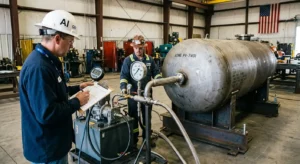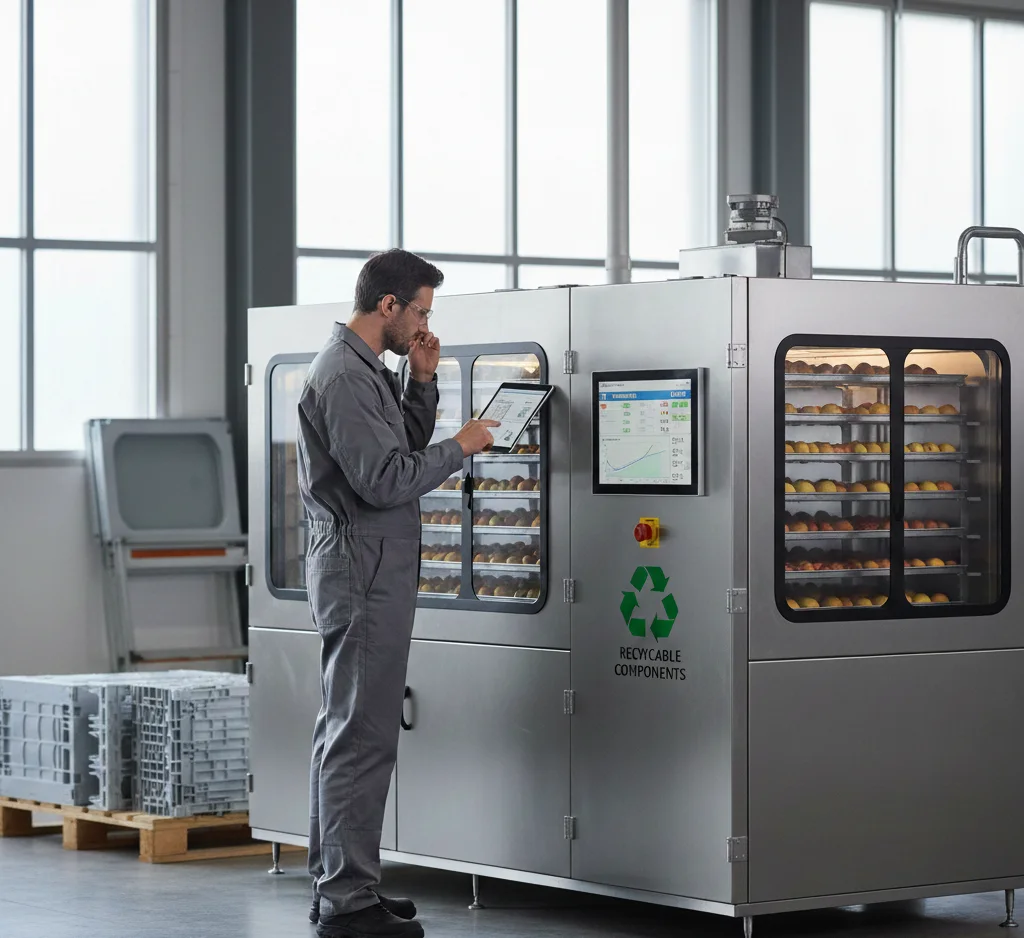
Dehydrator lifecycle management focuses on designing, operating, maintaining, and disposing of dehydrators in ways that reduce energy use, emissions, and waste. By adopting efficient technology, sustainable materials, and responsible disposal practices, businesses can extend equipment life while significantly lowering their environmental impact.
The Dehydrator Lifecycle Management
At Red River, we recognize that environmental sustainability is not just a buzzword but a responsibility rooted in how industrial systems are designed, built, and managed. Our approach to dehydrator lifecycle management aligns closely with our broader commitment to engineered solutions outlined across our capabilities and solutions offerings. How a dehydrator is handled from design and fabrication through operation, maintenance, and final disposal plays a critical role in reducing environmental impact. That is why Red River supports sustainable practices that improve efficiency, extend equipment life, and minimize ecological footprint through proven metal fabrication and system integration expertise.
What is Dehydrator Lifecycle Management?
Dehydrator lifecycle management refers to the strategic planning and execution of processes that govern every phase of a dehydrator’s service life. This includes engineering, manufacturing, operation, maintenance, and end-of-life disposal. Proper lifecycle control improves operational reliability while supporting environmental goals tied to responsible manufacturing and pressure vessel fabrication. At Red River, we apply principles used in pressure vessel manufacturing processes and modular skids to ensure dehydrator systems are designed for longevity, efficiency, and sustainability.
Key Environmental Factors in Dehydrator Lifecycle Management Use
Every stage of a dehydrator’s lifecycle carries environmental implications. During operation, energy consumption, emissions, and material efficiency directly affect carbon footprint. Drawing on experience with desiccant dryers and adsorption air dryers, Red River emphasizes optimized system design that reduces energy demand while maintaining performance. Integrating best practices from industrial pressure vessel design ensures dehydrators operate efficiently under demanding conditions.
Sustainable Practices for Dehydrator Lifecycle Management Operations
Sustainable dehydrator operations rely on engineering efficiency and responsible material selection. Red River applies the same sustainability-driven principles used in custom pressure vessel manufacturing and prefabrication to dehydrator systems. By reducing waste, improving energy efficiency, and selecting durable materials, businesses can achieve long-term operational and environmental benefits.
Minimizing Energy Use in Dehydrator Lifecycle Management
Reducing energy consumption is essential for lowering operating costs and environmental impact. Advanced dehydrator designs benefit from the same heat management strategies used in industrial pressure vessels and air receiver vessels. Preventive maintenance practices similar to those recommended in pressure vessel inspection help prevent efficiency losses. Smart controls and automated monitoring systems further optimize energy usage by adjusting performance during low-demand periods.
Eco-Friendly Materials and Maintenance Approaches
Materialselection and maintenance strategies significantly influence sustainability. Red River encourages recyclable materials and environmentally responsible maintenance methods aligned with best practices in choosing the right material for pressure vessel fabrication. Using durable components reduces replacement frequency while maintenance approaches inspired by ASME-certified pressure vessels help extend system lifespan and reduce waste.
Reducing Environmental Impact Through Efficient Dehydrator Disposal
Responsible end-of-life management is a critical component of dehydrator lifecycle management. Drawing from disposal and reuse strategies applied in pressure tanks vs pressure vessels, Red River promotes recycling and refurbishment to reduce landfill waste. Sustainable disposal practices align with broader environmental commitments detailed in our about us philosophy.
Proper Disposal and Recycling Methods
When a dehydrator reaches the end of its service life, proper disassembly and recycling are essential. Metals, electronics, and reusable components can be processed using methods similar to those outlined in three types of metal fabrication and fabrication process cutting folding welding. Components such as heat exchangers and pressure-containing parts may be refurbished using standards found in pressure vessel fabrication steps, reducing raw material demand.
Reducing Waste in the Dehydrator Lifecycle Management
Minimizing waste at some point in the dehydrator’s lifecycle contributes substantially to sustainability dreams. By decreasing waste for the duration of production, protection, and disposal, businesses can decrease their environmental impact. Implementing lean operational methods and reusing additives, not simplest cuts down on waste but also improves fee efficiency, helping sustainability and profitability.
Ready to work with a proven manufacturing partner?
Red River provides expertly engineered pressure vessels, prefabricated spools, and skid packages designed for performance and compliance.
Request a quote or Reach Out to us today and experience the Red River difference.
Frequently Asked Question
1. What are the principle environmental effects of dehydrators in industrial settings?
The primary environmental impacts of dehydrators in commercial settings come from strength intake, emissions, and waste generated for the duration of operation and upkeep. Dehydrators require good-sized energy to feature, which could contribute to a higher carbon footprint if not controlled nicely. Inefficient dehydrators also can release greater emissions, inclusive of greenhouse gases, into the ecosystem. Additionally, incorrect disposal of components or the use of unsustainable substances can result in improved environmental waste.
2. How can agencies lessen the carbon footprint in their dehydrators?
Reducing the carbon footprint of dehydrators can be finished through several techniques. First, agencies can spend money on energy-efficient dehydrators that use advanced generations to optimize warmth distribution and decrease power utilization. Routine protection, which includes cleaning filters and checking for leaks, additionally allows hold efficiency. Moreover, imposing smart controls that regulate energy use based on on-call can help lower needless power consumption. Recycling and reusing elements at the quit of the device’s lifecycle in addition contribute to a decreased environmental effect.
3. Are there eco-friendly options to standard dehydrator materials?
Yes, there are several eco-friendly alternatives available for dehydrator manufacturing and upkeep. For example, groups can use recyclable metals and sustainable materials for components that require frequent replacement. Eco-friendly lubricants and cleaning marketers also can be included into preservation routines to lessen using harmful chemicals. Furthermore, whilst elements attain the quit of their lifespan, they can regularly be refurbished or recycled to decrease waste.
4. What role does protection play in decreasing the environmental impact of dehydrators?
Proper renovation is key to decreasing the environmental impact of dehydrators. By regularly servicing the equipment, corporations can prevent electricity losses resulting from clogged filters or malfunctioning additives. Additionally, adopting green protection practices, along with the use of sustainable cleansing agents and making sure the right disposal of worn elements, reduces waste and chemical runoff. Regular inspections additionally enlarge the equipment’s lifestyles, decreasing the need for premature replacements and retaining resources.
5. How can agencies responsibly take away commercial dehydrators?
Responsible disposal of commercial dehydrators involves recycling, reusing, or refurbishing key additives. Parts like metals, plastics, and electronics can be separated and despatched to specialized recycling centers, preventing them from ending up in landfills. Many manufacturers provide programs to take back vintage equipment for refurbishment, allowing businesses to limit their waste. Ensuring the right disposal via certified waste management vendors no longer only helps the environment but also ensures compliance with environmental policies.
Key Takeaways
- Sustainable lifecycle practices improve energy efficiency, reduce emissions, and minimize waste.
- Regular maintenance and smart controls help cut power consumption and enhance performance.
- Using recyclable materials and eco-friendly maintenance products lowers environmental footprint.
- Responsible end-of-life disposal through recycling and refurbishing prevents landfill waste and conserves resources.
Related Blog Post
Condensate Tanks: Types, Fabrication, and ASME Code
Which Tests Validate Deaeration in Pressure Systems?
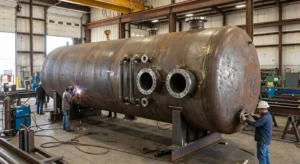
Equalization Tanks: Design, Sizing, and Fabrication
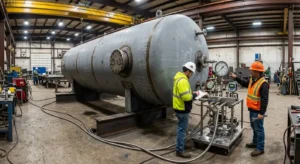
What Are Thermal Storage Testing Standards for TES Vessels?