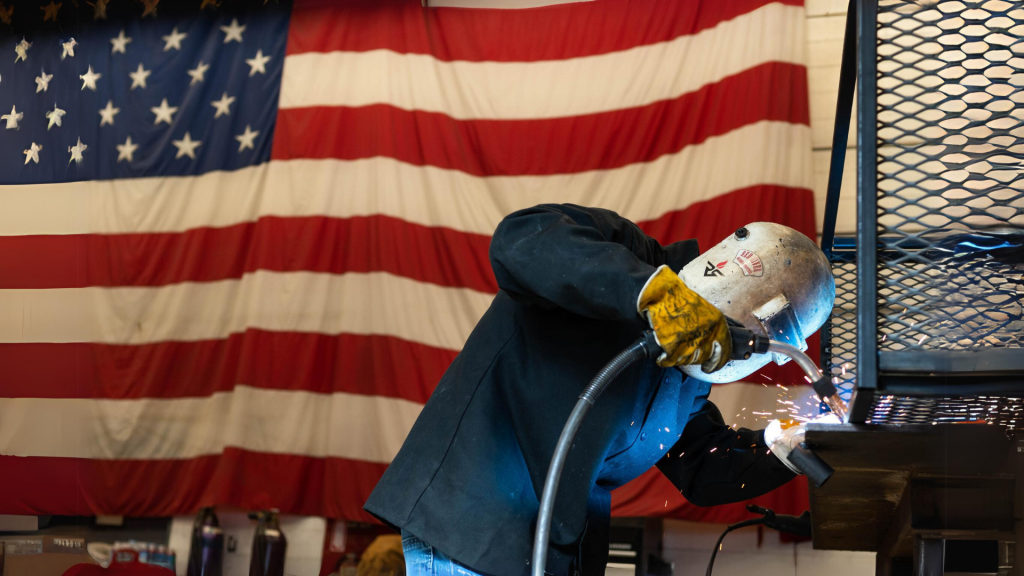
Pressure vessels can fail through multiple mechanisms such as brittle fracture, fatigue, creep, corrosion, and over-pressurization often driven by stress, temperature, material defects, or poor operation. Understanding these failure modes and applying proper design, inspection, and maintenance practices is critical to preventing accidents and extending vessel life.
What are the different types of failure in pressure vessels?
Pressure vessels are essential in industries worldwide, from petrochemical plants and power stations to pharmaceutical factories and food processing units. These closed containers hold gases or liquids at pressures significantly different from the surrounding environment. While their function seems simple, designing and operating them safely is complex. Understanding how they can fail is critical for preventing accidents, optimizing performance, and extending vessel life.
Quick Overview of Pressure Vessel Failures
Pressure vessels can fail in several ways, each with distinct causes, signs, and preventive measures. Key points include:
• 7 major types of pressure vessel failure: brittle, ductile, fatigue, creep, corrosion, over-pressurization, stress corrosion cracking (SCC)
• Warning signs and inspection tips for each type
• Prevention strategies aligned with ASME/API guidelines
• Practical checklists for operators and inspectors
Brief Background on Pressure Vessels
Pressure vessels are closed containers designed to hold substances under pressure, either internal or external. They are used for heat exchange, storage, and component separation. Construction materials vary common ones include carbon steel, stainless steel, Hastelloy, and Inconel. These vessels are widely used in oil and gas refining, chemical processing, power generation, pharmaceuticals, breweries, refrigeration, and even spacecraft.
Primary Causes of Pressure Vessel Failures
- Excessive Pressure: Operating beyond design limits can deform, rupture, or explode the vessel.
- Corrosive Environments: Corrosion thins walls and weakens structural integrity.
- Material Defects/Degradation: Manufacturing flaws or wear reduce strength, causing leaks or cracks.
- Improper Operation/Maintenance: Errors or infrequent inspections increase failure risks.
- Thermal Stresses: Rapid temperature changes can induce fatigue and cracks (fabrication process).
- Poor Design/Construction: Inadequate design or material choice makes vessels prone to early failure.
Understanding these failure modes is essential to ensure safe, efficient, and long-lasting pressure vessel operation.
Types of Pressure Vessel Failures (Causes, Signs & Prevention)
Pressure Vessel Failure Modes
Failure Type | Primary Cause | Early Warning Signs | Key Prevention Measures |
Brittle Fracture | Low temps, material flaws | Sudden break, shiny surface | Use ductile materials, control cooling |
Ductile Fracture | Excessive stress, thermal load | Stretching, visible damage | Stress relief, operator training |
Fatigue Failure | Repeated loading cycles | Small surface cracks | Smooth design, surface treatments |
Creep Failure | High temps over time | Deformation, wall thinning | High-temp alloys, temperature control |
Corrosion | Chemical or galvanic attack | Pits, wall thinning | Coatings, cathodic protection |
Over-pressurization | System malfunction, blocked outlet | Bulging, venting noises | Relief valves, monitoring, staff training |
Brittle Fracture in Pressure Vessels: Causes, Signs & Prevention
One of the most abrupt and catastrophic forms of failure in pressure vessels (pressure vessel overview) is brittle fracture. Unlike ductile failures, brittle fractures occur with little to no warning, making them especially dangerous in industrial applications such as those discussed in pressure vessel safety and compliance.
Definition and Characteristics:
- Brittle Fracture: Sudden failure with little or no plastic deformation, where the material snaps rather than stretches.
- Characteristics: Sharp, shiny, or cleaved fracture surfaces and extremely rapid, sometimes explosive, failure, particularly in poorly selected materials (choosing the right material).
Causes of Brittle Fracture:
- Low Temperature: Many steels lose ductility at low temperatures (best steel for pressure vessels).
- Material Flaws: Inclusions or voids from fabrication processes (fabrication process overview).
- High-Impact Loads: Sudden shocks during operation or transport.
- Residual Stresses: Locked-in stresses from welding (post-weld heat treatment).
Prevention Strategies:
- Material Selection: Low-temperature-rated materials (ideal materials).
- Regular Inspections: Early flaw detection (inspection guide).
- Controlled Heating and Cooling: Stress reduction during fabrication.
- Impact Resistance Measures: Protective design considerations (custom pressure tank solutions).
- Post-Weld Heat Treatments: Stress relief after welding.
Ductile Fracture: Early Deformation and Safety Tips
Ductile fracture is a slower, more predictable failure mode, often allowing detection through routine monitoring (quality assurance practices).
Definition and Characteristics:
- Ductile Fracture: Failure after significant plastic deformation.
- Characteristics: Dull, fibrous fracture surfaces and visible necking.
Causes of Ductile Fracture:
- Excessive Stress: Beyond yield strength (primary stresses).
- High Strain Rates: Rapid loading events.
- Thermal Stresses: Combined temperature and pressure effects.
- Material Imperfections: Long-term degradation.
Prevention Strategies:
- Material Selection: Ductile alloys (ASME-certified vessels).
- Operational Monitoring: Pressure and temperature control (pressurization basics).
- Regular Inspections: Deformation tracking.
- Stress Relief Treatments: Improved ductility.
- Training and Education: Operator awareness (about Red River).
Creep Failure in High-Temperature Pressure Vessels
Creep affects vessels in power generation and processing industries (power generation vessels).
Definition and Characteristics:
- Creep: Progressive deformation under sustained load.
- Characteristics: Primary, secondary, and tertiary creep stages.
Prevention Strategies:
- Material Selection: High-temperature alloys (metal fabrication materials).
- Operational Limits: Controlled temperature and stress.
- Regular Monitoring: Shape and thickness checks.
- Scheduled Maintenance: Planned outages.
- Life Assessment Techniques: Remaining life evaluation.
Fatigue Failure: How Repeated Stress Cracks Pressure Vessels
Fatigue occurs even below yield stress in cyclic service (failure theories).
Prevention Strategies:
- Robust Design: Minimized stress concentrators.
- Material Selection: Fatigue-resistant alloys.
- Operational Controls: Reduced cycling.
- Routine Inspections: Weld and joint focus.
- Surface Treatments: Residual stress control.
How to Detect Fatigue in Pressure Vessels
- Beach-mark patterns
• Inspect welds (welding as fabrication)
• Ultrasonic testing
Recommended Standards
- ASME BPVC Section VIII
- API 579-1/ASME FFS-1
Corrosion Failures: Pitting, SCC, and Prevention
Corrosion silently reduces vessel integrity (corrosion considerations).
Prevention Strategies:
- Material selection
- Coatings and linings
- Cathodic protection
- Maintenance and cleaning
- Environmental control
- Good design practices (pressure vessel manufacturing process)
Over-Pressurization: Risks and Emergency Controls
Over-pressurization threatens immediate failure (why pressure tanks fail).
Prevention Strategies:
- Relief devices
- Monitoring systems
- Operator training
- Maintenance
- Conservative design
- Safety protocols
Importance of Regular Inspection and Maintenance
Routine inspection ensures compliance, safety, and performance (inspection requirements).
Key Focus Areas:
- Wall thickness
- Weld integrity
- Safety devices
- Internal condition
- Operating parameters
For expert support, visit Red River Capabilities, explore solutions, or request a quote.
Understanding the Types of Pressure Vessel Failure
Understanding the types of pressure vessel failure is essential for ensuring safety, reliability, and long-term performance across industries that rely on pressurized systems. From brittle and ductile fractures to fatigue, creep, corrosion, and over-pressurization, each failure mode has distinct causes, warning signs, and consequences. These risks must be addressed through informed design, proper material selection, and controlled operating conditions.
By combining adherence to recognized standards such as ASME and API, proactive inspection and maintenance programs, and well-trained operators, organizations can significantly reduce the risk of failure.
Recognizing how and why pressure vessels fail transforms safety from a reactive measure into a preventive strategy, protecting personnel, equipment, and operations while maximizing vessel service life.
Ready to put this knowledge into action?
Review your pressure vessel systems today and update your inspection and maintenance plans to ensure compliance with ASME/API standards. Proactive assessment now can prevent costly downtime, improve safety, and extend the service life of your pressure vessels.
Frequently Asked Questions
1. What are the failure modes of pressure vessels?
Pressure vessel failure modes include brittle fracture, ductile fracture, fatigue, creep, corrosion, stress-corrosion cracking, and over-pressurization.
2. What are the different types of failures?
Different types of failures generally include mechanical failure, thermal failure, corrosion-related failure, and operational or human-error-related failure.
3. What is a type 3 pressure vessel?
A Type 3 pressure vessel is a composite vessel with a fully wrapped fiber-reinforced outer layer and a metallic liner, commonly used for high-pressure gas storage.
4. What are the three basic modes of failure?
The three basic modes of failure are brittle fracture, ductile fracture, and fatigue failure.
5. What are the four types of failure?
The four common types of failure are brittle failure, ductile failure, fatigue failure, and creep failure.
Key Takeaways:
- Pressure vessel failures fall into distinct modes, each with unique causes, warning signs, and prevention methods.
- Over-pressurization and corrosion are among the most common and dangerous threats.
- Material selection and operating within design limits are essential for safety.
- Regular inspection and maintenance are the most effective ways to detect issues early and avoid catastrophic failure.
Related Blog Post
Pressure Vessel Design & Engineering: Concept to Launch
What is Pressure Vessel Design and Engineering: Code-Ready Guide
What are the Key Factors in Pressure Vessel Engineering
How Do You Design a Pressure Vessel: A Step-By-Step Guide
What is Pressure Vessel Fabrication and Manufacturing
About Author