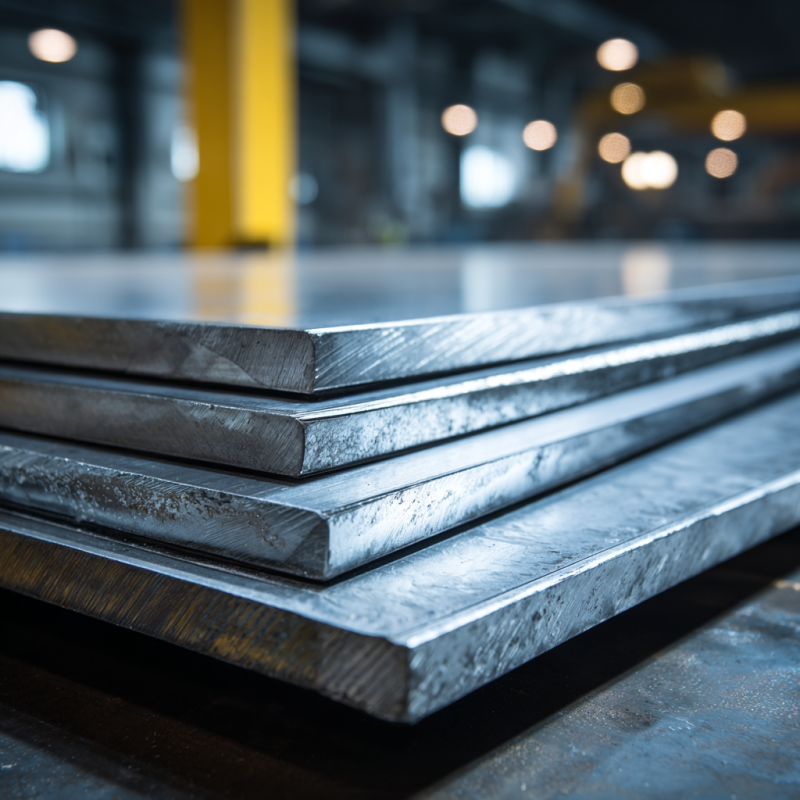
What Is Aluminum Sheet Metal Fabrication
Aluminum sheet metal fabrication transforms lightweight aluminum sheets into strong, corrosion-resistant components used in energy, agriculture, and industrial systems. Learn how it works and why it’s vital for modern fabrication.
Understanding What Is Aluminum Sheet Metal Fabrication
What is aluminum sheet metal fabrication? If you’ve ever noticed how lightweight frames on vehicles or sturdy housings on electronic devices manage to stay both strong and sleek, you’ve likely come across aluminum-based metal sheet fabrication. It’s one of those behind-the-scenes processes that quietly power so many aspects of our daily lives. Today, you’ll discover what this approach involves, why it matters, and how it can transform critical projects in industries like energy and agriculture. By the end, you’ll have a clear sense of how you can leverage aluminum’s potential for your own initiatives.
Aluminum sheet metal fabrication fulfills a critical need for various applications that demand durability, corrosion resistance, and flexibility in design. Understanding what is aluminum sheet metal fabrication helps you see how it can reduce costs, speed up production, and ensure consistent quality. Let’s explore how it works step by step, then discuss some real-world perks and applications.
What is Aluminum Sheet Metal Fabrication
In simplest terms, aluminum sheet metal fabrication refers to the process of cutting, shaping, and forming aluminum sheets into finished products or components that fulfill specific functions. You start with flat aluminum sheets, then use various techniques, tools, and software modeling to form them into exactly the part or structure you need.
Because aluminum is lightweight yet strong, it’s ideal for many industries, from energy production to mineral extraction and chemical processing. It also dissipates heat well, has excellent corrosion resistance, and supports high-quality finishes. Whether you’re designing a small bracket or building a large enclosure, you’ll find aluminum to be a flexible option.
This process often goes hand in hand with metal sheet fabrication in general, sharing core methods but using aluminum as the primary material. If you’ve ever wondered how modular skids or commercial building components come to life, aluminum fabrication is frequently the behind-the-scenes hero.
Core Benefits of Aluminum
Aluminum, through the aluminum metal fabrication process, is versatile, strong, corrosion-resistant, lightweight, and shaped efficiently via aluminum metal fabrication process.
Here’s a quick breakdown of some popular benefits:
- Corrosion resistance: Ideal for outdoor or high-moisture environments.
- Ease of machining and forming: Allows for complex or customized designs.
- Lightweight nature: Great for portable equipment or transportation components.
- Excellent heat dissipation: Perfect for electronic housings.
Prefabrication also reduces on-site labor. By handling most cutting and welding in a controlled facility, you can ship assembly-ready pieces to the final location. Learn more about prefabrication benefits.
Common Fabrication Steps
Fabrication, including custom sheet metal fabrication, is all about turning raw materials into something truly useful. Depending on what final shape you need, you might follow several steps:
- Cutting: Using laser cutters, water jets, or shears to slice sheets into workable dimensions.
- Bending: Forming pieces with machines like press brakes or rollers.
- Welding and Joining: Fusing sections, often with TIG welding for aluminum.
- Finishing: Removing burrs, smoothing edges, or adding protective coatings like anodizing or powder coating.
Software modeling plays a big part too. Advanced teams create 3D models and isometric drawings so they can map out every bend and weld in detail. By the time you’re done, the original flat aluminum sheet becomes a precise part that fits exactly where it’s needed. If you want more insight into the overall process, you might check out how does aluminum sheet metal fabrication work.
Leveraging Prefabrication
Prefabrication with industrial metal fabrication services lets you cut, bend, and weld offsite. Industrial metal fabrication services ensure perfect fit.
Teams such as Red River LLC believe that just about every project can benefit from some level of prefabrication. Here’s why:
- Lower costs: It’s cheaper to perform cutting and welding in a well-equipped shop than to bring specialized tools onsite.
- Fewer delays: Weather problems, missing equipment, or limited workspace can hinder progress onsite. Working offsite speeds things up.
- Better quality control: Everything from raw material traceability to final inspections can happen under a watchful eye in the facility.
- Reduced on-site exposure: With fewer hours needed on location, there’s less chance for accidents, and insurance costs may drop accordingly.
Aluminum sheet metal products are often arranged in modules or skids, reducing assembly time, especially in chemical, oil, or water treatment industries.
Real-world Applications
Because aluminum is easy to shape and lighter than steel, it works well for many projects. You’ll find it in:
- Energy production: From battery enclosures to renewable energy units.
- Agricultural equipment: Lightweight frames that can handle exposure to humidity and chemicals.
- Mineral and element extraction systems: Prefabricated modules that streamline on-site installation.
- Chemical processing: Corrosion-resistant housings for pumps, valves, or mixers.
For broader solutions involving multiple metals, you can look into custom sheet metal fabrication services. Sometimes you need aluminum for certain parts and stainless steel for others. The point is to pick the right material for each job, and aluminum definitely checks the box for many uses.
You’ll also see aluminum in modular skids, especially in chemical or power systems that need to be relocated from one site to another. Shipping is easier thanks to less weight, and setup is a breeze when the modules arrive fully assembled.
What Is Aluminum Sheet Metal Fabrication for Your Projects
When you ask, what is aluminum sheet metal fabrication, the answer lies in its adaptability and precision. It’s the process of turning aluminum sheets into essential parts and structures for industries across the USA.
By choosing prefabrication, you streamline project logistics, reduce costs, and ensure consistent quality. Modern software and fabrication techniques continue to evolve, making aluminum an even more efficient solution for today’s industrial demands.
Partner with Red River LLC for Expert Fabrication Services
Looking for reliable aluminum sheet metal fabrication in the USA? Red River LLC delivers precision-engineered solutions built on efficiency, safety, and quality. Whether you need modular skids, prefabricated structures, or custom enclosures, our team ensures every component exceeds expectations.
Contact Red River LLC today to discuss your next project and experience how expert aluminum fabrication can power your success. Learn more about our capabilities and solutions for industrial needs.
Frequently Asked Questions
1. How does aluminum sheet metal fabrication work?
The process involves selecting the appropriate aluminum sheet thickness, then using techniques like cutting, bending, stamping, welding, and finishing to shape it. Prefabrication in controlled environments can improve efficiency, quality, and safety while reducing onsite labor.
2. Why use aluminum sheet metal fabrication?
Aluminum is lightweight, strong, and corrosion-resistant, making it ideal for durable, long-lasting components. Fabrication allows precise shaping, consistent quality, and efficient production for industries like automotive, marine, energy, and construction.
3. Do I need special welding techniques for aluminum?
You do. Aluminum typically calls for TIG welding or a specialized MIG process, since it absorbs heat more quickly than steel and can distort if not handled properly.
4. Can I use aluminum in high-temperature environments?
Aluminum performs well in moderately high-temperature conditions, but you should confirm exact temperature thresholds with your fabricator. In extreme environments, you might need alloys designed for heat resistance.
5. How fast can a prefabricated aluminum project be completed?
It depends on the scope, but prefabrication dramatically cuts back installation time. By handling the bulk of the work in a shop, you reduce on-site tasks and potential delays.
6. Is aluminum sheet metal fabrication suitable for decorative projects?
Absolutely. Aluminum’s smooth surface, combined with the option for anodizing or powder coating, makes it great for decorative items like signage or architectural accents.
7. Does prefabrication affect design flexibility?
Not at all. Prefabrication can actually improve design flexibility because you can finalize your project specs in a controlled environment. Detailed drawings and 3D models guide the process, so you get exactly what you envisioned.
8. Where can I apply aluminum skids or modules?
You’ll find them in water treatment centers, industrial plants, or agricultural sites that require easy relocation and minimal on-site work. They often include built-in piping, control panels, and support structures.
Key Takeaways
- Aluminum is lightweight, corrosion-resistant, and easy to shape or weld.
- Prefabrication reduces on-site labor hours, streamlines production, and cuts costs.
- You can find aluminum skid packages in energy, agriculture, chemical, and more.
- Partnering with a skilled fabrication service ensures better quality control and traceability.
- Working from precise shop drawings and 3D models reduces errors and speeds up completion.
Related Blog Post
Pressure Vessel Design & Engineering: Concept to Launch
What is Pressure Vessel Design and Engineering: Code-Ready Guide
What are the Key Factors in Pressure Vessel Engineering
How Do You Design a Pressure Vessel: A Step-By-Step Guide
What is Pressure Vessel Fabrication and Manufacturing
About Author