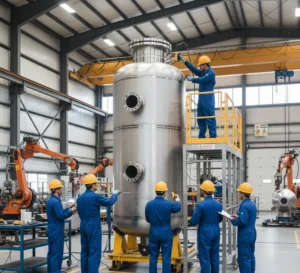
Pressure vessel safety involves the design, operation, and maintenance protocols that prevent failures in high-pressure equipment. By adhering to global standards like ASME BPVC and implementing regular inspections, training, and safety devices, organizations can significantly reduce risk and protect both people and assets.
What Is Pressure Vessel Safety and Why It’s Critical
Pressure vessel safety is not just a compliance checkbox; it’s a mission-critical priority for any facility operating under pressure. The risks of ignoring or mishandling pressure vessels are severe: catastrophic failure, life-threatening incidents, and costly downtime. Implementing a robust pressure vessel safety program is essential to protect both human life and industrial assets.
Pressure vessels are engineered containers that hold gases or liquids at pressures significantly different from ambient conditions. They’re vital across sectors like oil and gas, power generation, and chemical manufacturing. But without strict adherence to pressure vessel safety standards, these powerful systems become dangerous liabilities.
This guide breaks down the key components of pressure vessel safety from manufacturing controls and operator training to digital monitoring and international standards to help you identify weaknesses and strengthen your pressure safety protocols.
Effective Pressure Vessel Safety Measures
Pressure Vessel Safety in Manufacturing
The foundation of pressure vessel safety starts at the manufacturing level. Poor fabrication or substandard materials can cause catastrophic failure under pressure. Every vessel must be built with certified materials, using welding techniques and inspection standards that comply with ASME BPVC and other global codes.
Strict quality control during production isn’t optional; it’s the frontline defense in ensuring long-term operational safety.
Training for Pressure Vessel Safety Compliance
No safety system is complete without fully trained personnel. Operators, inspectors, and maintenance teams must understand how to handle, monitor, and troubleshoot pressure vessels. Effective training reduces human error, which is one of the most common causes of vessel incidents.
Training must include operational safety protocols, emergency shutdown procedures, and familiarity with monitoring systems and pressure indicators. Comprehensive education is the backbone of pressure vessel safety.
Operational Pressure Vessel Safety Practices
Daily operations must include rigorous monitoring of vessel conditions, with protocols in place to keep pressure, temperature, and chemical interactions within safe ranges. Fail-safes, alarms, and automation systems should be implemented to respond instantly to dangerous deviations.
Real-world safety is enforced through strong operations.
Pressure Vessel Safety Through Audits and Inspections
Inspections are the legal and practical pillars of pressure vessel safety. Routine visual checks, non-destructive testing (NDT), and pressure assessments must be scheduled and documented. Ignoring inspections invites failure.
Key inspections include ultrasonic and radiographic testing, hydrostatic pressure testing, and material thickness verification. Every audit is a chance to catch a minor flaw before it becomes a disaster.
Pressure Relief Devices
Overpressure is the number one killer of pressure vessels. Relief valves, rupture discs, and leak-before-burst designs are mandatory components for serious pressure vessel safety compliance. These devices must be regularly maintained and tested to perform on demand.
If your pressure relief systems fail, so does your safety program.
What Are Pressure Vessels?
Pressure vessels are industrial containers designed to hold gases or liquids at high pressure. Common types include storage tanks, heat exchangers, boilers, and process vessels. Due to their volatile environments, pressure vessels are governed by strict safety standards.
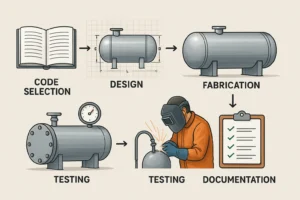
Robust pressure vessel safety protocols must be built into every stage of their lifecycle – from design and fabrication to daily use.
Pressure Vessel Safety Standards
Organizations like ASME, NBBI, CSA B51, and EN 13445 define and enforce the global standards that dictate the design, inspection, and operation of pressure vessels. These standards aren’t just guidelines – they’re enforceable laws in many jurisdictions.
- Division I : Covers the design and construction of general pressure vessels. It’s the industry baseline.
- Division II: Applies to vessels requiring higher safety margins or operating under severe service conditions.
- Division III: Targets high-pressure environments such as cryogenics or nuclear applications.
Adherence to these codes is non-negotiable for credible pressure vessel safety.
Types of Pressure Vessels
Storage vessels store compressed gases or liquids. Heat exchangers transfer heat between fluids under pressure. Boilers generate steam from water using high pressure. Process vessels handle reactions, separations, and filtration.
Each category presents unique pressure vessel safety risks and must be treated accordingly.
Geometries and Their Impact on Safety
Spherical vessels distribute stress evenly, ideal for very high-pressure applications. Cylindrical vessels are easier to manufacture but require reinforcements.
Understanding vessel geometry helps you plan effective safety strategies.
Material Selection for Pressure Vessel Safety
Choosing the wrong material can lead to stress fractures, corrosion, or outright failure. Materials like carbon steel, stainless steel, nickel alloys, and titanium are chosen based on pressure ratings, contents, and external conditions.
No two applications are the same. Material selection is a core pressure vessel safety decision.
Digital Solutions Enhance Pressure Vessel Safety
Modern systems use sensors and software to track real-time data on pressure, temperature, and vessel integrity. These tools allow predictive maintenance, remote alerts, and continuous safety monitoring.
Digital integration turns static vessels into smart, self-reporting assets that reduce risk.
Building a Culture of Pressure Vessel Safety
Pressure vessel safety isn’t a one-time task, it’s a continuous commitment. As industries evolve, the demands on pressurized systems become more complex, making ongoing safety vigilance essential. By investing in quality design, rigorous inspections, advanced monitoring, and employee training, organizations can prevent failures before they happen.
At Red River, we’re not just delivering products, we’re building partnerships rooted in trust, reliability, and a shared dedication to operational excellence. Join us in making safety the standard, not the exception.
The Red River Commitment to Pressure Vessel Safety
At Red River, we don’t just build pressure vessels; we engineer peace of mind. Every vessel is designed, fabricated, and inspected to meet or exceed the highest safety standards. Our team brings decades of experience to ensure your systems are compliant, reliable, and future-ready. Reach out to us and have a free quote.
Frequently Asked Questions
1. What is pressure vessel safety?
A safety framework of design standards, inspections, and operational controls that prevent failure in high-pressure systems.
2. Which safety standards apply to pressure vessels?
ASME BPVC, EN 13445, CSA B51, and NBIC are the leading international codes.
3. How often should vessels be inspected?
According to jurisdictional code, vessel type, and operational stress, but at ma inimum annually.
4. What causes pressure vessel failures?
Overpressure, poor fabrication, human error, material fatigue, and skipped inspections.
5. How do I improve pressure vessel safety?
Implement routine audits, enforce training, install certified relief devices, and upgrade to digital monitoring.
Key Takeaways
- Pressure vessel safety is mission-critical – not optional.
- Proper design, training, inspections, and monitoring protect lives and reduce liability.
- Every aspect of your pressure vessel operation must reflect a safety-first approach.
- Regular maintenance, rigorous inspections, and the use of advanced materials are essential to prolonging the lifespan of pressure vessels and preventing failures.
Related Blog Post
Pressure Vessel Design & Engineering: Concept to Launch
What is Pressure Vessel Design and Engineering: Code-Ready Guide
What are the Key Factors in Pressure Vessel Engineering
How Do You Design a Pressure Vessel: A Step-By-Step Guide