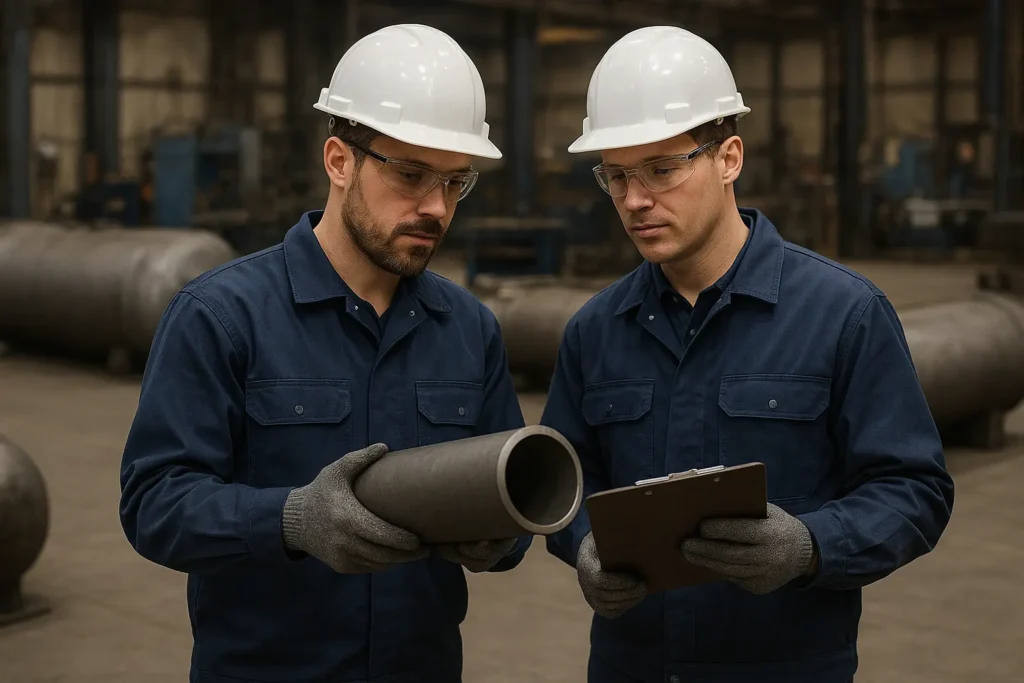
Understanding what materials are used in pressure vessel manufacturing is essential for ensuring durability, safety, and performance under extreme conditions. Each material from carbon steel to titanium alloys serves a specific purpose in meeting engineering and industry standards. RedRiver LLC highlights how proper material selection shapes the quality and reliability of every pressure vessel.
Exploring What Materials Are Used in Pressure Vessel Manufacturing
What materials are used in pressure vessel manufacturing is one of the most important questions in industrial engineering. Pressure vessels are critical equipment used to store and process gases or liquids at high pressures, and their material composition determines their performance and longevity.
Choosing the right material is not just a design choice; it’s a matter of safety and efficiency. Each vessel must handle internal stresses, chemical exposure, and environmental conditions without deforming or corroding. This is why pressure vessel fabrication and manufacturing requires expert knowledge of metallurgy, thermodynamics, and safety standards.
RedRiver LLC excels in selecting and working with the ideal materials to meet the demands of diverse industrial applications, ensuring reliability and compliance in every project. Learn more about our capabilities and solutions.
The Role of Material Selection in Pressure Vessel Fabrication and Manufacturing
To understand what materials are used in pressure vessel manufacturing, it helps to look at how materials influence every phase of fabrication. The properties of chosen metals determine a vessel’s strength, temperature tolerance, corrosion resistance, and weldability.
Material selection during pressure vessel manufacturing includes evaluating:
- Operating pressure and temperature: Materials must remain stable under internal and external pressure changes (pressure vessel thresholds).
- Chemical compatibility: Certain chemicals require non-reactive or corrosion-resistant alloys (chemical-resistant vessels).
- Structural integrity: The vessel must endure mechanical stress and fatigue without cracking or warping (stress analysis in vessels).
- Ease of fabrication: Metals should suit forming, welding, and heat treatment (welding techniques)..
At RedRiver LLC, engineers follow strict industry standards like the ASME Boiler and Pressure Vessel Code (BPVC) to ensure that every component performs safely and efficiently.
Primary Materials Used in Pressure Vessel Manufacturing
Pressure vessel material selection is a critical step in ensuring safety, longevity, and efficiency. When evaluating what materials are used in pressure vessel manufacturing, engineers typically consider strength, resistance, and performance.
Pressure vessel material selection guides the choice of metals for fabrication. Below are some of the most common materials used in modern vessel design:
Carbon Steel
Carbon steel remains one of the most widely used materials in pressure vessel fabrication and manufacturing. It offers:
- High tensile strength and ductility
- Excellent performance under moderate temperatures
- Cost-effective production and easy weldability
It’s ideal for industrial applications without aggressive corrosion or extreme temperatures (choosing the best steel).
Stainless Steel
Stainless steel pressure vessels are widely used because stainless steel is favored for its corrosion resistance, particularly in industries such as food processing, pharmaceuticals, and chemical manufacturing. Stainless steel pressure vessels withstand oxidizing agents and ensure hygienic operations. Stainless steel also offers:
- Long service life in humid or chemical environments
- Smooth surface finish for easy cleaning
- Compatibility with high-temperature processes
Alloy Steels
Alloy steels are customized blends of metals like chromium, molybdenum, and nickel. They are designed for high-temperature and high-pressure applications. Their benefits include:
- Enhanced hardness and strength
- Better resistance to fatigue and wear
- Superior stability under thermal cycling
Nickel Alloys
Nickel-based alloys are used where extreme corrosion and temperature resistance are required. They perform exceptionally well in chemical and petrochemical operations. Key advantages are:
- Stability in high-heat and acidic environments
- Excellent weldability and toughness
- Longevity under fluctuating thermal conditions (custom alloy solutions)
Duplex and Super Duplex Stainless Steels
Hybrid steels combining ferritic and austenitic properties, offering exceptional strength and corrosion resistance, suitable for chlorides and acids (advanced stainless steel).
Titanium
Lightweight, strong, and highly corrosion-resistant even against seawater. Used in specialized vessels where weight reduction and performance are critical (titanium pressure vessels).
How Material Choice Affects Fabrication
Understanding how is pressure vessel fabrication done helps highlight why material choice is so important. Each metal behaves differently during cutting, forming, and welding.
During pressure vessel fabrication and manufacturing, the chosen material must:
- Withstand forming and bending without cracking
- Maintain integrity during welding and heat treatment (5G welding guide)
- Respond predictably to non-destructive testing (NDT)
- Support coatings or linings for additional protection
Materials like stainless steel and titanium require precise temperature control during welding to prevent deformation or contamination. Meanwhile, carbon steel offers greater flexibility and ease of handling during production.
At RedRiver LLC, engineers and certified welders work closely to ensure that each material is treated according to its mechanical properties and design specifications.
Modern Advances in Material Engineering
The field of pressure vessel fabrication and manufacturing continues to evolve with material science advancements. Corrosion resistance in fabrication is increasingly critical as new alloys and composite materials now provide enhanced performance, reduced weight, and improved sustainability. Engineers also prioritize corrosion resistance in fabrication to ensure long-term reliability and safety.
Emerging innovations include:
- High-Performance Alloys: Resist extreme chemical corrosion and temperature fluctuations (advanced alloys)
- Clad Materials: Combine metals like stainless steel with carbon steel for cost efficiency (clad vessel fabrication)
- Non-Metallic Composites: Used in specific applications for weight reduction and insulation.
- Eco-Friendly Coatings: Reduce emissions and environmental impact during manufacturing.
These developments are shaping the future of what is pressure vessel fabrication and manufacturing, ensuring that modern equipment meets higher safety and environmental standards.
Testing and Quality Control of Materials
After selection, materials undergo rigorous quality checks, including tensile strength, impact resistance, and chemical composition testing (quality assurance). Inspections include:
- Non-destructive testing (ultrasonic and radiographic) (NDT overview)
- Surface and corrosion resistance analysis
- Heat treatment verification (post-weld heat treatment)
RedRiver LLC ensures that every material meets strict certification requirements, guaranteeing structural reliability throughout the vessel’s life cycle.
What Materials Are Used in Pressure Vessel Manufacturing: Conclusion
In conclusion, understanding what materials are used in pressure vessel manufacturing provides valuable insight into the heart of industrial engineering. From carbon steel to advanced alloys, the choice of material influences not only performance but also safety, cost, and longevity.
RedRiver LLC applies extensive expertise in selecting, testing, and fabricating pressure vessels using top-quality materials. Their commitment to precision, innovation, and compliance ensures every vessel is designed to withstand the most demanding conditions.
Work with RedRiver LLC
When expert guidance is needed on material selection and fabrication, trust RedRiver LLC. Experienced engineers and fabricators bring together advanced technology and industry knowledge to produce safe, efficient, and custom-engineered pressure vessels tailored to your needs.
Request a quote today and explore how RedRiver’s material expertise powers excellence in pressure vessel manufacturing.
Frequently Asked Questions
1. What materials are used in pressure vessel manufacturing?
Materials such as carbon steel, stainless steel, nickel alloys, duplex steels, and titanium are commonly used based on pressure, temperature, and environmental needs.
2. How is pressure vessel fabrication done?
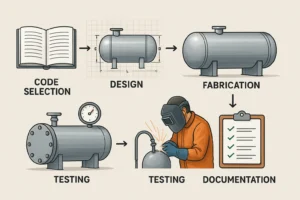
The process includes design, cutting, forming, welding, and testing all guided by strict safety standards to ensure structural integrity.
3. What is pressure vessel fabrication and manufacturing?
It is the engineering process of building vessels that safely hold gases or liquids under high pressure while meeting international safety codes.
4. Why is material selection important in vessel fabrication?
The right material ensures durability, prevents corrosion, and maintains performance under extreme conditions.
5. Can pressure vessel materials be customized?
Yes. Manufacturers like RedRiver LLC customize material types and thicknesses according to the project’s requirements.
6. How are materials tested for quality?
Through non-destructive testing, chemical analysis, and heat treatment verification before and after fabrication.
7. What industries rely on pressure vessel manufacturing?
Industries such as energy, chemical, food, and pharmaceuticals depend on pressure vessels for storage and process control.
Key Takeaways
- What materials are used in pressure vessel manufacturing directly affects safety, performance, and durability.
- Common materials include carbon steel, stainless steel, nickel alloys, and titanium.
- Proper material selection ensures resistance to pressure, heat, and corrosion.
- Advances in alloy technology improve efficiency and sustainability in manufacturing.
- RedRiver LLC delivers custom-built, compliant, and high-performance pressure vessels using the best materials available.
Related Blog Post
Pressure Vessel Design & Engineering: Concept to Launch
What is Pressure Vessel Design and Engineering: Code-Ready Guide
What are the Key Factors in Pressure Vessel Engineering
How Do You Design a Pressure Vessel: A Step-By-Step Guide
What is Pressure Vessel Fabrication and Manufacturing
About Author