Disadvantages of Scrubbers in Industrial Air Pollution Control

The Disadvantages of Scrubbers
Scrubbers are vital tools in reducing industrial emissions, but they are not without challenges. Understanding these limitations is essential for industries considering scrubber technology. This article outlines the key disadvantages of scrubbers and offers strategies to manage these issues effectively.
Initial Cost and Installation Complexity
One significant drawback of scrubbers is their high upfront cost. Setting up a scrubber involves substantial capital investment, which can deter smaller businesses or those operating on tight budgets. Furthermore, installation often requires infrastructure modifications, additional space, and specialized expertise, all of which increase complexity and expenses.
Operating and Maintenance Expenses: Disadvantages of Scrubbers
In addition to installation, scrubbers require ongoing costs for operation and maintenance. For instance, replenishing chemical or water-based scrubbing media demands regular monitoring and restocking. Routine maintenance, including inspections, cleaning, and component replacements, is necessary to ensure optimal performance. These efforts contribute to long-term operational expenses, which can be a financial burden for some industries.
Energy Consumption: Disadvantages of Scrubbers
Scrubbers consume considerable energy to function effectively. This is largely due to the fans or blowers that facilitate airflow through the system and create sufficient pressure for pollutant removal. Consequently, industries must carefully assess these energy demands alongside the environmental and financial implications of scrubber usage.
Disposal of Captured Pollutants: Disadvantages of Scrubbers
While scrubbers efficiently capture harmful pollutants, managing these captured materials presents additional challenges. Depending on the type of pollutant and scrubbing medium, proper disposal may require specialized handling to prevent environmental harm or regulatory violations. Adhering to strict disposal guidelines can increase both costs and operational complexity.
Potential for By-Product Formation
In some cases, chemical reactions between pollutants and scrubbing agents lead to the formation of by-products or secondary pollutants. Addressing these by-products often involves additional treatment, which can incur extra costs and regulatory requirements. This adds another layer of complexity for industries relying on scrubbers.
Adaptability to Variable Emission Levels
Engineers typically design scrubbers for specific pollutant concentrations and emission profiles. However, variations in production processes or operational conditions can affect their efficiency. To address these challenges, industries may need to invest in adaptive systems that can handle fluctuating emission levels, further increasing costs.
Need a reliable partner?
Frequently Asked Questions About the Disadvantages of Scrubbers
What are scrubbers and why are they used?
Scrubbers are devices designed to remove pollutants from industrial exhaust gases. They help industries meet environmental regulations and improve air quality by capturing harmful emissions.
What are the number one negative aspects of scrubbers?
Key disadvantages include high initial costs, ongoing operational expenses, significant energy consumption, challenges in pollutant disposal, potential by-product formation, and limited adaptability to changing emission levels.
Why are scrubbers first of all high priced to install?
The high installation cost is due to the need for specialized systems, infrastructure changes, and professional expertise. These requirements ensure proper integration into existing industrial processes.
What ongoing fees are associated with scrubbers?
Operating costs include regular replenishment of scrubbing media, routine maintenance, and occasional upgrades. These expenses contribute significantly to the overall cost of using scrubbers.
How do scrubbers affect electricity intake?
Scrubbers require substantial energy to operate, as they rely on fans or blowers to maintain airflow and remove pollutants. Industries must evaluate these energy demands when assessing scrubber technology.
Related Blog Post
- Do coal scrubbers work?
- How long do scrubbers last?
- Do scrubbers reduce CO2?
- What do scrubbers get rid of?
- Which scrubber is most effective?
- What are the three types of scrubbers?
- What chemicals are used in scrubbers?
- What are the advantages or a scrubbers?
- What is the biggest problem with wet scrubbers?
Solutions
In the realm of industrial solutions, Red River emerges as a pioneer, offering a diverse range of custom-engineered products and facilities. Among our specialties is the design and production of Custom/OEM Pressure Vessels, meticulously crafted to meet individual client requirements, ensuring performance under various pressure conditions. Our expertise extends to the domain of prefabrication, where Red River leads with distinction.
The company excels in creating prefabricated facilities, modules, and packages, reinforcing its stance as a forerunner in innovation and quality. This proficiency is further mirrored in their Modular Skids offering, where they provide an array of Modular Fabricated Skid Packages and Packaged equipment. Each piece is tailored to client specifications, underlining their commitment to delivering precision and excellence in every project they undertake.


Related Blog Post
Can Condensate Storage Improve Reliability?
Where Do Condensate Tanks Fit in a Steam System?
Which Nozzles Simplify Maintenance on Pressure Vessels?
How to Vent Condensate Tanks in Steam Systems
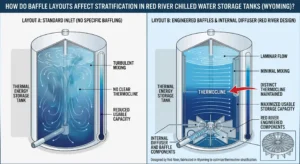
How Do Baffle Layouts Affect Stratification in TES Tanks?
No subpillar set for this blog post.
About Author