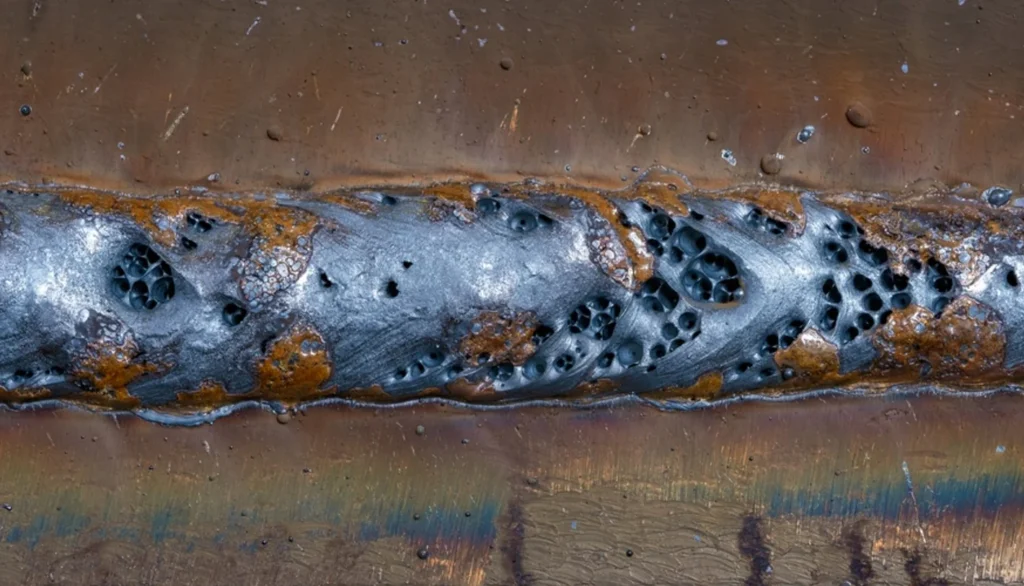
Poor welding in pressure vessels leads to catastrophic failures that can cost lives, damage property, and harm your reputation. This guide outlines the causes, real-world examples, and how to prevent poor welding pressure vessel issues through qualified welders, strict procedures, and thorough testing.
Poor Welding Pressure Vessel Failures: Understanding the Integrity Risks That Lead to Disaster
Pressure vessels are essential in a wide range of industries, storing pressurized gases and liquids under extreme conditions. From compressed air systems to chemical processing, these components form the backbone of modern industrial operations. To understand what qualifies as a pressure vessel and why compliance matters, it’s worth reviewing pressure vessel definitions and thresholds and the most common pressure vessel types used in industry.
When a poor welding pressure vessel enters service, the risk of catastrophic failure multiplies. Welds are the critical connective tissue that ensures structural integrity. Any flaw in weld quality, especially those arising from poor fabrication practices, can undermine the vessel’s ability to operate safely. Many of these failures align with documented types of failure in pressure vessels and known pressure vessel failure criteria.
Manufacturers have a responsibility to ensure their welding processes meet stringent code requirements. A poor welding pressure vessel not only compromises equipment lifespan but also endangers personnel, disrupts operations, and invites environmental disasters. This is why ASME-certified pressure vessels and strict safety and compliance standards are non-negotiable.
Common Poor Welding Pressure Vessel Defects That Lead to Failure
A poor welding pressure vessel typically exhibits one or more of the following high-risk defects, many of which originate during the pressure vessel manufacturing process.
Incomplete Fusion and Lack of Penetration
When weld metal fails to fully bond with the base material, structural weak points form. These defects often stem from incorrect parameters outlined in the welding procedure specification (WPS) and frequently result in premature failure under cyclic or peak pressure loads.
Porosity and Inclusion Defects
Voids, slag inclusions, or trapped contaminants reduce effective weld strength and act as crack initiation sites. These flaws are commonly discovered during pressure vessel inspection processes or, worse, after a failure event.
Misalignment and Dimensional Flaws
Even a sound weld can fail if vessel components are misaligned. Improper fit-up introduces secondary stresses that violate accepted pressure vessel design principles and accelerate fatigue cracking.
Cracking (Hot, Cold, and Stress-Induced)
A poor welding pressure vessel may develop hot cracks during solidification or hydrogen-induced cold cracks after cooling. These defects often relate to improper material selection, reinforcing the importance of choosing the right material for pressure vessel fabrication.
Heat-Affected Zone (HAZ) Weaknesses
Improper thermal control during welding can cause embrittlement in the heat-affected zone. HAZ failures are especially dangerous because they may pass initial inspections yet violate pressure vessel stress limitations during operation.
Real-World Examples of Poor Welding Pressure Vessel Disasters
In 2017, a pharmaceutical plant experienced a high-pressure steam release from a poorly welded vessel, injuring several workers. Investigators traced the incident to incomplete fusion at a longitudinal seam weld, a scenario frequently cited in pressure vessel hazard analyses.
In another 2019 case, a chemical processing facility suffered a rupture along a circumferential weld seam. Slag inclusions and porosity missed during inspection triggered a hazardous chemical release and a three-month shutdown. These failures echo lessons outlined in quality assurance practices for pressure vessels.
These incidents demonstrate how a poorly welded pressure vessel can escalate from a hidden defect to a full-scale disaster in seconds.
Prevention Strategies: Eliminating Poor Welding Pressure Vessel Risks
Preventing a poor welding pressure vessel starts with disciplined processes and accountability:
Certified Welders: Only professionals qualified under ASME Section IX requirements should perform pressure boundary welds.
Validated Welding Procedures: Proper WPS development and testing are critical, especially for complex applications like custom pressure vessels.
Non-Destructive Testing (NDT): Techniques such as RT, UT, MT, and PT are essential to identify internal flaws before commissioning, as outlined in pressure container inspection best practices.
Documentation and QC Systems: Traceability of welder qualifications, inspections, and heat treatments supports compliance with pressure vessel certification requirements.
Preventing the Next Failure
In the pressure vessel industry, there’s no room for error. A single poor welding pressure vessel can jeopardize years of planning, millions in assets, and most critically, human lives. By holding welders, inspectors, and manufacturers accountable to the highest standards, we eliminate the guesswork and elevate safety. Every weld is a decision. Make yours count.
Need a Reliable Partner?
Don’t risk a poor welding pressure vessel taking down your operation. At Red River, we specialize in American-made, code-compliant pressure vessels with zero compromises.
Contact us today and experience the Red River difference, where values and quality come together.
Frequently Asked Questions
1. How can you identify a poor welding pressure vessel before it fails?
Visual indicators include irregular weld beads, surface cracks, undercutting, and discoloration from overheating are the signs.
2. What testing is used for poor welding pressure vessel detection?
NDT methods like RT and UT are commonly used to inspect weld integrity in pressure boundaries. These can expose flaws in a poorly-welded pressure vessel.
3. How long will a poorly welded pressure vessel last in service?
Defects may cause immediate failure or last for weeks. It depends on severity, location, and operating pressure. Many poor welding pressure vessels fail within months.
4. Can a poor welding pressure vessel be repaired?
Yes, if detected early. Repairs must follow ASME protocols. Multiple repairs to the same spot in a poorly-welded pressure vessel may require engineering sign-off.
5. What qualifications are needed to prevent poor welding pressure vessel issues?
Welders should be certified for the exact materials and positions they’ll use. Proper qualifications reduce the chances of creating a poor welding pressure vessel.
6. Do environmental factors make poor welding pressure vessels worse?
Absolutely. Corrosive service or thermal cycling increases stress at weld flaws, accelerating poor welding pressure vessel failure.
7. What documents are required for pressure vessel welding?
WQRs, WPS, PQRs, MTRs, and NDT reports are all vital to ensuring a vessel.
Key Takeaways
- A poorly welded pressure vessel poses severe risks to safety, reliability, and operations.
- Common welding defects, if not caught turn pressure vessels into liabilities.
- Prevention starts with proper training, documented procedures, and effective testing.
- Every failure could have been prevented with the right controls in place.
Related Blog Post
Can Condensate Storage Improve Reliability?
Where Do Condensate Tanks Fit in a Steam System?
Which Nozzles Simplify Maintenance on Pressure Vessels?
How to Vent Condensate Tanks in Steam Systems