

OSHA pressure vessel regulations enforce workplace safety by requiring proper installation, regular inspections, maintenance, and employee training. Compliance reduces hazards, prevents violations, and ensures safe operation of pressurized equipment.
OSHA Pressure Vessel Inspection and Testing Frequencies
Pressure vessels are a cornerstone of industrial safety, used in industries ranging from petrochemical processing to food production and pharmaceuticals. These specialized containers, designed to hold liquids or gases at pressures significantly above or below ambient levels, present unique hazards that OSHA regulations aim to mitigate. Understanding the inspection and testing frequencies mandated by OSHA is essential for compliance and workplace safety.
OSHA’s Role in Pressure Vessel Safety Regulation
The Occupational Safety and Health Administration (OSHA) is the primary federal agency overseeing workplace safety in the U.S., including pressure vessel operations. OSHA often references established industry standards such as the ASME Boiler and Pressure Vessel Code and the National Board Inspection Code (NBIC) rather than developing entirely new regulations.
Key OSHA regulations applicable to pressure vessels include:
- 29 CFR 1910.106 – Flammable liquids
- 29 CFR 1910.169 – Air receivers
- 29 CFR 1910.217 – Mechanical power presses
Compliance with these regulations ensures safe installation, operation, and maintenance of pressure vessels. OSHA enforces these rules through routine inspections, complaint-driven investigations, or incident-triggered evaluations. Non-compliance can result in citations, fines, corrective actions, or criminal charges in cases of willful violations.
Essential Safety Requirements for Pressure Vessel Compliance
Effective OSHA compliance requires attention to multiple critical areas:
1. Proper Installation and Mounting
Pressure vessels must be securely mounted per manufacturer specifications, ensuring adequate clearance for inspection and maintenance. Support structures must accommodate the vessel’s weight, including when filled and account for vibration or thermal expansion.
2. Mandatory Safety Devices
Vessels must include appropriate safety equipment:
- Pressure relief valves sized for the vessel’s maximum allowable working pressure (MAWP)
- Pressure gauges are visible to operators
- Emergency shutdown mechanisms
- Proper isolation valves
3. Pressure Relief Mechanisms
OSHA mandates that relief devices prevent over-pressurization. They must be installed directly on the vessel without intervening valves and discharge safely to protect personnel.
4. Inspection and Certification
Qualified personnel must conduct inspections and testing regularly. Typical requirements include:
- Pre-operational inspections for new or relocated vessels
- Routine external inspections while in service
- Periodic internal inspections
- Testing of safety devices and controls
5. Hazard Communication
Vessels containing hazardous materials must follow OSHA’s Hazard Communication Standard, labeling contents, hazards, and precautionary measures.
Implementing an Effective Pressure Vessel Safety Program
Beyond meeting specific technical requirements, OSHA pressure vessel expects employers to implement comprehensive safety programs for pressure vessel operations. Effective programs typically include:
Risk Assessment: Systematic evaluation of potential pressure vessel hazards specific to the facility, considering factors like vessel contents, operating conditions, location relative to personnel, and potential failure consequences.
Employee Training: Workers involved with pressure vessel operations must receive proper training on:
- Hazard recognition and safe operating procedures
- Emergency response protocols
- Monitoring requirements
- Warning signs of potential problems
- Proper startup and shutdown procedures
Documentation: Maintaining thorough records is essential for both compliance and safety management. Critical documentation includes:
- Manufacturer specifications and manuals (Red River Capabilities PDF)
- Installation certifications
- Inspection and testing records
- Maintenance logs
- Employee training records
- Written standard operating procedures
Emergency Response Planning: Facilities must develop and practice emergency procedures for potential pressure vessel failures, including evacuation routes, emergency shutdown protocols, and first-aid procedures.
Maintenance Schedules: Establishing regular maintenance protocols helps prevent catastrophic failures. These should address lubrication, component replacement, corrosion monitoring, and instrumentation calibration.
Common OSHA Pressure Vessel Citations and How to Avoid Them
Understanding frequent pressure vessel violations can help facilities strengthen their compliance efforts. Common citations include:
- Inadequate Relief Protection: Undersized, improperly installed, or bypassed relief devices represent significant safety hazards and frequent citation targets.
- Deficient Inspection Programs: Failure to conduct and document required inspections regularly leads to citations, particularly when inspections are missed or performed by unqualified personnel.
- Poor Recordkeeping: Missing or incomplete documentation of inspections, tests, repairs, and modifications frequently results in citations during OSHA pressure vessel inspections.
- Improper Repairs or Modifications: Alterations to pressure vessels must follow appropriate standards and be properly documented; unauthorized modifications represent serious violations.
Avoiding these citations requires proactive compliance strategies, including:
- Implementing comprehensive preventive maintenance programs
- Ensuring all personnel understand their safety responsibilities
- Establishing robust documentation systems
- Conducting regular compliance self-audits
- Consulting with certified pressure vessel professionals when questions arise
OSHA Pressure Vessel Safety and Compliance
Ensuring OSHA pressure vessel compliance is essential for protecting workers, maintaining safe operations, and avoiding costly penalties. Adhering to OSHA regulations requires proper installation, regular inspection, functional safety devices, accurate recordkeeping, and comprehensive employee training. Facilities that implement proactive maintenance programs, conduct risk assessments, and follow established standards not only reduce the risk of accidents but also demonstrate a strong commitment to workplace safety. By prioritizing OSHA pressure vessel requirements, organizations can create a safer environment, prevent violations, and maintain operational integrity across all industries that utilize pressurized equipment.
Need a reliable partner?
Red River specializes in the design and manufacturing of pressure vessels. We also fabricate related items such as prefabricated spools and skid packages.
Reach out to us today and experience the Red River difference. Where American-made products and American Values come together, we care more.
Frequently Asked Questions
1. Which specific OSHA pressure vessel standards govern pressure vessel safety?
Pressure vessels fall under several OSHA standards, primarily 29 CFR 1910.106 (flammable liquids), 1910.169 (air receivers), and 1910.217 (mechanical power presses). These standards reference ASME codes that provide detailed construction and maintenance requirements.
2. How often does an OSHA pressure vessel require pressure vessel inspections?
OSHA pressure vessels require that they undergo regular inspections, with frequencies determined by the vessel type, operating conditions, and applicable industry standards. Generally, external inspections are required annually, with internal inspections every 3-5 years depending on the equipment.
3. What documentation must employers maintain for pressure vessels?
Employers must maintain manufacturer’s specifications, inspection records, testing certificates, maintenance logs, employee training records, and written operating procedures. These documents must be readily available during OSHA pressure vessel inspections.
4. Are there OSHA requirements for pressure vessel operators?
Yes, OSHA pressure vessel requires that operators be properly trained in safe operation, emergency procedures, and hazard recognition specific to the pressure vessels they operate. This training must be documented and refreshed periodically.
5. What are the most critical safety devices required on pressure vessels?
Essential safety devices include properly sized pressure relief valves, pressure gauges, automated shutdown systems, emergency venting mechanisms, and temperature controls. These must be regularly tested and maintained.
6. How do OSHA pressure vessel requirements differ from ASME code requirements?
OSHA regulations often incorporate ASME codes by reference. While ASME focuses on design, construction, and material standards, OSHA adds requirements related to workplace safety, employee training, hazard communication, and operating procedures.
7. What are the penalties for non-compliance with OSHA pressure vessel requirements?
OSHA pressure vessel violations related to pressure vessels can result in citations with penalties ranging from approximately $15,000 for serious violations to over $145,000 for willful or repeated violations. Incidents resulting in injuries can lead to higher penalties and potential criminal liability.
Key Takeaways
- OSHA pressure vessel compliance for pressure vessels is both a legal requirement and critical safety measure
- Regular inspection and maintenance are fundamental to safe pressure vessel operation
- Proper documentation and employee training significantly reduce compliance risks
- Relief devices and safety controls must never be bypassed or modified
- Working with certified manufacturers helps ensure compliant equipment from installation
Related Blog Post
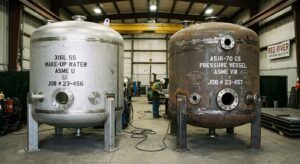
Which Materials Suit Make-Up Water Service?
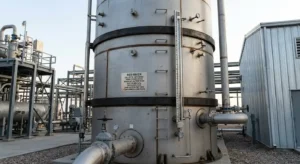
How Big Should Make-Up Water Tanks Be?
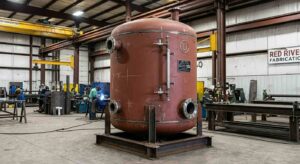
Make-Up Water Tanks: Design, Sizing, and Fabrication
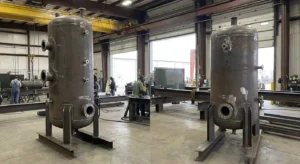
When to Spec Equalization Tanks for Industrial Systems
How Do Equalization Tanks Balance Flow?
- How to Conduct a Pressure Vessel Inspection in Water Treatment Facilities
- Safety Guidelines for Operating Water Pressure Vessels
- Standard Pressure Vessel Inspection Procedures in U.S. Plants
- Non-Destructive Testing (NDT) Methods for Pressure Vessel Safety
- Comprehensive Guide to Controlling Pressure Hazards
- Understanding Pressure Vessel Inspection Requirements



