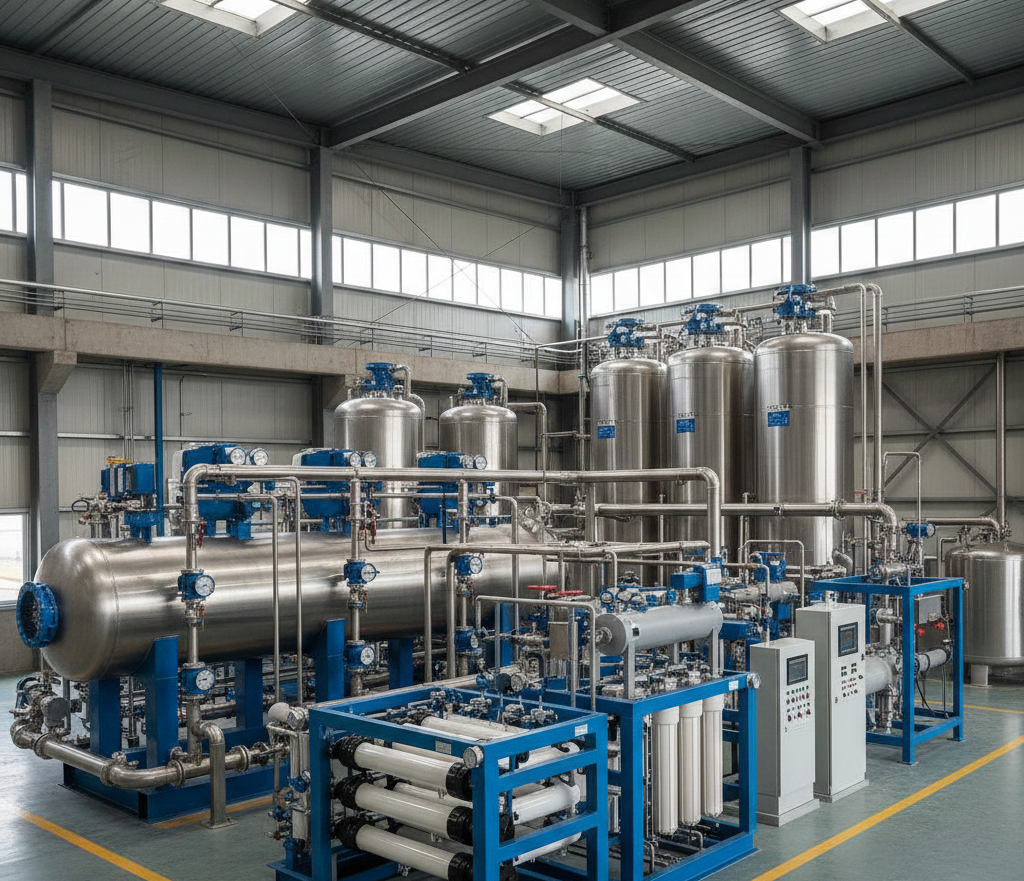
Navigating U.S. water quality laws can be complex, especially with differing federal and state regulations. Understanding water regs is critical for staying compliant across jurisdictions. This guide breaks down key legislation like the Clean Water Act (CWA) and Safe Drinking Water Act (SDWA), explains the role of agencies like the EPA, and outlines the consequences of non-compliance. Red River ensures your pressure vessels meet or exceed all legal standards, offering custom engineered solutions and staying ahead of evolving water regs, including future challenges like PFAS contamination. Stay compliant, protect your operations, and build trust with proven manufacturing expertise.
Overview of Water Regs and Water Regulations in the U.S.
At Red River, we know that understanding water quality legislation and water regs is no small task. Whether you’re in the oil and gas industry or public works, meeting these regulations is essential. These laws ensure public health and environmental protection. Compliance isn’t just a box to tick, it’s a core value in every pressure vessel we manufacture. Let’s explore the key regulations and how Red River helps you meet these stringent compliance standards.
Federal Water Quality Standards
Federal water quality laws form the foundation of water protection in the U.S., establishing clear water quality regulations that industries must follow. Two critical acts are the Clean Water Act (CWA) and the Safe Drinking Water Act (SDWA), both central to federal water regulations. These water regs set the baseline for controlling pollution, enforcing water pollution control regulations, and ensuring safe drinking water. They also protect the integrity of watersheds nationwide through enforceable water quality standards.
The CWA governs the discharge of pollutants into U.S. waters and plays a key role in national water quality regulations. It requires companies to obtain permits under federal water regulations to prevent contamination and uphold water pollution control standards. Compliance with these water regs is non-negotiable. At Red River, we ensure that every pressure vessel aligns with all applicable federal water quality regulations.
State-Specific Water Quality Laws
While federal water regulations apply across the country, water quality standards by state can vary significantly, creating additional water regs that businesses must follow. Many states choose to implement stricter water quality regulations, adding extra layers to existing water pollution control regulations. For example, states like California and New York have introduced tougher water regs on water pollutants, particularly in industries such as power generation and biogas production.
This means that businesses operating across state lines must stay aware of differences in water quality regulations and evolving state water regulations. Red River helps you stay compliant by offering custom fabrication capabilities that meet both federal water regs and state-specific water quality standards, ensuring your project clears every regulatory requirement.
Key Agencies Overseeing Water Quality
The Environmental Protection Agency (EPA) leads enforcement of water quality regulations at the federal level, overseeing national water regs and water pollution control regulations. In addition, each state has its own agencies responsible for enforcing state water regulations and localized water quality standards. These agencies issue permits, conduct inspections, and ensure companies comply with both federal and state water regs.
At Red River, we understand how critical it is to stay compliant with water quality regulations and water pollution control legislation. Our team closely monitors evolving government water regulations and agency guidance to ensure every pressure vessel or modular solution we deliver meets or exceeds all required water quality standards.
Importance of Complying with Water Quality Legislation
At Red River, we know that compliance with water quality regulations is not just about meeting legal water regs, it is about protecting your business and the communities you serve. Adhering to water pollution control regulations ensures operational continuity, environmental safety, and long-term compliance with federal and state water regulations.
Failing to follow water regs can expose your business to serious legal, financial, and reputational risks, making proactive compliance with water quality legislation essential..
Consequences of Non-Compliance
Non-compliance with water pollution control regulations and established water quality standards can lead to substantial fines, penalties, and even forced shutdowns. Federal and state agencies enforcing water regs, including the EPA, can impose daily financial penalties for violations of water regulations.
Beyond fines, businesses face reputational damage, increased regulatory scrutiny, and loss of contracts due to failure to meet water quality regulations. In severe cases, violations of water pollution control legislation may result in criminal charges. At Red River, we help ensure your operations align with all applicable water regs, reducing these risks and protecting your business through proven compliance-focused manufacturing.
Benefits of Adhering to Water Regs and Quality Regulations
Complying with water regs and water quality regulations strengthens public safety while reinforcing your company’s credibility. For industries such as manufacturing, energy, and water treatment, meeting water pollution control standards demonstrates a commitment to environmental responsibility and regulatory compliance.
Strong adherence to water regulations builds trust with regulators, customers, and stakeholders while minimizing the risk of operational disruptions. Red River’s commitment to quality ensures our pressure vessels meet or exceed all water quality standards, helping you maintain compliance and long-term business stability through engineering-led design and fabrication.
How Red River Helps You Meet Water Quality Standards
At Red River, we specialize in manufacturing pressure vessels that comply with stringent water quality regulations and evolving water regs at both federal and state levels. Our focus on regulatory compliance ensures your systems meet water pollution control requirements while supporting safe and efficient operations.
By aligning design, fabrication, and quality assurance with applicable water regulations, we help clients confidently meet today’s water quality standards and prepare for future regulatory changes.
Expertise in ASME Pressure Vessels and Water Filtration
Our expertise in ASME pressure vessels ensures every product aligns with water quality regulations governing the water treatment and filtration industry. Whether supporting wastewater treatment or potable water systems, our vessels are engineered to comply with water pollution control regulations and industry water regs.
We adhere to ASME codes while integrating technologies that enhance durability, performance, and compliance with water quality standards. Red River helps you stay ahead of water regulations while optimizing filtration and treatment efficiency through engineering-driven design.
Custom Solutions to Meet Regulatory Requirements
Every water treatment project is unique, and so are the water regs and water quality regulations that apply to it. Red River delivers custom pressure vessel solutions designed to meet specific water pollution control requirements and regulatory frameworks.
From material selection to vessel design, we account for flow rates, pressure, corrosion resistance, and applicable water regulations. Whether you need specialized coatings, modular systems, or integrated filtration internals, our solutions are engineered to meet water quality standards while supporting full regulatory compliance.
Future Trends in Water Quality Legislation
As environmental challenges increase, water quality legislation and water regs continue to evolve to address emerging risks. New water pollution control regulations, tighter discharge limits, and enhanced monitoring requirements are shaping the future of water regulations.
Staying current with changing water quality standards is essential for long-term compliance. At Red River, we track regulatory trends and upcoming water regs to help our clients remain compliant and competitive in an increasingly complex regulatory environment.
Emerging Environmental Concerns
One of the most pressing environmental issues shaping modern water regs is the growing concern over PFAS contamination, or per- and polyfluoroalkyl substances, often called “forever chemicals” due to their persistence in the environment. Regulators are increasingly targeting PFAS in water sources, prompting stricter water quality regulations and expanded water pollution control legislation. As federal water regulations and state water regs evolve, future water quality laws may impose tighter limits on PFAS discharge and treatment requirements.
In addition to chemical contamination, water scarcity is driving changes in water quality standards by state and at the federal level. To support sustainable water reuse and recycling, regulators are introducing more rigorous filtration and treatment water regulations. These emerging environmental risks are accelerating updates to water quality regulations, making compliance with evolving water regs more complex for industries such as manufacturing, energy, and water treatment.
Preparing for Regulatory Changes
Staying ahead of changing water regs requires proactive planning and a clear understanding of evolving water quality regulations. Companies can prepare for upcoming water regulations by investing in equipment and treatment technologies that exceed current water pollution control standards. This forward-looking approach helps businesses remain compliant as new water quality laws take effect.
Partnering with experts like Red River allows organizations to stay informed about regulatory trends, agency guidance, and proposed updates to water regs. Our team delivers custom pressure vessel and filtration solutions designed to meet today’s water quality standards while remaining adaptable to future water pollution control legislation. Red River is committed to helping you navigate regulatory changes with confidence, ensuring long-term compliance and reliable performance across all water treatment and filtration applications.
Looking for a Compliance-Ready Manufacturing Partner?
Red River designs and manufactures high-quality pressure vessels built to meet today’s strict water quality regulations and evolving industry standards. From custom pressure vessels to prefabricated spools and complete skid packages, our solutions are engineered for performance, compliance, and long-term reliability.
Reach Out to Red River today and experience the difference of working with a team that puts precision, accountability, and craftsmanship first. Where American-made quality and American values come together, we care more about getting it right.
Red River specializes in the design and manufacturing of pressure vessels. We also fabricate related items such as prefabricated spools and skid packages.
Frequently Asked Questions
1. How does water quality legislation affect pressure vessel design and manufacturing?
Water quality legislation directly impacts the design and manufacturing of pressure vessels used in water treatment and filtration systems. These regulations specify the standards for materials, coatings, and internal components to ensure that vessels meet safety and environmental requirements. For instance, pressure vessels designed for water filtration must be made of materials that resist corrosion and contamination, ensuring that the water being treated remains safe for its intended use. Manufacturers must comply with specific industry guidelines, like ASME standards, to ensure that the vessels meet all regulatory requirements related to water quality through compliant vessel design and fabrication.
2. What role do pressure vessels play in maintaining water quality?
Pressure vessels are critical in water treatment systems, especially in processes like filtration, sedimentation, and chemical treatment. These vessels house media and components that help remove contaminants, such as sediments, harmful chemicals, and biological impurities, ensuring that the water meets regulatory standards. In systems treating water for public use, maintaining water quality within these vessels is essential to comply with regulations like the Clean Water Act (CWA) and Safe Drinking Water Act (SDWA). By using durable, corrosion-resistant materials and ensuring proper vessel maintenance, pressure vessels help maintain the integrity of water quality in regulated water systems.
3. What are the penalties for non-compliance with water quality laws in industrial applications?
Failure to comply with water quality regulations can result in severe penalties, especially in industries like oil and gas, power generation, and biogas where water treatment is essential. Penalties can include fines, legal action, or operational shutdowns. Additionally, businesses may suffer reputational damage, which can lead to loss of contracts and increased scrutiny from regulatory bodies like the EPA. Penalties are often imposed based on the duration of non-compliance, the severity of the violation, and the potential harm to public health and the environment. Industries using pressure vessels for water treatment must ensure their equipment meets water quality compliance requirements to avoid these risks.
4. What are some of the upcoming changes in water quality legislation that businesses should prepare for?
One of the significant future trends in water quality legislation is the increasing regulation of PFAS (per- and polyfluoroalkyl substances), which are persistent chemicals that have been linked to health risks. Future legislation may set stricter limits on PFAS in industrial wastewater and drinking water. Additionally, there may be a greater emphasis on water reuse and recycling, especially in areas facing water scarcity, leading to tighter guidelines for filtration systems. Businesses should also prepare for potential changes in state-specific water quality laws that may be more stringent than federal standards. Staying informed through ongoing regulatory guidance and investing in adaptable water treatment technologies is key to staying ahead of these changes.
5. How can businesses ensure that their water treatment systems comply with both federal and state water quality laws?
To ensure compliance with both federal and state water quality laws, businesses need to regularly monitor and audit their water treatment systems. This includes reviewing water discharge levels, maintaining equipment like pressure vessels, and staying informed about any changes in legislation. Partnering with a knowledgeable manufacturer that understands the specific regulatory landscape, such as ASME standards for pressure vessels, can be invaluable. Investing in regular maintenance and upgrades to filtration and treatment systems also helps ensure long-term compliance. Businesses should also consider implementing continuous monitoring systems to detect any potential issues before they lead to non-compliance, supported by experienced compliance-focused manufacturers.
Key Takeaways
- Federal and State Oversight: Federal water regulations such as the CWA and SDWA establish baseline standards, while state water regs may impose stricter requirements.
- Consequences of Non-Compliance: Failing to meet water quality regulations can result in fines, legal action, shutdowns, and reputational damage.
- Enforcement Authorities: The EPA and state agencies enforce water regs through permits, inspections, and penalties tied to water pollution control legislation.
- Built for Compliance: Red River pressure vessels are engineered to meet or exceed applicable water quality regulations and water regs.
- Custom Engineering Matters: Tailored solutions help address varying state water quality standards and project-specific regulatory needs.
Related Blog Post
Pressure Vessel Design & Engineering: Concept to Launch
What is Pressure Vessel Design and Engineering: Code-Ready Guide
What are the Key Factors in Pressure Vessel Engineering
How Do You Design a Pressure Vessel: A Step-By-Step Guide
What is Pressure Vessel Fabrication and Manufacturing
No related articles found.
About Author