

3-phase separators are essential in industries like oil & gas, chemical processing, and water treatment for efficiently separating oil, water, and gas from production streams. By using gravity and internal components like baffles and mist extractors, they improve product quality, reduce waste, and ensure regulatory compliance. Choosing the right design ensures maximum efficiency and long-term reliability.
Understanding the Basics of 3-Phase Separators
When it comes to the reliable separation of oil, water, and gas, few technologies match the efficiency of a 3-phase separator. At Red River, we help industries optimize their processes by providing high-performance separation systems. Here’s a breakdown of how they work and why they matter.
The Fundamental Purpose of 3-Phase Separation
A 3-phase separator plays a crucial role in industries like oil and gas by dividing production streams into oil, water, and gas. This process improves product quality, protects equipment, and reduces waste. By efficiently separating these components, operations run more smoothly and resources are used more effectively.
In sectors such as petroleum refining and chemical processing, 3-phase separators are essential for managing complex mixtures and maintaining high performance standards.
Key Components of a 3-Phase Separator
To understand their effectiveness, it helps to look at the major components of a 3-phase separator:
- Inlet Diverter: Slows the flow and initiates the first stage of separation.
- Gravity Settling Section: Heavier water settles at the bottom, oil rises to the top, and gas exits through a designated outlet.
- Mist Extractors & Baffles: Remove remaining droplets from the gas stream and guide liquids to their proper outlets.
Each part works together to ensure accurate, efficient separation and consistent flow control.
How 3-Phase Separators Work in Oil and Gas Operations
As oil and gas are extracted, they often contain water and natural gas. A 3-phase separator uses gravity and density differences to divide these components into clean oil, usable gas, and water. This process improves safety, enhances product quality, and prepares the output for further refining or use.
Applications Across Industries
Oil and Gas Production
In upstream operations, crude oil often arrives mixed with water and gas. A 3-phase separator efficiently separates each phase, ensuring oil is ready for refining, gas is captured, and water is treated or disposed of safely.
Chemical Processing
Precise separation is critical to maintain purity and prevent cross-contamination in chemical reactions. 3-phase separators allow for clean separation of components, improving process reliability and final product quality.
Water Treatment
Water treatment plants use 3-phase separators to remove oils, solids, and gases from wastewater. This technology supports environmental compliance and promotes water reuse and sustainability.
Benefits of Using a 3-Phase Separator
Improved Operational Efficiency
3-phase separators streamline oil, water, and gas separation into a single process. This improves product output, reduces processing time, and ensures consistent performance across operations.
Cost-Effective Design
Instead of multiple units, a single 3-phase separator handles mixed-phase flows, cutting down on equipment costs, energy consumption, and maintenance demands. Their reliability helps reduce downtime and labor costs.
Environmental Compliance
Proper phase separation ensures hazardous byproducts are managed safely. Red River’s systems are designed to support environmental regulations by minimizing waste and enabling cleaner discharge or reuse.
Choosing the Right 3-Phase Separator
Factors to Consider
When selecting a 3-phase separator, it’s important to consider:
- Composition and volume of the production stream
- Desired separation efficiency
- Operating pressure and temperature
- Physical footprint and space constraints
Choosing the right system helps prevent bottlenecks and maximizes long-term reliability.
Custom Solutions for Industry-Specific Needs
Every industry has unique separation challenges. Red River designs and manufactures 3-phase separators tailored to the demands of oil & gas, chemical processing, and water treatment. Built to withstand harsh conditions, our systems offer durability and performance.
Partnering with Red River
At Red River, we do more than deliver equipment—we collaborate with you to design smart, American-made solutions for complex industrial needs. Contact us today to discuss a 3-phase separator system that fits your operation.
Frequently Asked Questions
What industries use 3-phase separators? Industries like oil & gas, chemical processing, food manufacturing, and water treatment rely on them to efficiently separate oil, water, and gas from mixed streams.
What affects the efficiency of a 3-phase separator?
Efficiency depends on flow design, internal components (like mist extractors and baffles), and separation techniques. Advanced designs with coalescing plates improve separation of small droplets.
What maintenance is required?
Routine inspections, cleaning of internal parts, and monitoring of performance ensure longevity. Preventative maintenance minimizes downtime and keeps the system running efficiently.
Can 3-phase separators be used for other materials?
Yes. While typically used for oil, water, and gas, they can be adapted to separate other mixtures in industries like chemical processing and food production.
How does material selection affect durability?
Choosing corrosion-resistant materials like stainless steel ensures performance in high-pressure or chemically aggressive environments, extending equipment life.
Key Takeaways
- 3-phase separators are vital for separating oil, water, and gas in a single, efficient process.
- They are widely used in oil & gas, chemical processing, and water treatment industries.
- Key components like inlet diverters, gravity sections, and mist extractors enable precise separation.
- Choosing the right separator involves understanding stream composition, operating conditions, and capacity needs.
- Benefits include improved efficiency, lower operational costs, and enhanced environmental compliance.
- Custom-engineered solutions from Red River ensure reliable performance for industry-specific applications.
Regular maintenance extends equipment lifespan and ensures consistent separation efficiency.
Related Blog Post
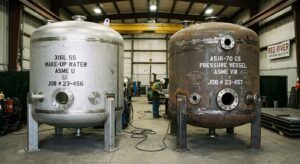
Which Materials Suit Make-Up Water Service?
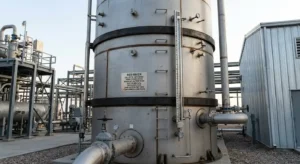
How Big Should Make-Up Water Tanks Be?
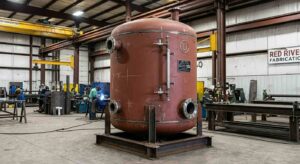
Make-Up Water Tanks: Design, Sizing, and Fabrication
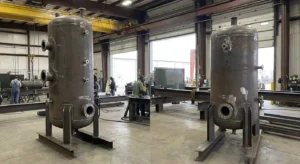
When to Spec Equalization Tanks for Industrial Systems
How Do Equalization Tanks Balance Flow?
- Separator Technology: Innovations for Industry & Science
- Understanding the 2 Types of Oil Water Separator
- Understanding the Difference Between Distillation and Separator
- Understanding the Purpose of a Water Separator
- Understanding Two-Phase Fluid Dynamics
- Understanding the Role of a 2-Phase Separator in Industrial Processes
About Author



