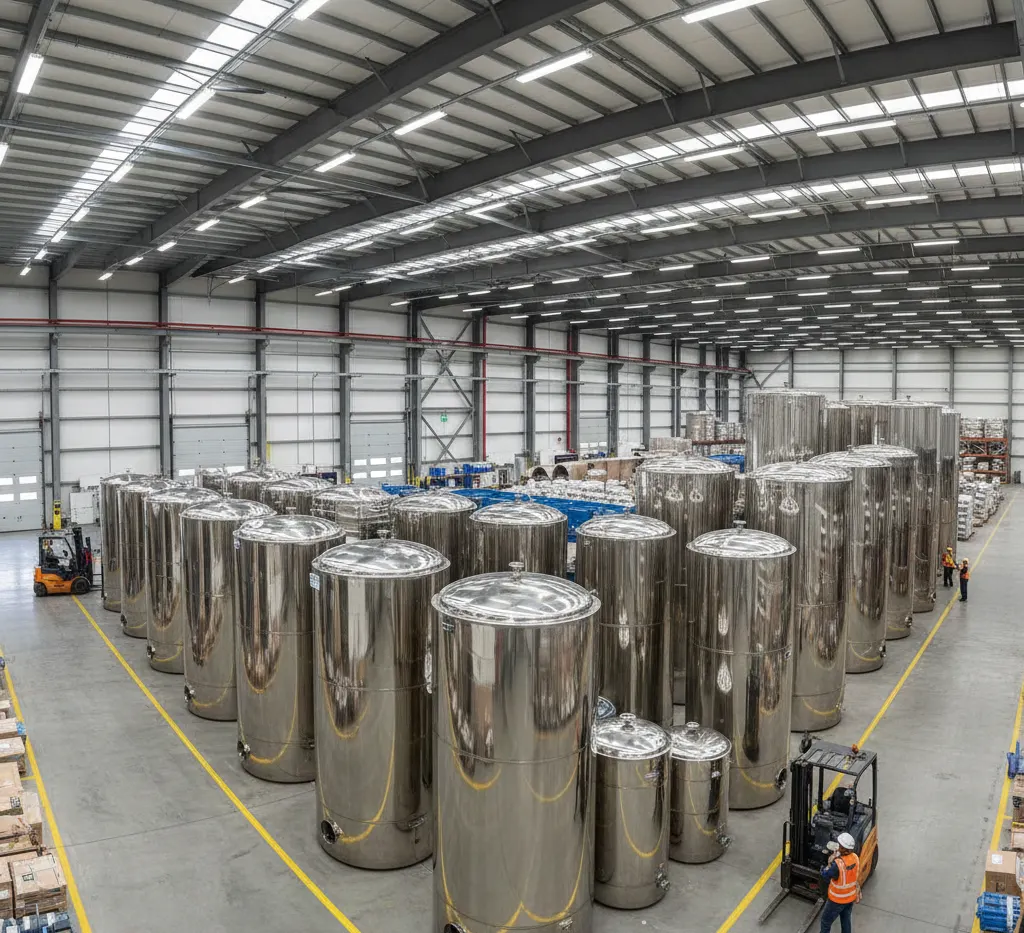
Ethylene glycol is a toxic, sweet-tasting chemical widely used in antifreeze and industrial applications, valued for its low freezing and high boiling points. Exposure poses serious health risks to humans and animals, and improper disposal can severely harm the environment.
Understanding Ethylene Glycol
What is Ethylene Glycol?
Ethylene glycol is a widely used chemical compound found in antifreeze, coolants, and various industrial applications. It is especially valued for its ability to prevent freezing and overheating in engines, heat exchangers, and industrial systems. Chemically, ethylene glycol is known as ethane-1,2-diol, a colorless, odorless, and sweet-tasting liquid.
In industrial environments where fluid control, containment, and system reliability matter, proper handling of chemicals like ethylene glycol is just as critical as selecting the right pressure vessels and storage systems. Many industrial facilities rely on engineered containment solutions such as those described in Red River’s overview of pressure vessels and metal fabrications to safely manage hazardous fluids.
Chemical Properties of Ethylene Glycol
Ethylene glycol has a high boiling point and a low freezing point, making it ideal for heat transfer and temperature regulation applications. These properties allow it to perform efficiently in extreme conditions, particularly in industrial cooling loops and closed systems.
However, despite its usefulness, ethylene glycol presents safety risks if not properly contained. Facilities that use glycol-based systems often depend on ASME-certified equipment, as outlined in the importance of ASME certification in quality assurance, to ensure structural integrity and regulatory compliance.
Selecting the proper materials for tanks and piping is equally important, especially when dealing with corrosive or toxic substances. Red River’s guide on choosing the right material for pressure vessel fabrication highlights why material compatibility matters in chemical handling environments.
Health Risks Associated with Ethylene Glycol
Acute Health Effects of Ethylene Glycol Exposure
Is ethylene glycol dangerous to people? Yes acute exposure can cause serious health issues. Short-term exposure may lead to nausea, vomiting, dizziness, and central nervous system depression. In severe cases, respiratory failure or organ damage may occur.
Industrial safety programs frequently integrate chemical risk mitigation alongside mechanical safety. Topics like safety and compliance in pressure vessel design emphasize how engineering controls and safety procedures work together to reduce exposure risks.
Long-term Health Effects
Prolonged or repeated exposure to ethylene glycol can result in chronic health problems, including kidney damage and neurological effects. Long-term risks underscore the importance of monitoring, proper ventilation, and sealed containment systems.
Facilities managing hazardous fluids often rely on engineered systems similar to those discussed in understanding pressure vessels: definitions and thresholds to prevent leaks and minimize human contact over extended periods.
Symptoms of Ethylene Glycol Poisoning
Early symptoms of ethylene glycol poisoning may resemble alcohol intoxication, followed by gastrointestinal distress. If left untreated, poisoning can escalate to metabolic acidosis, kidney failure, cardiovascular complications, and even death.
Because chemical incidents can escalate quickly, many industrial plants incorporate emergency response planning alongside equipment inspections, as detailed in a comprehensive guide to pressure vessel inspection.
Environmental Impact of Ethylene Glycol
Ethylene Glycol in Water Sources
Ethylene glycol poses a significant environmental risk when released into water sources. It rapidly consumes dissolved oxygen during biodegradation, which can suffocate aquatic life. Even small spills can have serious downstream effects.
This is why secondary containment and spill prevention are critical design considerations in industrial systems, often addressed through custom pressure vessel manufacturing and modular containment strategies such as modular skids.
Impact on Wildlife and Ecosystems
Wildlife exposed to ethylene glycol may suffer severe poisoning or death due to its sweet taste and high toxicity. Ecosystems exposed to repeated contamination can experience long-term imbalance and biodiversity loss.
Industries handling hazardous fluids frequently adopt best practices similar to those outlined in understanding protective safety devices to reduce environmental exposure and ensure compliance with environmental regulations.
Safety Precautions for Handling Ethylene Glycol
Personal Protective Equipment (PPE) Requirements
Wearing proper personal protective equipment (PPE) is essential when working with ethylene glycol. Gloves, chemical-resistant goggles, and protective clothing help prevent skin contact and accidental ingestion.
Red River’s overview of personal protective equipment and proper usage reinforces how PPE fits into a broader industrial safety strategy.
Safe Storage Practices
Ethylene glycol should be stored in clearly labeled, corrosion-resistant containers located in well-ventilated areas away from heat sources. Storage tanks must be designed to prevent leaks and withstand operational stresses.
Many facilities rely on engineered storage solutions like those described in understanding water tanks as pressure vessels and types of industrial pressure vessels to safely store chemical fluids.
Handling Spills and Leaks
In the event of a spill, immediate action is required. Absorbent materials should be used to contain the spill, and cleanup must follow environmental and safety regulations. Proper ventilation is essential to reduce inhalation risks.
Well-designed systems similar to those outlined in failure criteria for pressure vessels help minimize the likelihood of leaks while improving long-term operational reliability.
Need a reliable partner?
Red River specializes in the design and manufacturing of pressure vessels. We also fabricate related items such as prefabricated spools and skid packages.
Reach Out to us today and experience the Red River difference. Where American Made and American Values come together, we care more.
Frequently Asked Question
1. What are the symptoms of ethylene glycol poisoning in pets?
Pets, in particular dogs and cats, are noticeably vulnerable to ethylene glycol poisoning because of its candy flavor. Early signs in pets consist of lethargy, vomiting, and a shortage of coordination. As poisoning progresses, they may enjoy multiplied thirst and urination, seizures, and ultimately kidney failure. If you suspect your pet has ingested ethylene glycol, search for on-the-spot veterinary care.
2. How can I safely do away with ethylene glycol?
Proper disposal of ethylene glycol is important to prevent environmental contamination. You should never pour it down the drain or into the ground. Instead, take it to a nearby unsafe waste disposal facility or contact your nearby waste management services for specific disposal commands. Some vehicle shops also give used antifreeze for recycling.
3. What makes ethylene glycol specifically risky in commercial settings?
In commercial settings, the risks of ethylene glycol are amplified because of the large volumes used and the capability for exposure through inhalation, pores and skin contact, and ingestion. Without proper protection measures, people are at risk of acute and lengthy-time period health consequences. Additionally, spills or leaks can lead to great environmental contamination, making stringent handling and storage practices crucial.
4. Can ethylene glycol be safely used in the meals and beverage industries?
Ethylene glycol itself isn’t always secure enough to be used in meals and beverage industries due to its toxicity. However, its non-toxic alternative, propylene glycol, is frequently used in food processing and prescription drugs. Propylene glycol has comparable houses however is identified as safe for consumption in regulated quantities.
5. How does ethylene glycol affect the surroundings compared to different chemical compounds?
Ethylene glycol has a high potential for environmental damage, mainly to water assets and aquatic lifestyles. When spilled, it depletes oxygen ranges in water bodies, which could kill fish and different aquatic organisms. Compared to different commercial chemical substances, ethylene glycol’s environmental impact is sizable, necessitating careful management and disposal.
Key Takeaways
- Acute and long-term exposure to ethylene glycol can cause nausea, organ damage, neurological effects, and even death.
- Pets are highly susceptible to ethylene glycol poisoning, making careful handling crucial in homes and workplaces.
- Environmental contamination from spills can deplete oxygen in water and harm aquatic life, disrupting ecosystems.
- Proper PPE, storage, spill management, and disposal are essential to safely handle ethylene glycol in industrial and commercial settings.
Related Blog Post
Which Materials Suit Make-Up Water Service?
How Big Should Make-Up Water Tanks Be?
Make-Up Water Tanks: Design, Sizing, and Fabrication
When to Spec Equalization Tanks for Industrial Systems
How Do Equalization Tanks Balance Flow?
- Store Glycol Safely and Effectively: Expert Tips and Best Practices
- Ethylene Glycol
- Store Propylene Glycol Safely and Efficiently
- Store Propylene Glycol Safely and Efficiently
- Propylene Glycol Disposal Safe Methods Environmental Impact and Rules
- Propylene Glycol Disposal Safe Methods Environmental Impact and Rules