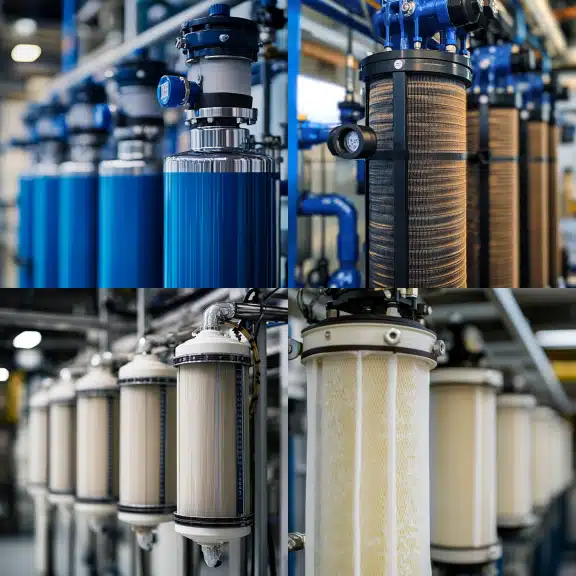
Coalescing oil separators are essential components in industrial air and gas systems where oil contamination can reduce efficiency and damage equipment. These separators remove fine oil aerosols from compressed air or gas streams by merging microscopic droplets into larger ones that can be easily separated and drained.
What Are Coalescing Oil Separators?
Coalescing oil separators are advanced filtration systems designed to remove oil droplets and liquid aerosols from compressed air, gas, or liquid streams. By using specialized coalescing filter media, tiny oil particles are captured and merged into larger droplets for easier removal. These separators are often installed in compressed air systems, fuel gas systems, and other process equipment where clean, oil-free operation is critical.
Why Oil Separation Matters in Industrial Systems
Oil contamination can compromise equipment reliability and operational efficiency. Without proper separation, oil aerosols may cause fouling, corrosion, and premature wear on sensitive components. Learn more about equipment protection with pressure vessels and custom pressure tank solutions.
Key Benefits
- Reduced equipment wear
- Improved system reliability
- Lower maintenance costs
- Cleaner air and gas output
- Extended machinery lifespan
Effective oil separation ensures consistent performance across industrial systems.
Key Components of Coalescing Oil Separators
Coalescing oil separators consist of several core components that work together to remove oil contaminants efficiently.
Coalescing Filter Element
Captures fine oil aerosols and promotes droplet merging for effective separation.
Filter Housing
Provides structural integrity and ensures proper airflow. See how modular skids and housings integrate with separators.
Drain System
Allows accumulated oil to be removed safely without interrupting system operation.
These components combine to deliver reliable and continuous oil separation.
How Coalescing Oil Separators Work
The effectiveness of coalescing oil separators comes from their ability to remove extremely fine oil droplets that traditional separators may miss.
Coalescing Process Explained
Contaminated air or gas flows through layered filter media, capturing microscopic oil droplets. The media encourages these droplets to merge into larger ones that separate from the flow. For deeper understanding, visit our compressed air tank insights.
Step-by-Step Separation Process
- Contaminated air or gas enters the separator
- Fine oil droplets are captured by the filter media
- Droplets merge into larger particles
- Oil collects at the bottom of the housing
- Accumulated oil is drained periodically
This ensures high-purity output and stable system performance.
Coalescing vs Traditional Oil Separators
Coalescing oil separators differ from conventional separation methods in both efficiency and particle size removal capability.
Coalescing Oil Separators
- Remove ultra-fine oil aerosols
- High-efficiency droplet capture
- Cleaner output streams
Traditional Separators
- Less effective on fine droplets
- Lower separation efficiency
- Higher risk of downstream contamination
This performance advantage makes coalescing separators ideal for high-purity applications.
Benefits of Using Coalescing Oil Separators
Coalescing oil separators provide measurable operational and financial advantages.
Performance Advantages
- High oil removal efficiency
- Reduced equipment fouling
- Improved process stability
- Lower lifecycle costs
- Reduced downtime
Their ability to protect downstream equipment makes them a critical investment for industrial systems.
Common Applications of Coalescing Oil Separators
- Oil and gas processing
- Power generation
- Biogas upgrading systems
- Manufacturing plants
- Food and pharmaceutical production
- Compressed air systems
Their versatility makes them standard in modern process systems.
Performance Metrics and Efficiency
Efficiency is measured using key indicators:
- Oil removal efficiency (up to 99.9%)
- Pressure drop across the separator
- Filter lifespan
- Flow rate compatibility
Monitoring these metrics ensures consistent long-term performance.
Choosing the Right Coalescing Oil Separator
Consider both system requirements and operating conditions:
- Contaminant type and concentration
- Required purity levels
- Operating pressure and flow rate
- System compatibility
- Maintenance accessibility
Learn how to select and optimize pressure vessels.
Maintenance Tips for Long-Term Reliability
Proper maintenance ensures coalescing oil separators continue operating at peak efficiency.
Maintenance Best Practices
- Inspect filter elements regularly
- Monitor pressure drop trends
- Maintain drain systems
- Replace filters as recommended
- Follow manufacturer service guidelines
Preventive maintenance reduces downtime and protects equipment.
Long-Term Value of Coalescing Oil Separators
Implementing properly selected and maintained coalescing oil separators delivers long-term operational value. These systems help maintain clean air and gas streams, protect critical equipment, and reduce maintenance frequency across industrial operations.
For facilities prioritizing reliability and efficiency, coalescing oil separators remain a foundational component of effective contamination control strategies.
Partner with Red River for Superior Contamination Control
At Red River, we specialize in designing and manufacturing high-quality pressure vessels, along with related solutions such as prefabricated spools and skid packages. Whether you’re in the oil and gas, power generation, or manufacturing industry, our coalescing oil separators are built to improve system efficiency and reduce operational costs.
Contact us today to learn how our American-made products and solutions can help your business maintain clean, reliable systems and maximize performance. Experience the Red River difference where innovation and integrity come together.
Frequently Asked Questions
1. What industries benefit most from coalescing oil separators?
Industries such as oil and gas, power generation, manufacturing, biogas, and pharmaceuticals rely on coalescing oil separators for clean air and gas streams.
2. How often should filter elements be replaced?
Replacement depends on contamination levels and operating conditions, but many systems require inspection every 6 to 12 months.
3. Can coalescing oil separators be used for liquids and gases?
Yes, they can separate oil from both gas streams and immiscible liquid mixtures, depending on design and filter media.
4. What maintenance is required for coalescing oil separators?
Routine inspection, monitoring pressure drop, maintaining drains, and replacing filter elements are essential maintenance tasks.
5. How do coalescing oil separators improve efficiency?
They remove oil contamination that causes equipment wear, helping maintain system performance, reduce downtime, and extend equipment lifespan.
Key Takeaways
- Coalescing oil separators remove fine oil aerosols from air and gas streams.
- They improve equipment reliability and reduce maintenance costs.
- High-efficiency filtration supports cleaner industrial processes.
- Proper sizing and selection ensure optimal performance.
- Routine maintenance extends separator lifespan.
Related Blog Post
Condensate Tanks: Types, Fabrication, and ASME Code
Which Tests Validate Deaeration in Pressure Systems?
Equalization Tanks: Design, Sizing, and Fabrication
What Are Thermal Storage Testing Standards for TES Vessels?
What Hydro Tests Are Required for Pressure Vessels?
- Understanding Coalescing: What It Means and Its Importance
- Introduction to Coalescing Filters
- Coalescing Oil Separators: How They Work, Benefits & Industrial Applications
- The Importance of Filtration in Industrial Applications
- Coalescing Filter for Industrial Applications: Lifespan & Performance Guide
- Coalescing Plate Separators: How They Work and Industrial Applications
About Author