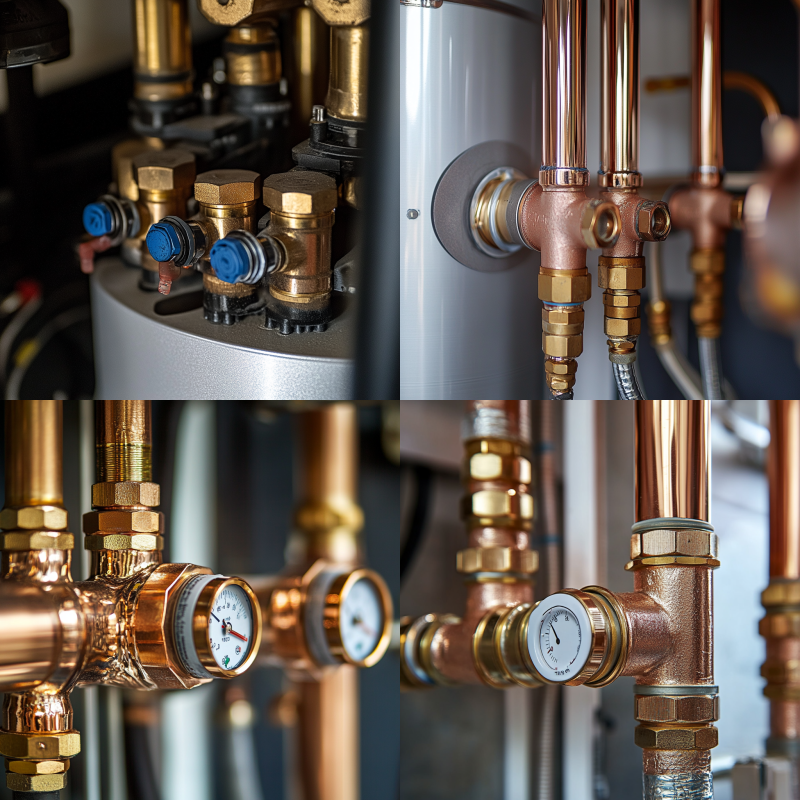
A waterlogged expansion vessel can compromise your heating system, causing pressure spikes, leaks, and inefficiency. This guide explains how to check expansion tank pressure, identify a vessel that is full, and maintain your system safely.
What Is an Expansion Tank and How Does It Work?
An expansion tank (also called an expansion vessel) is a small but critical component in sealed heating systems such as boilers and hydronic heating loops. As water heats, it expands, increasing system pressure. The expansion tank provides a controlled chamber to absorb this expansion, separating water from a compressed air cushion using a diaphragm or membrane.
This air cushion compresses as pressure rises, stabilizing the system and preventing damage to pipes, valves, and the boiler itself. Without a functioning expansion vessel, excessive pressure can develop an issue closely tied to broader pressure risks discussed in understanding pressure vessel hazards and the dangers of high pressure.
Although expansion tanks are not traditional pressure vessels, their operation overlaps with concepts explained in pressure vessel vs expansion tank: distinguishing the two, and what is the difference between a tank and a pressure vessel.
Why Checking Expansion Tank Pressure Is Vital
Maintaining the correct air pressure inside your expansion tank is essential for safe and efficient operation. A tank that is under-pressurized or waterlogged cannot absorb system pressure effectively, leading to multiple system problems.
Potential consequences include:
- Pressure spikes: Causing frequent activation of the pressure relief valve, a safety concern also addressed in understanding OSHA pressure relief valve regulations
- Leaks and pipe bursts: Excessive pressure stresses joints and seals, similar to failure patterns outlined in common types of failure in the strength of materials
- System inefficiency: Boiler shutdowns or erratic cycling, often linked to problems described in what happens if there’s too much pressure inside the boiler
- Premature component failure: Pumps, valves, and boilers wear faster when pressure control is lost, echoing issues in pressure vessel failure mechanisms
Routine pressure checks help prevent these issues and align with best practices discussed in understanding the replacement frequency of expansion tanks.
Signs of a Faulty or Waterlogged Expansion Tank
A failing expansion vessel often shows clear warning signs. Watch for the following indicators:
- Frequent pressure fluctuations: System pressure rises and falls unpredictably
- Pressure relief valve discharge: Water releases regularly, indicating poor pressure absorption
- Water from the air valve: Pressing the valve pin releases water instead of air—a strong sign of diaphragm failure, as explained in understanding a faulty expansion tank
- Unusual noises: Banging, gurgling, or knocking sounds in pipes
- Visible leaks or boiler shutdowns: System stops due to pressure faults
More diagnostic insight is covered in deciphering the signs: detecting a faulty expansion vessel and signs of a combi boiler expansion vessel malfunction.
How to Check Expansion Tank Pressure
Step 1: Test the Air Valve
Press the valve pin on the expansion tank. If water comes out instead of air, the tank is waterlogged, and the diaphragm has likely failed. This condition often leads directly to the problems outlined in what happens if a boiler expansion vessel fails.
Step 2: Measure Air Pressure
Use a tire pressure gauge on the air side of the tank. Compare the reading with the manufacturer’s specification, typically 0.75 to 1.5 bar for residential systems. Maintaining correct pressure aligns with broader pressure control principles discussed in understanding the ideal pressure for pressure vessels.
Step 3: Repressurize or Replace
- Low air pressure: Repressurize using a hand pump
- Damaged diaphragm or waterlogged tank: Replacement is required, following guidance similar to the ultimate guide to replacing an expansion vessel yourself
For tanks that cannot hold pressure, replacement is safer than repeated recharging.
Maintaining the Correct Expansion Tank Pressure
Prevent your expansion vessel from becoming full of water with these best practices:
- Annual inspections: Check tank pressure during boiler servicing, consistent with the ultimate guide to pressure vessel maintenance
- Monitor system pressure: Stable pressure reduces stress on system components
- Water treatment: Proper treatment limits corrosion and diaphragm damage, especially in glycol systems, as discussed in glycol and its role in boilers and ethylene glycol corrosiveness
- Correct tank sizing: Undersized or oversized tanks cause recurring issues, as explained in the importance of pressure tank size in your water system and the impact of oversized pressure tanks
Keep Your Heating System Safe and Efficient
Regular inspection and pressure checks of your expansion tank prevent leaks, boiler shutdowns, and premature component failure. Ignoring a waterlogged or failing expansion vessel can lead to cascading system damage outcomes, frequently documented in the consequences of boiler expansion vessel failure, and understanding the causes of pressure vessel failure.
With early detection, proper sizing, and routine maintenance, your heating system remains safe, efficient, and reliable for years to come.
Need a Reliable Partner?
Red River specializes in the design and manufacturing of pressure vessels. We also fabricate related items such as prefabricated spools and skid packages.
Reach out to us today and experience the Red River difference. Where American-made products and American Values come together, we care more.
Frequently Asked Questions
1. How do I check the expansion tank pressure?
Press the valve pin to release a small amount of water. If water comes out, the tank is full. Then, use a tire pressure gauge to check the air chamber.
2. What does it mean when an expansion tank is full of water?
It indicates the air cushion is compromised, usually from a damaged diaphragm. The tank can no longer absorb pressure changes effectively.
3. How often should I check my expansion tank?
Check at least once a year, ideally during your annual boiler or heating system service.
4. What happens if the expansion tank fails?
System pressure may spike, causing leaks, frequent activation of the pressure relief valve, or boiler shutdowns.
5. Can I fix an expansion tank full of water myself?
You may be able to repressurize the air side, but a damaged diaphragm requires professional replacement.
Key Takeaways
- An expansion vessel full of water loses its air cushion, risking system pressure spikes and damage.
- The diaphragm or membrane absorbs pressure changes caused by water expansion.
- Regular inspection and pressure checks prevent leaks, shutdowns, and inefficiency.
- Maintain system pressure, treat water, and ensure correct tank sizing to prolong lifespan.
- Seek professional help if unsure about diagnosing or replacing the expansion vessel.
Related Blog Post
Can Condensate Storage Improve Reliability?
Where Do Condensate Tanks Fit in a Steam System?
Which Nozzles Simplify Maintenance on Pressure Vessels?
How to Vent Condensate Tanks in Steam Systems
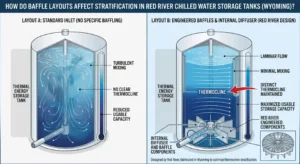
How Do Baffle Layouts Affect Stratification in TES Tanks?
No subpillar set for this blog post.
About Author