
Essential Safety Devices in Air Receivers

Understanding Air Receivers and Their Importance
What is an Air Receiver?
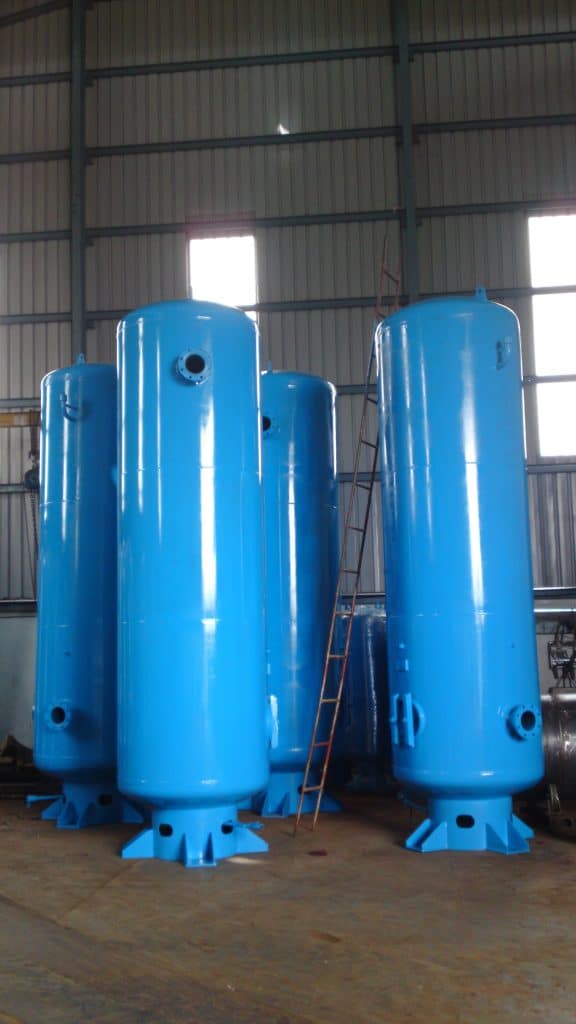
An air receiver, frequently the backbone of a compressed air gadget, acts as a reservoir for compressed air, stabilizing stress variations and helping to reduce the workload on the compressor. This important element isn’t just a garage unit but a lifeline that enhances the efficiency and lifespan of your compressed air device.
Roles of Air Receivers in Compressed Air Systems
In any sturdy compressed air system, air receivers play a pivotal function by dampening pulsations, aiding in moisture separation, and providing a buffer to satisfy unexpected demands for air electricity. Their presence is crucial in preserving the steadiness and reliability of pneumatic systems across numerous industries, from oil and gasoline to electricity technology.
Key Reasons for Using Air Receivers
Utilizing air receivers allows for electricity conservation. Additionally, it reduces put and tear on compression gadgets, and furthermore, guarantees a regular supply of air for essential methods. As a result, they are critical in managing the dynamics of air delivery, particularly in structures experiencing fluctuating demand.
Comprehensive Guide to Safety Devices on Air Receivers
Importance of Safety Devices in Compressed Air Systems
Safety devices aren’t simply additions however are imperative components that ensure the operational integrity and protection of air receiver tanks. These mechanisms are essential in preventing over-pressurization, which could cause device failure or catastrophic incidents.
Overview of Common Safety Devices
Common safety devices on air receivers encompass stress comfort valves, pressure gauges, and emergency shutoffs. Each of these tools, in their own way, plays a selected role in retaining the device’s safety and efficiency. Consequently, they ensure that the air receivers function inside secure operational parameters.
Pressure Relief Valves Explained
Function of Pressure Relief Valves
Pressure alleviation valves are the primary line of protection against overpressure eventualities. Specifically, they are designed to open at a predetermined strain limit and relieve excess strain. In doing so, they safeguard the air receiver and linked structures from the risks of strain buildup.
How Pressure Relief Valves Preserve Safety
By automatically freeing air when strain exceeds safe limits, these valves prevent capacity harm to the air receiver and downstream gadget. As a result, they help in warding off downtime and high-priced upkeep.
Need a reliable partner?
Frequently Asked Questions About Safety Devices in Air Receivers
What is the difference between a pressure relief valve and a safety valve?
While both valves are designed to manage pressure in air receiver systems, their operation and purposes differ subtly. Specifically, pressure relief valves gradually release air to prevent excess pressure, typically adjustable to different pressure levels depending on system requirements. Conversely, safety valves are designed for rapid opening at a preset pressure level, providing a quick response in critical overpressure situations.
How often should safety devices on air receivers be inspected?
Safety devices should be inspected at regular intervals, which can vary depending on the operational environment and usage frequency of the system. Generally speaking, a thorough inspection is recommended at least once a year. However, for systems in constant use or in harsh environments, more frequent checks (quarterly or bi-annually) might be necessary in order to ensure they remain in optimal working condition and compliant with safety regulations.
Can I test or reset the pressure relief valve on my air receiver by myself?
Testing or resetting pressure relief valves is a critical task that should ideally be performed by trained personnel to ensure accuracy and safety. If you are trained and familiar with the system’s specifications, you may perform this task; otherwise, it is advisable to hire a professional. Incorrect handling can lead to improper functioning of the valve, which might compromise the system’s safety.
What happens if the safety devices on an air receiver fail?
Failure of safety devices on an air receiver can lead to several potential risks, including system failure, excessive pressure buildup leading to explosions, or severe damage to property and personnel. It underscores the importance of regular maintenance and timely replacement of faulty components to safeguard against operational failures and ensure the longevity of the air receiver.
Are there any signs that safety devices on an air receiver need to be replaced or serviced?
Yes, there are several indicators that safety devices may need attention. These include visible damage such as cracks or corrosion, irregularities during operation like sticking or not closing properly, and failure to actuate at the set pressure points during testing. If any of these signs are observed, it’s crucial to consult a professional for a detailed assessment and replacement if necessary to maintain the system’s integrity and safety.
Related Blog Post
- What are air receivers made from?
- Is an air receiver a pressure vessel?
- What is the color code for air receiver?
- At what pressure air receivers are tested?
- How do air receivers control moisture build up?
- What are the different types of air receivers?
- What are the safety requirements for air receivers?
- What is an air receiver used in an air compression system?
- What is the difference between air compressor and air receiver?
- What is the difference between wet air receiver and dry air receiver?
Solutions
In the realm of industrial solutions, Red River emerges as a pioneer, offering a diverse range of custom-engineered products and facilities. Among our specialties is the design and production of Custom/OEM Pressure Vessels, meticulously crafted to meet individual client requirements, ensuring performance under various pressure conditions. Our expertise extends to the domain of prefabrication, where Red River leads with distinction.
The company excels in creating prefabricated facilities, modules, and packages, reinforcing its stance as a forerunner in innovation and quality. This proficiency is further mirrored in their Modular Skids offering, where they provide an array of Modular Fabricated Skid Packages and Packaged equipment. Each piece is tailored to client specifications, underlining their commitment to delivering precision and excellence in every project they undertake.


Related Blog Post
Condensate Tanks: Types, Fabrication, and ASME Code
Which Tests Validate Deaeration in Pressure Systems?
Equalization Tanks: Design, Sizing, and Fabrication
What Are Thermal Storage Testing Standards for TES Vessels?
What Hydro Tests Are Required for Pressure Vessels?
No related articles found.
About Author
