What is the Difference Between a Wet Air Receiver and a Dry Air Receiver?

Understanding Air Receivers in Compressed Air Systems
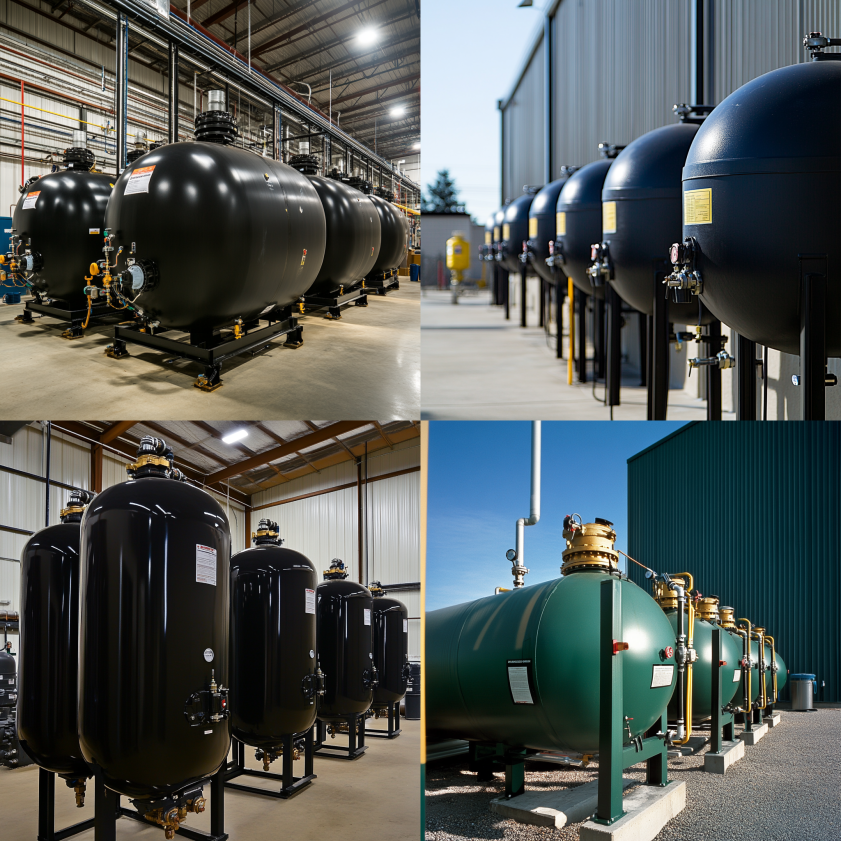
Before diving into the distinctions between wet and dry air receivers, it’s essential to understand the general role of an air receiver tank. In any compressed air system, fluctuations in demand can cause pressure instability and system inefficiencies. Air receivers act as a buffer between the compressor and the end-use equipment, ensuring consistent pressure and storing excess air for periods of high demand.
Key Benefits of Air Receivers:
- Reduce compressor cycling
- Improve energy efficiency
- Provide emergency air supply
- Assist with moisture removal
- Stabilize pressure throughout the system
Depending on where the air receiver is located in the system—before or after the dryer—it is classified as either a wet or dry air receiver.
What is a Wet Air Receiver?
A wet air receiver is positioned directly after the air compressor and before the air dryer. At this stage, the compressed air is still hot and contains a significant amount of moisture, making it “wet.” The wet receiver’s main job is to act as the first line of moisture separation.
How It Works:
As compressed air enters the tank, it slows down. This drop in velocity allows moisture and oil vapors to condense and settle at the bottom of the tank, where they can be drained off.
Advantages of Wet Air Receivers:
- Removes bulk moisture before it reaches the dryer
- Reduces workload on the dryer, prolonging its lifespan
- Helps in cooling the air, aiding in additional condensation
- Minimizes potential water damage to downstream components
Because the air is still unprocessed by the dryer, the wet receiver handles most of the initial condensation. Frequent draining (often automated via drain valves) is crucial to prevent water buildup.
What is a Dry Air Receiver?
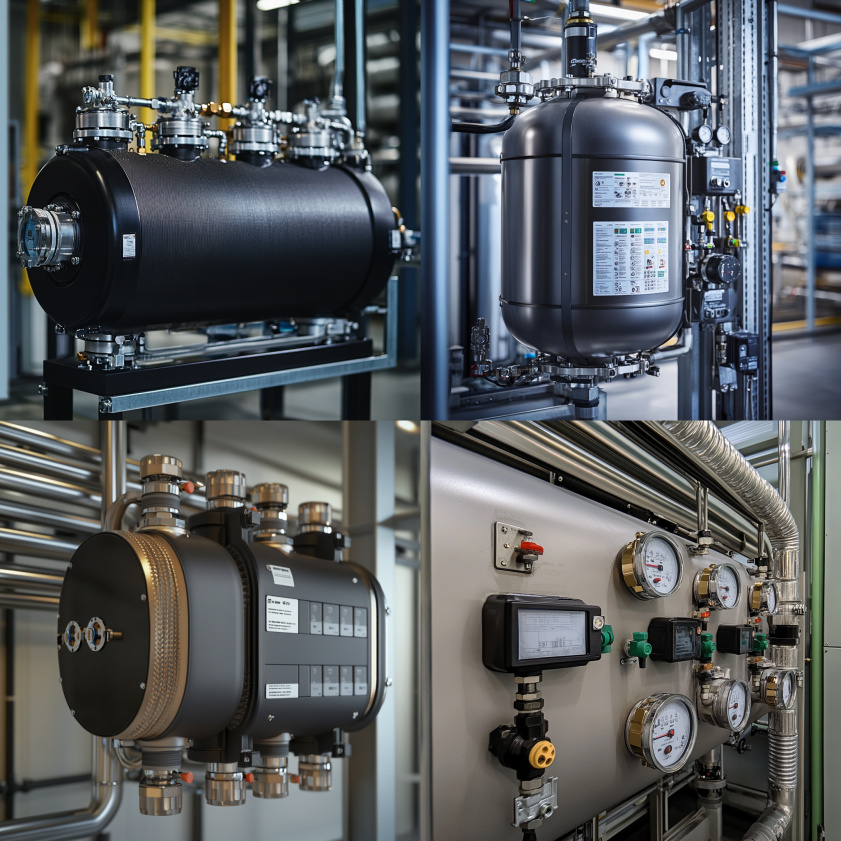
A dry air receiver is located after the air has passed through the dryer, meaning the air inside is clean and moisture-free. The dry receiver functions as a storage and distribution point for this conditioned air.
Primary Functions:
- Maintains a steady air pressure downstream
- Acts as a buffer to manage sudden air demands
- Reduces pressure drops across the system
- Ensures dry, high-quality air delivery to end-use equipment
Dry air receivers are essential in systems where pressure stability and air quality are critical, such as in laboratories, cleanrooms, and food-grade production environments.
Key Differences Between Wet and Dry Air Receivers
Although both types serve the broader purpose of managing compressed air flow and storage, they do so in very different ways, and understanding these distinctions is key for system optimization.
Feature | Wet Air Receiver | Dry Air Receiver |
Placement | Before the air dryer | After the air dryer |
Air Type | Moist, hot, and potentially oily air | Clean, dry, and filtered air |
Primary Function | Moisture separation, cooling, and buffering | Storage and pressure stabilization |
Impact on Equipment | Protects the dryer | Supports end-use equipment |
Drainage Needs | High – must remove condensate regularly | Minimal to none |
Material Stress | Higher due to moisture and temperature | Lower, more stable environment |
When to Use | High-condensate or hot-air environments | Precise applications needing clean air |
When Should You Use One Over the Other?
- Use a wet receiver if your system generates high moisture content and you want to extend the life of your air dryer.
- Use a dry receiver if you require a consistent supply of clean, dry air with minimal pressure fluctuation.
- Use both in systems where moisture control and pressure balance are equally critical.
For a deeper dive into compressed air system design, the Compressed Air Best Practices guide offers extensive resources.
Choosing the Right Air Receiver for Your System
Choosing between a wet and dry air receiver—or more likely, deciding how to integrate both into your compressed air setup—is about efficiency, reliability, and equipment longevity.
The difference between a wet air receiver and a dry air receiver goes beyond their placement in the system. It’s about recognizing what each does best and ensuring your system takes advantage of those benefits. When planned and implemented properly, these components contribute to:
- Energy efficiency
- System uptime
- Lower maintenance costs
- Better air quality
If you’re evaluating your compressed air system or planning a new one, don’t overlook how essential proper receiver placement can be.
Need a reliable partner?
Red River specializes in the design and manufacturing of pressure vessels. We also fabricate related items such as prefabricated spools and skid packages.
Reach out to us today and experience the Red River difference. Where American-made products and American Values come together, we care more.
Frequently Asked Questions
1. What is the main purpose of a wet air receiver?
A wet air receiver helps remove bulk moisture and oil from compressed air before it enters the dryer, extending equipment lifespan and improving system efficiency.
2. Why would I use a dry air receiver after the dryer?
A dry air receiver stores clean air and helps stabilize system pressure, ensuring reliable delivery during peak usage times.
3. Can I use both wet and dry air receivers in one setup?
Yes, many systems benefit from using both. Wet receivers protect the dryer, while dry receivers improve distribution and pressure control.
4. Do wet air receivers need special maintenance?
Yes. They must be drained frequently to prevent condensate buildup and may require corrosion-resistant coatings or filters due to exposure to moisture.
5. Is there a specific size recommended for each type of receiver?
Receiver size depends on system demand, compressor size, and cycle frequency. ASME guidelines and manufacturer recommendations should be followed.
6. Can the same tank be used as both a wet and dry receiver?
Not effectively. Each tank type is strategically placed and operates under different air quality conditions, so it’s best to use dedicated tanks.
7. How do I know if my system needs a larger receiver?
Signs include frequent compressor cycling, pressure drops, or insufficient air during peak demand. System audits can identify sizing issues.
8. Where can I learn more about compressed air standards?
The Compressed Air & Gas Institute (CAGI) offers technical guides and standards for air system components and operation.
Key Takeaways
- Wet air receivers are installed before dryers to remove moisture early, reducing the load on dryers.
- Dry air receivers are installed after dryers to store and deliver clean, dry air at stable pressure.
- Wet receivers need more drainage and maintenance due to condensate accumulation.
- Dry receivers improve system efficiency by maintaining constant air pressure.
- Using both types in combination offers the most reliable and efficient compressed air setup.
Related Blog Post
- What are air receivers made from?
- Is an air receiver a pressure vessel?
- What is the color code for air receiver?
- At what pressure air receivers are tested?
- How do air receivers control moisture build up?
- What are the different types of air receivers?
- What are the safety requirements for air receivers?
- What is an air receiver used in an air compression system?
- What is the difference between air compressor and air receiver?
- What safety devices are air receivers equipped with and for what purpose?
Solutions
In the realm of industrial solutions, Red River emerges as a pioneer, offering a diverse range of custom-engineered products and facilities. Among our specialties is the design and production of Custom/OEM Pressure Vessels, meticulously crafted to meet individual client requirements, ensuring performance under various pressure conditions. Our expertise extends to the domain of prefabrication, where Red River leads with distinction.
The company excels in creating prefabricated facilities, modules, and packages, reinforcing its stance as a forerunner in innovation and quality. This proficiency is further mirrored in their Modular Skids offering, where they provide an array of Modular Fabricated Skid Packages and Packaged equipment. Each piece is tailored to client specifications, underlining their commitment to delivering precision and excellence in every project they undertake.


Related Blog Post
Can Condensate Storage Improve Reliability?
Where Do Condensate Tanks Fit in a Steam System?
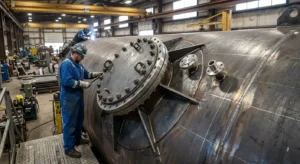
Which Nozzles Simplify Maintenance on Pressure Vessels?
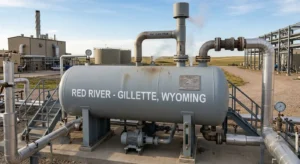
How to Vent Condensate Tanks in Steam Systems
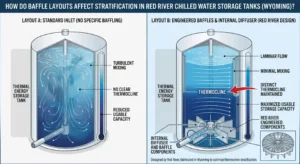
How Do Baffle Layouts Affect Stratification in TES Tanks?
No related articles found.
About Author