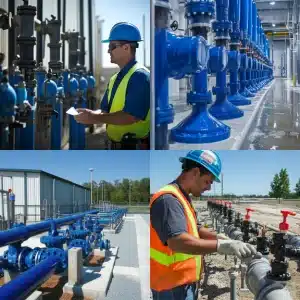
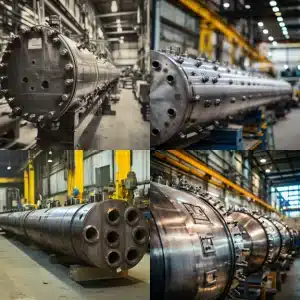
diesel pressure vessel filter separator maintenance guide

Diesel Pressure Vessel Filter Separator – Red River LLC

Diesel pressure vessel filter separators protect engines by removing water and contaminants, but common mistakes like neglecting water levels, skipping maintenance, or using the wrong filters can reduce their effectiveness. Consistent monitoring, environment-specific setups, and proper maintenance ensure reliable fuel filtration and longer engine life. Why Diesel Pressure Vessel Filter Separator Practices Matter Many operators who use a diesel pressure vessel filter separator rely on it every day for clean, water-free diesel fuel. Yet it’s all too easy to slip

Read More »
fuel water separator protecting engine from water damage

Fuel Water Separator – Red River LLC

A fuel water separator protects engines by removing moisture that causes corrosion, poor combustion, microbial growth, and costly breakdowns. Whether in small boats, trucks, or industrial facilities, using and maintaining the right separator improves reliability, efficiency, and long-term cost savings. Understanding the Role of a Fuel Water Separator Water in your fuel tank might sound harmless, but in reality, it is one of the most common causes of unexpected engine troubles. Whether you run a heavy-duty diesel rig, a gas

Read More »
explosion of pressure vessels

Understanding Failure Safety: Types, Examples, and Engineering Best Practices

Failure safety in engineering ensures that systems remain secure and functional—even when things go wrong. From fail-safe shutdowns and fault-tolerant backups to inherently safe designs and layered defenses, each method minimizes risk and protects lives. This guide breaks down the key types of failure safety, with real-world examples and best practices for industries like pressure vessels, aviation, and electronics. Whether you’re designing, inspecting, or maintaining critical systems, understanding these principles is essential for building resilience and avoiding catastrophe. Types of

Read More »
Regulation 5 for private water supplies for safe private systems

Regulation 5 for private water supplies: What Owners and Operators Need to Know

Regulation 5 for private water supplies sets the expectations for keeping private water systems safe, reliable, and fit for use. It focuses on risk assessment, ongoing monitoring, and prompt corrective action when issues appear. For industrial operators, the regulation also links water safety to the integrity of storage and process equipment, including pressure vessels. Red River LLC supports compliant water infrastructure through safe vessel design, fabrication, and long-term maintenance planning. Understanding Regulation 5 for private water supplies Understanding Regulation 5

Read More »
conductivity levels in drinking water in safe water systems

Conductivity Levels in Drinking Water: Why They Matter for Safety and Industry

Conductivity levels in drinking water help reveal how much dissolved material is present in a water supply. When conductivity shifts outside safe ranges, it can signal elevated salts, metals, or other contaminants that affect taste, process performance, and long-term safety. Regular monitoring supports cleaner water and more reliable industrial systems. RedRiver LLC helps operators manage conductivity levels in drinking water by supplying pressure vessels and fabricated solutions designed for safe water handling. Understanding conductivity levels in drinking water Conductivity in

Read More »
Compliance with Regulation 4 for ASME Pressure Vessels in fabrication

Compliance with Regulation 4 for ASME Pressure Vessels: What It Means for Safe, Reliable Operations

Compliance with Regulation 4 for ASME Pressure Vessels is a practical safety commitment, not just paperwork. It ensures vessels are designed, built, tested, and maintained to manage pressure risks while meeting recognized standards. When you treat Regulation 4 as a lifecycle practice, you reduce downtime, prevent failures, and protect teams. RedRiver LLC supports compliant fabrication and ongoing readiness with a steady, safety-first approach. Why Compliance with Regulation 4 for ASME Pressure Vessels Matters Compliance with Regulation 4 for ASME Pressure

Read More »