Pressure vessel failure criteria define the limits at which vessels can safely operate before risks like brittle fracture, fatigue, creep, or corrosion lead to failure. Understanding these criteria, along with regulatory codes and real-world case lessons, helps engineers and operators design safer systems, prevent catastrophic incidents, and extend vessel lifespan.
Introduction to Failure Criteria for Pressure Vessels
Pressure vessels are essential across industries such as chemical processing, power generation, oil refining, and aerospace, where they safely contain gases, liquids, and steam under pressure. Because failures can cause injuries, environmental damage, and major financial loss, understanding pressure vessel failure criteria is critical. This article introduces the fundamental principles used to determine when a pressure vessel can no longer operate safely. It explains common failure modes, including brittle fracture, fatigue failure, creep deformation, and corrosion, along with the factors that drive them. By understanding these failure mechanisms and criteria, engineers and operators can better assess risk and improve design decisions.
Types of Pressure Vessel Failures
Pressure vessels, despite their robust designs and construction, are susceptible to several distinct failure modes. Understanding these failure types is crucial for engineers, operators, and maintenance personnel to prevent accidents and ensure the safe operation of these vessels. Here, we’ll explore the most common types of pressure vessel failures:
Brittle Fracture
- Description: A brittle fracture is a sudden and catastrophic failure that occurs without any significant plastic deformation. It often happens at low temperatures and involves the rapid propagation of cracks.
- Causes: This type of failure is typically caused by low-temperature conditions, high-stress concentrations, and materials with low toughness.
- Prevention: Avoiding low-temperature service, using materials with high fracture toughness, and implementing proper stress analysis and design are essential for preventing brittle fracture.
Fatigue Failure
- Description: Fatigue failure occurs due to the repetitive application of cyclic stresses below the material’s yield strength, leading to crack initiation and growth over time.
- Causes: Factors such as vibration, thermal cycling, and fluctuating pressure can contribute to fatigue failure. It is also influenced by the material’s fatigue properties.
- Prevention: Designing for fatigue resistance, conducting fatigue life assessments, and implementing maintenance practices to detect and repair cracks are vital for preventing fatigue failure.
Creep Deformation
- Description: Creep deformation is a time-dependent process where materials slowly deform under constant load or stress at elevated temperatures. It can lead to permanent distortion or rupture.
- Causes: Elevated temperatures and high-stress levels are primary contributors to creep deformation. Materials with poor creep resistance are more susceptible.
- Prevention: Minimizing exposure to high temperatures, using materials designed for elevated temperature applications, and conducting regular inspections to detect creep deformation are key preventive measures.
Corrosion
- Description: Corrosion involves the deterioration of a pressure vessel’s material due to chemical reactions with the surrounding environment, leading to thinning of the vessel walls.
- Causes: Exposure to corrosive substances, improper material selection, and inadequate protective coatings can contribute to corrosion.
- Prevention: Employing corrosion-resistant materials, implementing corrosion monitoring and control measures, and conducting regular inspections and maintenance are essential for preventing corrosion-related failures.
Failure Criteria for Pressure Vessels
Understanding the criteria that lead to the failure of pressure vessels is essential for ensuring their safe operation and preventing potentially catastrophic incidents. Pressure vessel failures can be attributed to various factors, and each failure mode has its unique set of criteria. Here, we will delve into the failure criteria for pressure vessels across different failure modes:
Brittle Fracture Criteria
- Introduction to Brittle Fracture: A brittle fracture is a sudden, catastrophic failure that occurs without significant plastic deformation. It is characterized by the rapid propagation of cracks through the material.
- Material Properties: The primary criterion for brittle fracture prevention is the fracture toughness (KIC) of the material. Materials with high fracture toughness are less prone to brittle fracture.
- Stress Intensity Factor (K): The stress intensity factor (K) is used to assess whether the applied stress exceeds the critical stress intensity factor (KIC) for a given material. If K > KIC, the material may be susceptible to brittle fracture.
- Impact Testing: Charpy V-notch tests and other impact tests are employed to evaluate the material’s resistance to brittle fracture under specific conditions.
Fatigue Failure Criteria
- Introduction to Fatigue Failure: Fatigue failure occurs due to cyclic loading below the material’s yield strength, leading to the initiation and growth of cracks over time.
- S-N Curves: Stress-life (S-N) curves are used to determine a material’s fatigue life under different stress levels. These curves provide insights into the material’s fatigue behavior.
- Fatigue Strength Reduction Factors: Various factors, including load type, temperature, and environmental conditions, affect a material’s fatigue strength. Reduction factors are applied to account for these influences.
- Factors Affecting Fatigue Life: Factors such as stress concentration, surface finish, and notch sensitivity can influence fatigue life.
Creep Deformation Criteria
- Introduction to Creep Deformation: Creep deformation is a time-dependent process where materials deform under constant load or stress at elevated temperatures.
- Creep Curves: Creep curves help assess a material’s creep behavior, including primary, secondary, and tertiary stages. The Larson-Miller parameter is often used for predicting rupture.
- Larson-Miller Parameter: The Larson-Miller parameter correlates temperature, time, and stress to predict the time to rupture under creep conditions.
- Factors Influencing Creep Behavior: Elevated temperatures, stress levels, and material composition significantly impact creep deformation.
Corrosion Failure Criteria
- Introduction to Corrosion: Corrosion involves the chemical deterioration of a material due to reactions with the environment, leading to wall thinning and material loss.
- Corrosion Types: Different types of corrosion, such as pitting, uniform, and stress corrosion, have specific criteria and susceptibility factors.
- Corrosion Prevention: Preventive measures include material selection, protective coatings, corrosion-resistant alloys, and monitoring for corrosion-related changes.
Regulatory Standards and Codes
Pressure vessels operate under strict regulatory guidelines and codes to ensure their safety, reliability, and compliance with industry standards. These regulations are established to prevent failures, protect personnel, and safeguard the environment. Here, we’ll explore the key aspects of regulatory standards and codes for pressure vessels:
ASME Boiler and Pressure Vessel Code (BPVC)
The ASME BPVC is one of the most widely recognized codes for pressure vessel design, construction, and inspection. It is published by the American Society of Mechanical Engineers (ASME).
- Scope: The BPVC covers a wide range of pressure vessel types, including boilers, pressure vessels, and nuclear components, and provides detailed guidelines for their design, fabrication, testing, and inspection.
- Certification: Pressure vessels built to ASME standards often require certification, denoted by an ASME stamp or symbol, indicating compliance with the code.
API Standards
The American Petroleum Institute (API) develops standards specific to the petrochemical and oil and gas industries. API standards, such as API 510 (Pressure Vessel Inspection Code), provide guidelines for the inspection, repair, alteration, and integrity management of pressure vessels used in these sectors.
- Application: API standards are widely used in refineries, chemical plants, and offshore drilling platforms
National Board Inspection Code (NBIC)
The NBIC provides standardized procedures for the inspection, repair, and alteration of pressure vessels. It also offers guidelines for the registration and stamping of pressure vessels.
- Role: The NBIC complements other codes like ASME by providing additional guidance on pressure vessel inspection and repair practices.
Jurisdictional Regulations:
Local and National Regulations: In addition to industry-specific codes, pressure vessels must comply with local, state, and national regulations. These regulations may include permitting, safety assessments, and compliance with environmental standards.
Safety Authorities: Local authorities and safety agencies are responsible for ensuring that pressure vessels within their jurisdiction adhere to safety regulations.
International Standards
Global Standards: Pressure vessel codes and standards often align with international norms, ensuring consistency and safety across borders.
ISO Standards: The International Organization for Standardization (ISO) offers standards related to pressure vessels, including ISO 16528 (Boilers and Pressure Vessels Design), which provides a global perspective on design and safety.
Material and Welding Standards
Material Specifications: Pressure vessel materials must meet specific standards to ensure their strength, durability, and compatibility with the intended service conditions.
Welding Codes: Welding procedures and techniques must adhere to codes such as AWS D1.1 (Structural Welding Code – Steel) to ensure the quality and integrity of pressure vessel welds.
Case Studies
To truly grasp the significance of pressure vessel failures and the consequences they can have, let’s examine real-world case studies that highlight the lessons learned from these unfortunate incidents. These case studies serve as powerful reminders of the importance of diligent design, regular maintenance, and compliance with industry standards.
Piper Alpha Platform Disaster (1988):
Overview:
The Piper Alpha platform, located in the North Sea, suffered one of the deadliest offshore oil and gas platform disasters in history. The explosion and subsequent fires resulted in 167 fatalities and massive economic losses.
Cause:
The primary cause was a gas leak due to the failure of a pressure safety valve. Inadequate safety systems, communication failures, and a lack of proper maintenance procedures contributed to the disaster.
Lesson:
The Piper Alpha disaster underscored the importance of robust safety systems, clear communication, and rigorous maintenance protocols in offshore operations.
Space Shuttle Challenger Disaster (1986):
Overview:
The Space Shuttle Challenger disaster, in which seven astronauts lost their lives, was caused by the failure of an O-ring seal in one of the solid rocket boosters.
Cause:
The O-ring failure was attributed to low temperatures at the time of launch, which reduced the O-ring’s flexibility. There were communication failures and organizational issues that led to the launch proceeding despite concerns.
Lesson:
The Challenger disaster highlighted the critical role of proper material selection, environmental considerations, and organizational culture in ensuring the safety of pressure-containing components in aerospace applications.
BP Texas City Refinery Explosion (2005):
Overview:
An explosion at the BP Texas City refinery resulted in 15 fatalities, numerous injuries, and extensive damage. The incident was one of the most significant refinery accidents in the United States.
Cause:
The explosion was caused by the overfilling and overheating of a distillation tower. Contributing factors included inadequate training, poor communication, and insufficient process safety management.
Lesson:
This disaster emphasized the need for comprehensive training, effective process safety management, and clear procedures to prevent overfill incidents in industrial processes.
T2 Laboratories Explosion (2007):
Overview:
An explosion at the T2 Laboratories in Florida claimed the lives of four people and resulted in substantial damage. The facility produced chemicals used in the pharmaceutical and food industries.
Cause:
The explosion was triggered by a runaway reaction in a pressure vessel. Insufficient process knowledge, a lack of appropriate safety measures, and inadequate emergency response procedures were contributing factors.
Lesson:
The T2 Laboratories incident highlighted the importance of thorough process hazard analysis, proper vessel design, and emergency response planning in chemical manufacturing operations.
Preventive Measures and Best Practices
Ensuring the safe and reliable operation of pressure vessels requires a proactive approach that includes preventive measures and adherence to best practices throughout their lifecycle. Implementing these strategies is essential for preventing failures and maintaining the integrity of pressure vessels. Here are key preventive measures and best practices:
Materials Selection
Select Suitable Materials: Choose materials that are compatible with the process fluids, operating temperatures, and pressures. Consider corrosion resistance, fatigue strength, and fracture toughness.
Design Considerations
Compliance with Codes: Design pressure vessels in strict accordance with industry codes and standards, such as ASME BPVC, API, and others applicable to your industry.
Factor in Safety Margins: Design with safety margins to account for uncertainties, load fluctuations, and potential material degradation over time.
Stress Analysis: Perform a thorough stress analysis to identify and mitigate stress concentrations, especially near welds and attachments.
Fabrication and Welding
Quality Control: Maintain rigorous quality control during fabrication, including material inspections, weld inspections, and non-destructive testing (NDT) to ensure proper weld quality.
Qualified Welders: Employ certified and skilled welders who follow approved welding procedures and practices.
Inspection and Testing Protocols
Regular Inspections: Conduct regular inspections to detect early signs of wear, corrosion, or damage. Follow inspection intervals specified by relevant codes and standards.
Non-Destructive Testing (NDT): Employ NDT techniques such as ultrasonic testing, radiographic testing, and magnetic particle testing to assess the condition of pressure vessels without causing damage.
Pressure Testing: Perform hydrostatic or pneumatic pressure testing during fabrication and periodically during the vessel’s lifecycle to identify leaks or weaknesses.
Maintenance and Repair Strategies
Scheduled Maintenance: Develop and adhere to a maintenance schedule that includes cleaning, corrosion monitoring, and necessary repairs.
Emergency Procedures: Establish clear emergency shutdown procedures and response plans in case of sudden pressure vessel failures or leaks.
Repair Guidelines: Follow industry-approved repair procedures when addressing issues identified during inspections or maintenance.
Pressure Relief Devices
Proper Sizing: Ensure pressure relief devices (e.g., relief valves) are correctly sized and set to prevent overpressure scenarios.
Regular Testing: Test and recalibrate relief devices regularly to ensure they function as intended.
Environmental Considerations
Corrosion Control: Implement corrosion control measures, such as protective coatings and cathodic protection, to extend the lifespan of pressure vessel materials.
Insulation: Properly insulate vessels to control temperature fluctuations and reduce the risk of thermal stress-related failures.
Training and Education
Employee Training: Provide comprehensive training to personnel involved in pressure vessel operation, maintenance, and inspection.
Awareness: Promote a culture of safety awareness among employees and encourage reporting of potential issues.
Compliance with Regulations
Stay Informed: Keep up-to-date with changes in industry standards and regulations and ensure compliance with all relevant codes and guidelines.
Records and Documentation
Record-Keeping: Maintain thorough records of pressure vessel design, fabrication, inspection, and maintenance activities. This documentation is essential for auditing and traceability.
Why Failure Criteria Matter for Pressure Vessels
Failure criteria for pressure vessels are not just theoretical engineering concepts. They are practical safety limits that protect people, facilities, and the environment. By understanding how brittle fracture, fatigue, creep, and corrosion occur, and by applying the correct design codes, inspection practices, and preventive measures, organizations can significantly reduce the risk of catastrophic failures.
Real-world incidents consistently prove that pressure vessel failures are often preventable through proper engineering analysis, code compliance, and proactive maintenance. Treating pressure vessel safety as a full lifecycle responsibility is essential for long-term reliability and operational success.
Partner With Red River for Pressure Vessel Expertise
If you design, operate, or maintain pressure vessels, don’t wait for a failure to expose hidden risks. Red River provides expert pressure vessel design, fabrication, inspection support, and compliance-driven solutions tailored to your operating conditions.
Our team helps you apply proven failure criteria, meet ASME and API requirements, and extend the service life of your pressure vessels with confidence.
Contact Red River today to discuss your project, request a consultation, or ensure your pressure vessels meet the highest safety and performance standards before problems arise.
Frequently Asked Questions
1. What are the failure criteria for pressure vessels?
Failure criteria define limits where pressure vessels can no longer operate safely, including yielding, fracture, excessive deformation, fatigue cracking, corrosion damage, or loss of containment.
2. How is overpressure a failure criterion, and what measures prevent it?
Overpressure occurs when internal pressure exceeds design limits, risking rupture. Relief valves, rupture disks, proper controls, inspections, and disciplined operating procedures prevent overpressure failures.
3. Why is corrosion considered a failure criterion, and how can it be managed?
Corrosion reduces wall thickness and strength, leading to leaks or rupture. It is managed through material selection, coatings, inhibitors, cathodic protection, and regular inspections.
4. What role does fatigue play in pressure vessel failure criteria?
Fatigue causes crack initiation and growth under cyclic loading. Proper design, smooth geometries, fatigue-resistant materials, and inspection programs reduce fatigue-related pressure vessel failures.
5. How can stress corrosion cracking be prevented, given its role as a failure criterion?
Stress corrosion cracking is prevented by selecting resistant materials, reducing tensile stresses, applying stress-relief treatments, and controlling environmental chemistry to limit crack initiation.
Key Takeaways
Pressure vessel failure criteria define the safe operating limits and help prevent catastrophic events such as explosions, leaks, and structural collapse.
Common failure modes, including brittle fracture, fatigue, creep, and corrosion, each have distinct causes, warning signs, and prevention strategies.
Material selection, stress analysis, and operating conditions play a critical role in determining pressure vessel reliability and service life.
Industry codes and standards such as ASME BPVC, API, and NBIC are essential for safe design, fabrication, inspection, and regulatory compliance.
Real-world incidents demonstrate that most pressure vessel failures are preventable through proper design practices, inspections, maintenance, and training.
Partnering with experienced specialists like Red River helps ensure pressure vessels meet safety requirements, reduce risk, and maintain long-term operational integrity.
Related Blog Post
Can Condensate Storage Improve Reliability?
Where Do Condensate Tanks Fit in a Steam System?
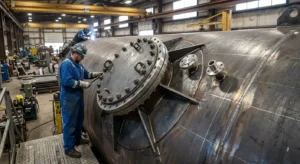
Which Nozzles Simplify Maintenance on Pressure Vessels?
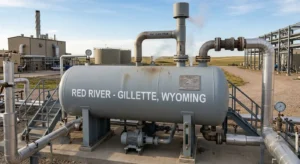
How to Vent Condensate Tanks in Steam Systems